
A Deep Technical Assessment of the Ultimate Titanium Regulator
If you're a dedicated scuba diver who spends significant time traveling to remote dive destinations, or if you simply appreciate the absolute pinnacle of engineering beneath the surface, you've likely looked at the atomic t3. Designed specifically for demanding recreational and technical divers who want the lightest, most corrosion-resistant breathing system on the market, this regulator uses structural Grade 5 titanium components to deliver effortless breathing performance at any depth. The single strongest benefit of this system is its sheer weight savings paired with a near-complete immunity to saltwater corrosion, making it a dream for air travel and harsh marine environments alike. If you have the budget to invest in a lifetime piece of life-support equipment, this regulator isn't just worth considering—it sets the benchmark by which all other systems are measured.
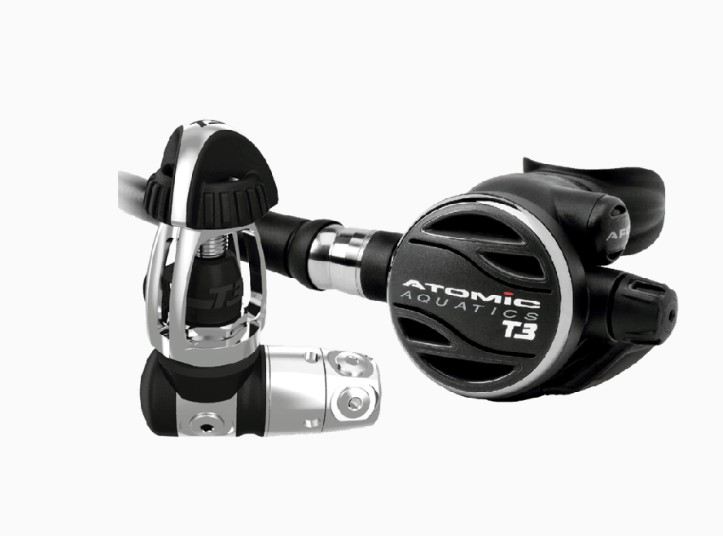
When you're packing your gear bag for a long-haul flight to Indonesia or the Red Sea, every single ounce matters. Standard brass regulators are heavy, bulky, and prone to internal oxidation if not meticulously rinsed after every single dip. The T3 Regulator addresses this exact pain point by stripping away excess weight without sacrificing structural integrity. It's a highly refined tool built for divers who prioritize comfort, reliable performance, and gear that lasts for decades rather than seasons.
Why Titanium Matters in Underwater Life Support
To understand why this system commands its price, we need to talk about metallurgy. Most regulators are crafted from chrome-plated brass. While brass is easy to machine and relatively inexpensive, it's heavy and will eventually succumb to corrosion once the thin chrome plating wears or scratches. Titanium, on the other hand, is roughly 45% lighter than brass and completely impervious to the corrosive action of saltwater.
Atomic Aquatics doesn't just use titanium as an accent; they machine the entire first and second-stage metal components from solid bar-stock titanium. This means you don't have to worry about galvanic corrosion, pitting, or rust forming inside your critical air pathways. When you hold the first stage in your hand, the weight difference is immediate and surprising. It feels like a mock-up shell, yet it handles high-pressure cylinder gas with absolute safety.
In addition to weight, titanium's structural strength allows for thinner wall dimensions in the regulator body, which translates to a more compact profile. For travel, this means less drag in the water and more room in your carry-on luggage for other essentials like your dive computer and mask.
First Stage Design: Balanced Piston and Environmental Protection
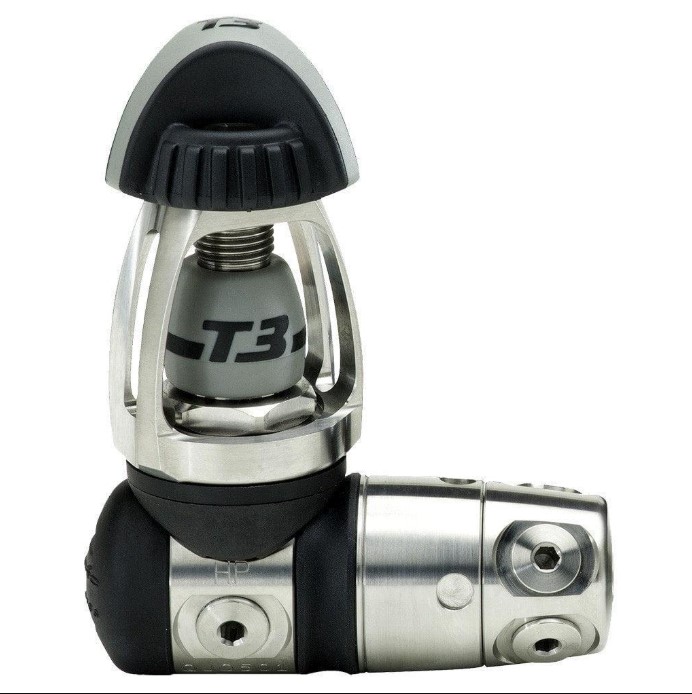
At the heart of the first stage is a highly balanced flow-through piston design. Piston first stages are favored by deep divers because they can supply massive amounts of gas even at low cylinder pressures. Unlike diaphragm designs which can have more moving parts, a balanced piston offers a direct, ultra-fast response to your inhalation.
According to the Official Manual, the first stage utilizes a unique high-pressure piston seal system that minimizes friction and wear. This design ensures that the intermediate pressure remains incredibly stable throughout your dive, regardless of whether you're at 3,000 PSI or down to your safety reserve.
Cold Water Operations Note: Based on the available information in the technical documentation, the standard titanium first stage is factory sealed to prevent water and silt from entering the spring chamber. This environmental sealing kit uses Christo-Lube lubricant to protect against freezing in cold water, though titanium's thermal properties mean it is primarily optimized for water temperatures above 38°F (3°C).
The routing options on this first stage are excellent for both recreational and light technical configurations. It features a high-flow swivel turret with five low-pressure (LP) ports and two high-pressure (HP) ports. The fifth port, located at the very end of the turret, allows for streamlined hose routing whether you prefer a traditional recreational setup or a long-hose technical configuration. The swivel turret rotates smoothly under pressure, reducing hose pulling against your head when you look from side to side.
Second Stage Sophistication: Comfort and Innovation
The second stage is where you directly experience the engineering of this regulator. It's incredibly light in the mouth, which almost completely eliminates the jaw fatigue that typically sets in after forty minutes of biting down on a heavy mouthpiece. This lightweight feel is achieved by using a titanium air barrel, titanium lever, and a titanium orifice inside a rugged, impact-resistant composite housing.
One of the standout features of the second stage is the patented Automatic Flow Control (AFC). In standard regulators, you have to manually adjust a venturi lever when you surface or jump into the water to prevent the regulator from free-flowing. The AFC eliminates this chore. It uses a pressure-sensitive diaphragm that automatically adjusts the aerodynamic flow inside the chamber based on your depth. At the surface, it restricts flow to prevent free-flow; at depth, it opens up to give you unrestricted, smooth airflow without you ever having to think about it. For those who still want manual control, there is a small external adjustment knob to fine-tune the breathing resistance to your personal preference.
Another brilliant piece of engineering is the Seat Saving Orifice. In traditional regulators, the low-pressure seat is constantly pressed against the sharp metal orifice when the regulator is stored, which creates a deep groove over time and leads to annoying leaks. Atomic's design only allows the seat to touch the orifice when the system is pressurized with air. When you depressurize your tank, the seat automatically retracts, preserving the integrity of the rubber seal and significantly extending the time between required services.
Real-World Dive Performance
Breathed side-by-side with other high-end regulators, the difference is noticeable. The inhalation effort is nearly non-existent. Whether you're hanging out on a shallow reef flat at 15 feet or exploring a deep wall at 130 feet, the regulator delivers air smoothly and quietly without any wetness or whistling. The exhaust tee is wide enough to sweep bubbles away from your face, which is incredibly useful if you're trying to take photos or record video under water.
The comfort swivel on the hose is another feature you'll quickly grow to love. It's a high-precision titanium joint that allows the hose to rotate 30 degrees in any direction. This prevents the hose from binding or pushing against your cheek when you turn your head, making the second stage feel almost weightless in your mouth.
Unparalleled Maintenance and Warranty Terms
While the initial purchase price is high, the long-term cost of ownership is surprisingly low due to Atomic's industry-leading service interval. Most manufacturers require you to service your regulator every single year to maintain your warranty. The atomic t3, however, features a 3-year or 300-dive service interval.
This means you can go three full years of diving before you need to take it to an authorized technician for a rebuild. Over a ten-year period, you'll save hundreds of dollars on service labor and parts kits, which helps offset the premium price you pay upfront. Furthermore, Atomic backs this regulator with a limited lifetime warranty that is not dependent on showing annual service records, giving you absolute peace of mind.
What the Diving Community Says
If you head over to the Reddit Discussion, you'll see experienced divers frequently comparing the T3 to the B2 (which uses a brass first stage and a titanium second stage). The consensus among the community is clear: if you dive locally and don't fly often, the B2 is a fantastic, more economical choice. However, for those who travel extensively or simply want the absolute best engineering available with zero compromise, the T3 is the undisputed king. Divers on the forum point out that the weight savings in your luggage alone can save you from paying oversize or overweight baggage fees on international flights, eventually paying for the price difference over time.
Many long-time owners also mention that their Atomic regulators still look and perform like new after hundreds of dives, with some reporting over a decade of flawless service without any signs of metal degradation. The reliability of the titanium parts means fewer trips to the dive shop for unexpected leaks or tune-ups right before a big trip.
Detailed Video Review and Unboxing
To get a better visual sense of the machining quality and see how the swivel turret and adjustment knobs function in real-time, take a look at this detailed review:
Technical Specifications
Below are the official specifications for the regulator system, compiled directly from the manufacturer's technical data:
| Feature | Specification Details |
|---|---|
| First Stage Material | Solid Precision-Machined Titanium Bar-stock |
| Second Stage Material | Titanium Air Barrel, Orifice, Lever, and Comfort Swivel |
| First Stage Type | Balanced Flow-Through Piston |
| Port Configuration | 5 LP Ports (on Swivel Turret), 2 HP Ports |
| Service Interval | 3 Years or 300 Dives (whichever comes first) |
| Nitrox Compatibility | Factory cleared for up to 40% oxygen out of the box |
| Weight (Yoke Connection) | Approx. 1.7 lbs (770 grams) - first & second stage combined |
| Seat Saving Orifice | Yes, patented design extends seat life |
| Automatic Flow Control (AFC) | Yes, depth-compensating aerodynamic adjustment |
Pros and Cons
Pros:
- Incredibly Lightweight: Makes travel a breeze and eliminates jaw fatigue during long dives.
- Total Corrosion Resistance: Machined from solid titanium, meaning it won't rust or pit even when exposed to harsh saltwater environments for extended periods.
- Effortless Breathing: Balanced piston first stage combined with an automatic venturi second stage delivers exceptionally smooth airflow at any depth.
- Extended Service Interval: Only requires servicing once every three years or 300 dives, saving you money and hassle.
- Elegant Hose Routing: The five-port low-pressure turret allows for clean, streamlined hose management.
Cons:
- Premium Cost: The high-quality titanium construction makes this one of the most expensive regulators on the market.
- Cold Water Limitations: While sealed, solid titanium has different thermal properties than brass, making it less ideal for extreme ice-diving applications compared to dedicated cold-water brass regulators.
Buying Experience and Customer Support
When you're investing in a top-tier piece of dive gear, where you buy it matters just as much as what you buy. Purchasing from an authorized dealer like Dive Right in Scuba ensures that your purchase is fully secure and backed by a genuine manufacturer warranty. You also get access to their top-rated support team if you ever have questions about setup, configuration, or long-term maintenance.
Dive Right in Scuba maintains an exceptional reputation on Trustpilot. Customers consistently praise their incredibly fast shipping, deep technical knowledge of scuba equipment, and hassle-free return policies.
Before making your purchase, you can review the official Shipping Policy to see delivery estimates for your area, as well as their excellent Warranty Policy coverage details. If you'd prefer to spread out the cost of this premium investment over time, they also provide flexible payment plans which you can review on their Payment Methods Page.
If you have any questions about choosing between the DIN or Yoke version of the T3 Regulator, or if you need assistance configuring your hoses, you can reach out directly to their knowledgeable staff through their Customer Support Contact Page.
Frequently Asked Questions
Should I choose the DIN or Yoke connection?
If you're buying a premium regulator of this caliber, we highly recommend choosing the DIN version. DIN connections screw directly into the tank valve, which is inherently safer at high pressures and less prone to O-ring failures. It's also the standard across most of Europe and technical diving communities. If you travel to destinations that only offer Yoke valves, you can easily screw a lightweight spin-on Yoke adapter onto your DIN regulator.
Is the atomic t3 compatible with Nitrox?
Yes. Out of the box, the regulator is cleared for use with Nitrox mixtures containing up to 40% oxygen. If you plan to use oxygen mixtures greater than 40%, you must have the regulator cleaned and prepared specifically for oxygen service by a certified technician using oxygen-compatible lubricants.
Why does titanium cost so much more than brass?
Titanium is not inherently rare, but it is incredibly difficult to refine and machine. It requires specialized cutting tools, slower machining speeds, and vacuum environments to prevent the metal from reacting with oxygen during casting and welding. The manufacturing process is highly labor-intensive, which is why premium titanium dive gear commands a higher price tag.
Can I use different brand hoses with this regulator?
Yes, you can use standard low-pressure hoses, but you'll lose the benefits of the custom lightweight hose and titanium comfort swivel that come pre-installed. The factory hose is designed to complement the lightweight feel of the second stage, so we recommend sticking with the original Atomic components whenever possible.
The Verdict
If you're a recreational diver who only gets in the water once or twice a year during local lake trips, the atomic t3 is likely more regulator than you need. But if you're a passionate diver who demands the absolute best, travels frequently to exotic locations, and wants a piece of gear that will perform flawlessly for decades with minimal maintenance, this is the finest regulator money can buy. Its effortless breathing, robust titanium construction, and long service intervals make it an investment that pays dividends in comfort, safety, and peace of mind on every single dive.

0 Comments