
The Harsh Reality of Extreme Cold-Water Diving
When you're hovering at 110 feet in a dark, flooded quarry with water temperatures hovering at a bone-chilling 36°F (2°C), your regulator isn't just a piece of dive gear. It's your lifeline. In these conditions, standard regulators face a massive physical hurdle: the physics of expanding gas. As high-pressure air from your cylinder drops to intermediate pressure inside the first stage, the temperature of the gas drops rapidly. This phenomenon, known as the Joule-Thomson effect, can easily freeze any ambient water inside the regulator, locking the internal valves open and causing a sudden, catastrophic freeflow.
The Apeks MTX-RC DIN regulator is a military-grade, extreme cold-water breathing system engineered for technical and demanding recreational divers who refuse to let freezing temperatures compromise their safety. Its standout benefit is its legendary freeze-resistant design, originally developed to pass the grueling United States Navy Experimental Dive Unit (NEDU) testing, paired with customizable inhalation controls. If you dive in cold quarries, under ice, or simply want an indestructible life-support system that breathes flawlessly at any depth, this regulator is absolutely worth the investment.
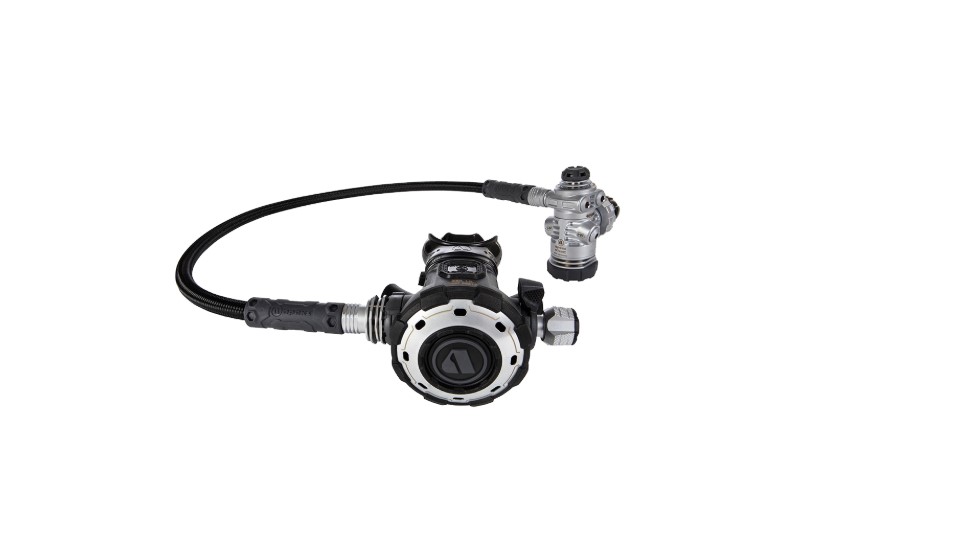
Secure checkout on Dive Right In Scuba's official website. Your special discount is automatically applied via this link.
Understanding the DNA of the Apeks MTX-RC
To truly understand what makes this regulator stand out, we have to look at its heritage. Apeks, based in Blackburn, England, has spent decades manufacturing equipment designed specifically for the dark, cold, and challenging waters of the British Isles. The MTX-RC is the evolution of the MTX-R, a model originally built to meet the ultra-strict specifications of the United States Navy Experimental Dive Unit (NEDU).
The "RC" in the name stands for "Receiver Control" or "Regulator Control," which signals the introduction of manual adjustments. While the original military-spec MTX-R was completely factory-preset to prevent divers from accidentally causing a freeflow in extreme conditions, civilian technical and advanced recreational divers wanted the ability to fine-tune their breathing resistance. The MTX-RC gives you the best of both worlds: the rugged, freeze-resistant construction of a military regulator with the micro-adjustments of a traditional high-end recreational system.
The Over-Balanced Diaphragm First Stage
At the heart of this system is the forged, satin-plated first stage. Unlike traditional balanced regulators, the first stage of this unit is over-balanced. As you descend deeper into the water column, the pressure of the gas inside the low-pressure hose increases at a rate faster than the ambient surrounding pressure.
This physical design compensates for the natural increase in gas density at depth. When you breathe air at 130 feet, the gas is four times denser than it is at the surface, making it mechanically harder to pull through your hoses. The over-balanced design forces more gas down the line, neutralizing that dense feeling and keeping your inhalation effort exceptionally low, regardless of how deep you go.
The Dry Environmental Seal System
Traditional regulators allow ambient water to enter the main spring chamber of the first stage to transmit surrounding pressure to the internal diaphragm. In sub-freezing water, this wet system is a prime point of failure. If ice crystals form around the main spring, the spring can freeze in place, keeping the valve open and sending a torrent of cold gas through your second stage.
The first stage solves this with a dry environmental sealing chamber. The internal moving parts are completely isolated from the cold surrounding water by a flexible external diaphragm. This dry chamber is packed with air, ensuring that no water ever makes contact with the high-pressure spring. This design also serves a dual purpose for divers who explore silt-heavy caves, wrecks, or muddy quarries: it keeps out fine particles of sediment that could otherwise cause internal wear and premature component failure.
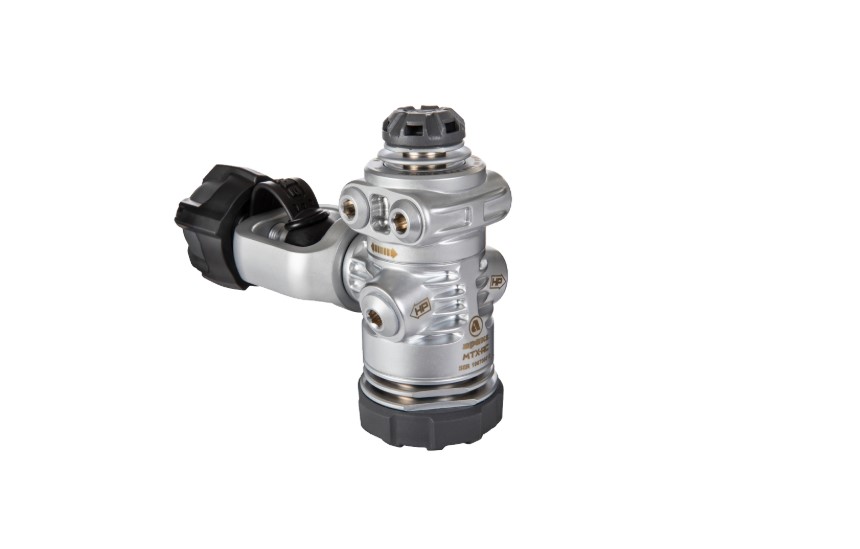
An In-Depth Look at the Second Stage
The second stage of this regulator is built like a tank. It features a heavy-duty, high-impact over-molded cover that protects the internal mechanisms from aggressive bumps against rocky cave ceilings, metal wreck hatches, or the rough deck of a dive boat. The front cover is reinforced with a forged brass plate, which serves a critical thermodynamic function.
Thermodynamic Heat Exchangers
One of the key engineering solutions used to combat freezing is the integration of large metallic heat exchangers. You'll find these where the low-pressure hose connects to the second stage body, as well as on the front of the casing. These brass components act as heat radiators.
Even in water that feels incredibly cold to a human (say, 34°F or 1°C), that water is still significantly warmer than the expanding gas inside your regulator, which can plunge far below freezing. The heat exchangers draw ambient warmth from the surrounding water and conduct it directly into the cold gas stream, warming the internal components and preventing ice crystals from adhering to the delicate demand valve lever and spring.
Customizable Inhalation Control
The standout feature that separates this model from its predecessor is the dual-control adjustment assembly. On the side of the second stage, you'll find a large, knurled inhalation resistance adjustment knob and a venturi control lever. These controls are designed to be easily manipulated even when wearing thick drysuit gloves or 7mm neoprene mitts.
- Inhalation Resistance Knob: This knob adjusts the spring tension on the internal poppet valve. When you are swimming against a heavy current or using a diver propulsion vehicle (DPV), water pressure against the front purge cover can cause the diaphragm to depress slightly, leading to gas leakage. By turning this knob clockwise, you can increase the cracking pressure (the effort required to start the breath), keeping your gas secure. When you're relaxed and at depth, backing the knob off counterclockwise gives you an incredibly effortless, natural breath.
- Venturi Lever: The venturi control alters the internal flow path of the gas. In the "Pre-Dive" position, the air is directed to hit the internal face of the diaphragm, helping to push it back and stop a freeflow if you drop the regulator into the water at the surface. Once you dive, flipping the lever to the "Dive" position directs the gas straight toward your mouthpiece, creating a low-pressure pocket behind the diaphragm that assists your breathing. This reduces the work of breathing (WOB) to almost zero.
Is the MTX-RC Overkill for Recreational Divers?
This is one of the most common questions asked in the dive community. In fact, if you browse through the active Reddit discussion on the MTX-RC, you will see real-world divers debating whether this heavy-duty setup is too much for standard recreational use. The consensus among experienced divers is clear: while it is built for extreme technical applications, its ease of breathing and sheer durability make it an incredible investment for any diver.
Think of it like buying an off-road utility vehicle for your daily commute. Sure, you might not use its rock-crawling capabilities every day, but the build quality, reliability, and peace of mind you get from knowing your equipment can handle conditions five times worse than what you are actually putting it through is incredibly valuable. If you plan on sticking strictly to shallow, warm-water Caribbean reefs, you might find the physical weight of this regulator a bit heavy for travel. But if you have any plans to explore cold lakes, quarries, deep wrecks, or eventually transition into technical or drysuit diving, buying this system once means you'll never need to upgrade again.
Detailed Technical Specifications
Let's look at the hard data. When evaluating high-pressure life support gear, you need verified specifications rather than marketing speak. Below is a comprehensive breakdown of the technical elements of this regulator, compiled directly from the engineering specs and the Official Apeks Regulator Manual.
| Specification | Value / Detail |
|---|---|
| First Stage Type | Over-balanced diaphragm design, environmentally sealed |
| Body Material | Forged brass with a protective, low-glare satin chrome finish |
| High Pressure (HP) Ports | 2 ports (7/16" UNF), angled downward for optimal hose or transmitter routing |
| Low Pressure (LP) Ports | 5 ports (3/8" UNF) total. 4 located on a rotating turret, 1 axial port |
| Cold Water Use | Yes, fully certified for water temperatures below 39°F (4°C) |
| Nitrox Compatibility | Up to 40% O2 out of the box (recreational limits) |
| First Stage Weight (DIN) | Approximately 755 grams (1.66 lbs) |
| Second Stage Weight | Approximately 288 grams (0.63 lbs) including controls |
| Hose Type | Braided flex hose for improved durability and reduced jaw fatigue |
Unboxing the Hose Routing Potential
One of the biggest design successes of this first stage is the layout of its ports. For technical diving, backmount doubles, side-mount configurations, or even just clean single-tank recreational setups, hose routing can make or break your comfort and streamlining in the water.
The first stage features a rotating turret that houses four of its low-pressure ports. This means your low-pressure hoses can rotate freely as you move your head, preventing the second stage from pulling on your jaw. The fifth low-pressure port is positioned axially at the very end of the turret. This port is perfect for a drysuit inflation hose on backmount doubles or a clean long-hose routing for technical diving. Because the ports are angled, the hoses sit incredibly close to your cylinders, reducing your profile and minimizing the risk of snagging on fishing line, rust, or rock projections.
The two high-pressure ports are also angled downward. This is incredibly helpful if you use a wireless air integration transmitter. On standard first stages with straight-out ports, a transmitter can stick out like an antenna, making it vulnerable to breaking if your tank slips in the rack or if you bump a low overhang. On this model, the transmitter tucks in cleanly parallel to your cylinder, keeping it safe from impacts.
Real-World Performance: In the Water
Breathing from this regulator at depth is a distinct experience. In dry, technical diving environments or in simple, cold freshwater quarry conditions, the gas delivery is exceptionally smooth. Thanks to the pneumatically balanced second stage and the over-balanced first stage, you do not feel that "cracking" resistance common in cheaper regulators. When you draw a breath, the air is simply there, flowing naturally with no hesitation.
The exhaust tee is also worth noting. It is wider than standard exhaust tees, which helps deflect exhalation bubbles away from your eyes and ears. This is a massive benefit for underwater photographers and videographers who need a clear field of view, as well as for technical divers who need to maintain constant visual contact with their team or their dive computer. If you prefer a more compact setup for travel, the regulator actually comes with interchangeable smaller exhaust tees in the box, allowing you to quickly customize its profile.
Watch the In-Depth Visual Breakdown
To see how this regulator handles extreme testing conditions and to get a closer look at its internal machining, watch this comprehensive video overview:
Pros and Cons: A Balanced Analysis
No piece of dive gear is absolutely perfect for every single diver or environment. While this regulator is a masterpiece of cold-water engineering, it has trade-offs that you should carefully consider before making your purchase.
The Advantages (What We Love)
- Unparalleled Freeze Protection: The combination of the dry environmental seal, over-molding, and massive metal heat exchangers makes it practically immune to cold-water freeflows when properly maintained.
- Incredible Hose Routing: The rotating turret with five low-pressure ports and angled high-pressure ports allows for incredibly clean hose management on any tank configuration.
- Highly Adjustable: The dual controls (venturi and inhalation knob) let you customize your breathing resistance on the fly, preventing freeflows at the surface and reducing breathing effort at depth.
- Military-Grade Build Quality: High-impact bumper materials, forged metals, and a satin chrome finish mean this regulator can take a beating that would crack or scratch other high-end models.
The Disadvantages (The Trade-offs)
- Weight: Because of its robust metal construction and extensive protection, it is noticeably heavier than carbon or lightweight travel regulators. If you are trying to stay under strict airline luggage weight limits, this is a factor to consider.
- Jaw Fatigue: Due to the physical weight of the second stage, some divers may experience jaw fatigue on long, multi-hour dives, though the high-quality braided flex hose and comfortable Comfo-Bite mouthpiece help mitigate this significantly.
- Cost: This is a premium investment. While it will last a lifetime if cared for, the upfront cost is higher than standard recreational regulators.
Buying Trust: Why Your Retailer Matters
When you are buying life-support equipment online, where you purchase is just as important as what you purchase. Authorized dealers like Dive Right In Scuba provide critical support that you simply cannot get from gray-market sellers or unauthorized storefronts.
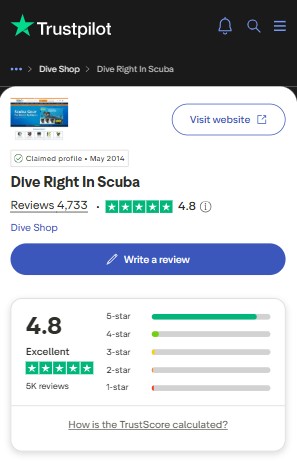
First and foremost, buying through an authorized channel ensures that your full manufacturer's warranty is valid. Dive Right In Scuba is highly regarded in the dive community for their exceptional support, which is reflected in their stellar Trustpilot customer reviews. They don't just ship boxes; they are an active dive shop staffed by active instructors, technical divers, and certified service technicians who understand this equipment inside and out.
Additionally, shipping high-end regulator systems requires careful packaging and reliable handling. You can review their fast shipping options and transit policies on the official Dive Right In Scuba Shipping Policy page. They also offer flexible financing and payment options to help manage the investment cost of your technical gear, which you can read about on their Pricing and Payment Plans page.
If you ever have technical questions about setting up your low-pressure hoses, mounting a transmitter, or configuring your regulator for doubles or sidemount, you can reach out directly to their knowledgeable staff via the Dive Right In Scuba Contact Page.
Maintenance, Care, and Longevity
If you take care of this regulator, it will easily outlast your diving career. However, high-performance equipment requires disciplined maintenance. Saltwater, chlorine, and fine sand are the natural enemies of any regulator.
Post-Dive Care Routine
After every day of diving, you must thoroughly rinse your regulator system. Follow these steps to ensure you don't accidentally damage the internal components during cleaning:
- Keep the Dust Cap On: Before the regulator gets anywhere near freshwater, ensure the DIN dust cap is completely dry and screwed tightly into place. If you get water inside the first-stage inlet filter, it can migrate into the high-pressure chamber, causing corrosion and damaging the internal HP seat.
- Rinse, Don't Soak: Rinse the first stage in clean, warm freshwater. If you soak the second stage, do not press the purge button while it is submerged unless the system is pressurized on a cylinder. Pressing the purge button opens the internal valve, allowing water to flow backward up the low-pressure hose and into the first stage.
- Dry Thoroughly: Let the regulator air dry in a cool, shaded area away from direct sunlight and high heat sources. UV rays can degrade the flexible hose materials and the silicone mouthpiece over time.
Professional Servicing Intervals
According to the official manual, your Apeks regulator should receive a professional inspection annually, with a complete overhaul and parts replacement every two years. This service must be performed by an authorized service center with the correct specialized tools and original Apeks service kits. Attempting to service the regulator yourself not only voids the warranty but can easily lead to catastrophic failure underwater due to incorrect torque settings on the internal components.
For more details on warranty terms, parts replacement programs, and service guidelines, refer to the Dive Right In Scuba Warranty and Support Information.
The Verdict: Is It Right For You?
The Apeks MTX-RC is not a budget regulator, and it doesn't pretend to be. It is an unapologetic, heavy-duty breathing machine designed to perform flawlessly in the most hostile underwater environments on Earth. For technical divers, cold-water explorers, and serious recreational divers who demand the absolute best in safety and build quality, it is one of the finest systems money can buy.
If you are ready to make a serious commitment to your underwater safety and comfort, this regulator will not disappoint you. With its extreme cold-water performance, customizable breathing controls, and bulletproof construction, it is a piece of gear you can rely on for thousands of dives to come.

0 Comments