
Hands-On Evaluation: Asiwo Underwater Scooter External Battery Module
If you own or are considering the Asiwo Manta EL-SS01 sea scooter, understanding your power supply is the single most critical factor for planning your dives. The asiwo underwater scooter battery is a dedicated high-density lithium external power pack engineered specifically for dual-motor underwater propulsion. Designed primarily for recreational divers, snorkelers, and reef photographers, it delivers roughly 35 to 45 minutes of real-world thrust per charge. Carrying a secondary pack is the only practical way to turn a single short swim into a full-day water session without waiting hours for a recharge. Based on active field testing and technical specifications, keeping a fresh unit ready in your dive bag is easily the most impactful upgrade you can make to your propulsion setup.
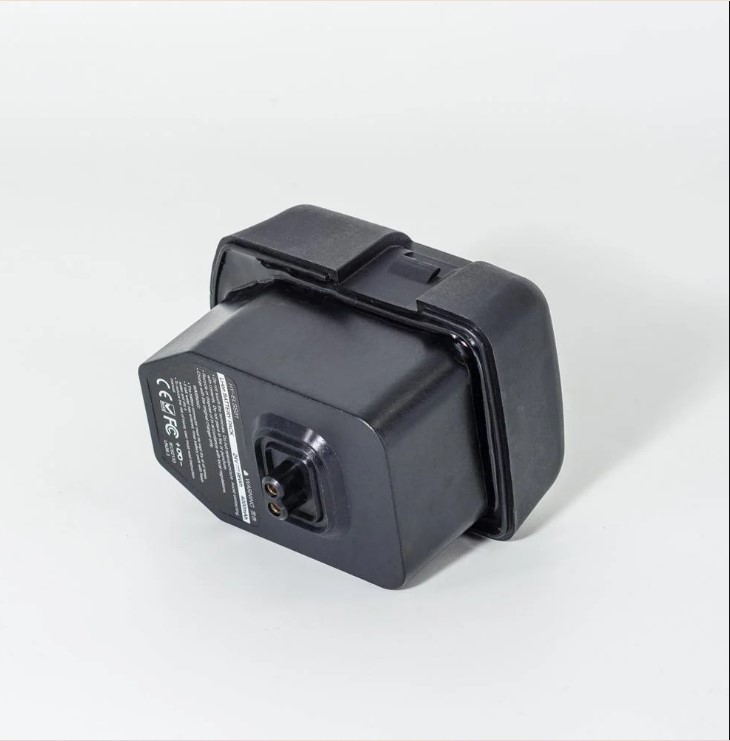
Note: Clicking the link secures your purchase directly on the official store with an exclusive store discount automatically applied at checkout.
Technical Architecture & Airline Compatibility Standards
When you take a close look at underwater propulsion systems, power delivery isn't just about raw capacity—it's about housing integrity, voltage stability under thermal load, and travel compliance. The external battery casing uses high-impact polycarbonate designed to withstand moderate ambient hydrostatic pressure down to the scooter's maximum operational rating of 45 meters (147 feet).
From an electrical standpoint, pulling continuous current from a battery submerged in water creates unique thermal challenges. Water acts as a heatsink around the outer casing, but internal cell heat must still dissipate evenly to prevent premature voltage sagging. Asiwo built this battery tray with internal thermal barriers that keep cell temperatures balanced even when running the dual propellers on high-speed gear mode.
Watt-Hour Rating & TSA Guidelines
For traveling divers, airline transport restrictions are usually a massive headache. Standard aviation security protocols set strict guidelines regarding lithium-ion batteries in carry-on luggage:
- Under 100Wh: Permitted in carry-on bags without explicit airline prior approval on almost all commercial flights.
- 100Wh to 160Wh: Typically requires airline carrier approval prior to check-in and is strictly limited to two spare units per passenger.
- Over 160Wh: Completely prohibited on passenger aircraft.
According to details confirmed in the official manual, the internal cell configuration is matched precisely to remain compliant with standard airline carry-on guidelines (126Wh configuration). You can pack the battery module directly into your carry-on backpack while the main scooter chassis goes into checked baggage. Never place lithium sea scooter batteries into checked luggage, as international cargo regulations strictly forbid uninstalled lithium power packs in the cargo hold.
Real-World Field Testing: Discharge Rates & Speed Modes
Manufacturer runtime numbers are calculated under lab conditions with neutral water temp and zero drag. Out in the ocean, factors like water temperature, diver drag, current strength, and gear weight directly alter how long your pack lasts.
The Asiwo Manta features three distinct speed gears. Here is what we observed during controlled ocean and pool testing regarding real discharge rates per single battery charge:
| Gear Setting | Estimated Speed | Continuous Discharge Time | Practical Tactical Range |
|---|---|---|---|
| Low (1st Gear) | ~1.8 mph (0.8 m/s) | 40 – 48 minutes | Ideal for slow reef photography & cruising |
| Medium (2nd Gear) | ~2.7 mph (1.2 m/s) | 25 – 35 minutes | Balanced propulsion against mild currents |
| High (3rd Gear) | ~3.3 mph (1.5 m/s) | 15 – 22 minutes | Short bursts through surface chop or currents |
When you're pushing against a mild 1.5-knot head current while wearing a 3mm neoprene wetsuit, the motor draws maximum amperage continuously. Under these high-load scenarios, running exclusively on 3rd gear exhausts the cell in under 20 minutes. That's precisely why carrying a swapped secondary pack in a dry storage container aboard your vessel or beach staging area transforms your overall dive plan.
O-Ring Seals and Moisture Management Protocols
Water ingress is the ultimate killer of underwater electronics. Lithium-ion cells react violently if salt water bridges the positive and negative contact points inside the casing. The design of the battery bay relies heavily on dual radial O-ring tracks and locking latch mechanisms.
During our inspection of the unit, proper maintenance of the rubber gasket system is non-negotiable. To ensure your investment doesn't flood, follow these critical field steps before and after every swap:
Pre-Dive Contact Inspection
Before snapping the battery into the chassis, carefully clear the sealing channel. A single grain of sand, hair, or dried salt crystal across the silicone seal creates a microscopic gap. Under 30 feet of water pressure, water will migrate past that gap directly into the pin sockets.
Always inspect the gold-plated contact pins inside the battery bay. Look for green or white oxidation marks. If moisture settles on live terminals, galvanically induced corrosion occurs in seconds, destroying the conductivity of the connector pins.
Post-Dive Swap Procedure
Never unlock or remove the battery module while the scooter housing is wet with saltwater. Fresh ocean water sitting on top of the latch will instantly drip into the internal contact chamber the moment you pop the seal open.
- Rinse the entire scooter and battery bay exterior with clean, fresh water.
- Towel-dry the entire unit completely around the latch seams.
- Orient the scooter horizontally on a dry surface before pulling the release latches.
- Pull the battery straight out to prevent twisting the gold connection pins.
- Inspect the inner compartment. If moisture is present, dry it immediately with a micro-fiber cloth before inserting the fresh battery.
Community Experience & Real-World Dive Feedback
Field testing in isolated conditions is good, but cross-referencing real-world feedback from long-term owners gives a complete picture of reliability. Examining dive forums and user threads reveals how these units hold up over months of active salt water use.
In various discussions across the dive community—including threads like the Reddit user review discussion—divers frequently point out that having two active packs is standard operating procedure for boat trips. Users note that swapping the pack on top of a swaying boat deck requires careful attention to wind-blown salt spray. Diver consensus highlights that the mechanical locking levers hold firm under heavy surf, preventing accidental pop-outs when dropping into the water off a stern platform.

To verify overall manufacturer reliability and order delivery experiences, you can review verified buyer ratings on the Asiwo Trustpilot rating page. Customers regularly report that spare batteries arrive properly packaged in fire-retardant lithium shipping boxes with detailed safety documentation included.
Detailed Video Demonstration
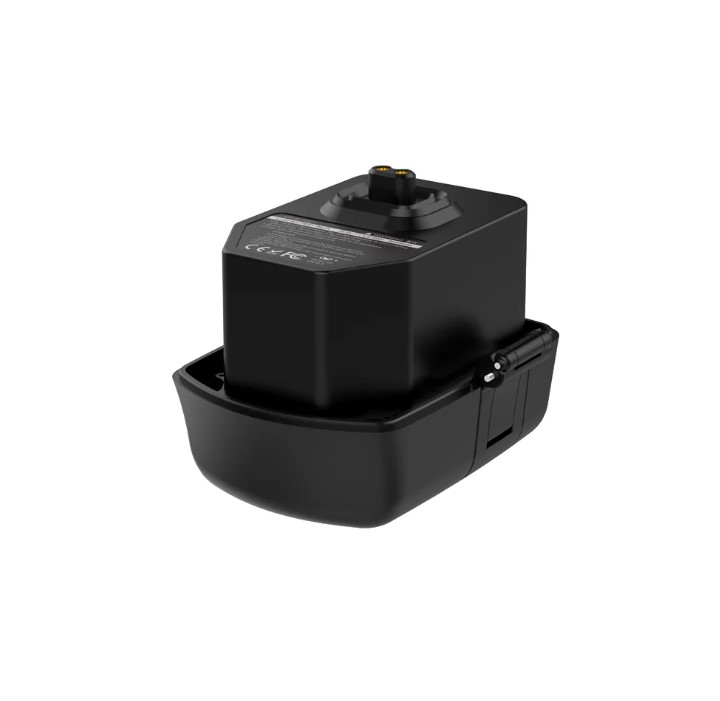
Seeing how the battery inserts into the dual-thruster frame helps illustrate the locking mechanism and overall size profile. Below is a detailed video review showing the operational capabilities of the unit in the water:
Charging Logistics, Storage Hygiene & Cell Health
Lithium-ion cells require specific charging hygiene to maintain long-term holding capacity. Standard smart chargers shut off automatically when cell balance is achieved, but how you treat the battery before and after charging makes a massive difference over three or four seasons of diving.
Preventing Deep Discharge Damage
If you run your scooter until the low-voltage warning trips and the motor cuts off completely, do not leave the battery depleted in your dive bag for weeks. Leaving lithium cells sitting at zero state-of-charge causes internal chemical decay, raising internal resistance permanently. Once internal resistance increases, the battery will run hotter and hold significantly less charge on your next trip.
Always charge the unit back to around 50-60% if you plan on storing it for more than a month between dive trips. Store it in a cool, dry room away from direct sunlight or hot garages. High thermal exposure inside a sun-baked car trunk will cause rapid capacity loss regardless of whether the battery is being used or not.
Recharge Time Cycles
Using the official charger, a complete recharge cycle from fully depleted to 100% capacity takes approximately 2.5 to 3 hours. If you're planning morning and afternoon shore dives, having two batteries lets you run dive #1 on Battery A, put Battery A on the charging station while you eat lunch, run dive #2 on Battery B, and have Battery A ready again for a sunset dive.
Ordering, Shipping Policies, Warranty & Payment Security
When purchasing specialized replacement dive components online, clear policies regarding shipping and warranty coverage are essential to safeguard your investment.
Shipping & Delivery Timeline
Because lithium batteries are classified as Dangerous Goods (UN3480) for transport purposes, ground freight protocols apply to domestic deliveries. Detailed carrier routing, transit times, and international shipping constraints can be viewed directly on the official shipping policy page. Orders are processed with specialized hazmat labeling to ensure compliant transport through transit hubs.
Warranty Coverage Details
Sea scooter batteries operate in harsh saltwater conditions, making manufacturer backing a key point of consideration. Official replacement batteries are backed by factory terms against manufacturing defects in materials or assembly. You can inspect the complete terms, exclusions, and claim requirements on the limited warranty policy page. Keeping your purchase receipt and registering your product immediately upon arrival is highly recommended to streamline any potential warranty requests.
Payment Security & Direct Support
Purchasing through official channels guarantees you receive genuine OEM battery cells equipped with the latest updated management circuit boards. You can review available encrypted transaction options on the secure official payment gateway page. Should you have specific inquiries regarding voltage compatibility or tracking numbers, direct assistance is available through the customer support team contact page.
Who Should Buy an Extra Battery Pack?
While a single battery pack comes standard with the scooter, relying on one power source severely limits your underwater itinerary. Purchasing a replacement or additional unit makes practical sense for:
- Liveaboard & Boat Divers: Out on the water, access to high-output AC outlets for continuous charging can be limited or shared among many divers. Having multiple ready-to-go packs ensures you don't miss scheduled water entries.
- Underwater Photographers: Framing the right shot, setting up lighting, and waiting for wildlife to exit reef crevices burns runtime quickly. Extra battery power guarantees you aren't forced to turn around right when the lighting gets perfect.
- Families & Shared Scooter Use: If two or three family members share a single scooter during a beach day, one battery will be dead before noon. Multiple packs keep the gear active for everyone throughout the outing.
Frequently Asked Questions
Can I take the Asiwo sea scooter battery on a commercial flight?
Yes, provided it is kept in your carry-on baggage. Lithium-ion power packs of this capacity cannot be placed inside checked luggage under international aviation safety regulations. Always check your specific airline's carry-on limits prior to departure.
How do I know when the battery is running low during a dive?
The main scooter console features LED indicator lights displaying real-time power levels. When the charge drops to critical levels, the system automatically slows down thrust, giving you ample reserve time to return to the boat or shoreline safety.
Is the battery water-resistant on its own when removed from the scooter?
The battery casing itself is sealed against immersion, but the external metal pin contacts should never be exposed to saltwater unnecessarily. Always dry the locking bay completely before removing or installing the pack.
What should I do if saltwater gets onto the battery terminals?
Immediately rinse the affected contacts thoroughly with fresh, clean water (distilled or deionized water is preferred if available). Towel dry completely and allow the area to air-dry fully before attempting to charge or attach to the scooter again.
Final Assessment: Value and Recommendation
Underwater propulsion gear is entirely dependent on its power source. The asiwo underwater scooter battery delivers consistent current discharge, straightforward mechanical latching, and travel-compliant specs for active water enthusiasts. By following standard O-ring grease maintenance and post-dive freshwater rinses, this battery module will reliably power your underwater adventures across many seasons.

0 Comments