
Why the Atomic Aquatics B2 Regulator Belongs on Your Next Dive
When you're hovering at ninety feet with a mild current pushing against your mask, the last thing you want to think about is your next breath. You want air to flow as easily and naturally as it does on the surface. That is where the atomic scuba regulator design comes into play. Specifically, the Atomic Aquatics B2 Regulator is a highly engineered, balanced piston system designed for recreational and technical divers who refuse to compromise on breathing effort or comfort. Its standout feature is a hybrid material layout: a robust, chrome-plated brass first stage paired with a lightweight, corrosion-proof titanium second stage. By placing titanium exactly where the mechanical action happens, this regulator delivers effortless inhalation, zero corrosion on critical moving parts, and a massive reduction in dry-mouth and jaw strain. If you are looking for a reliable, highly responsive breathing system that will last for decades of active diving, the B2 is absolutely worth your consideration.
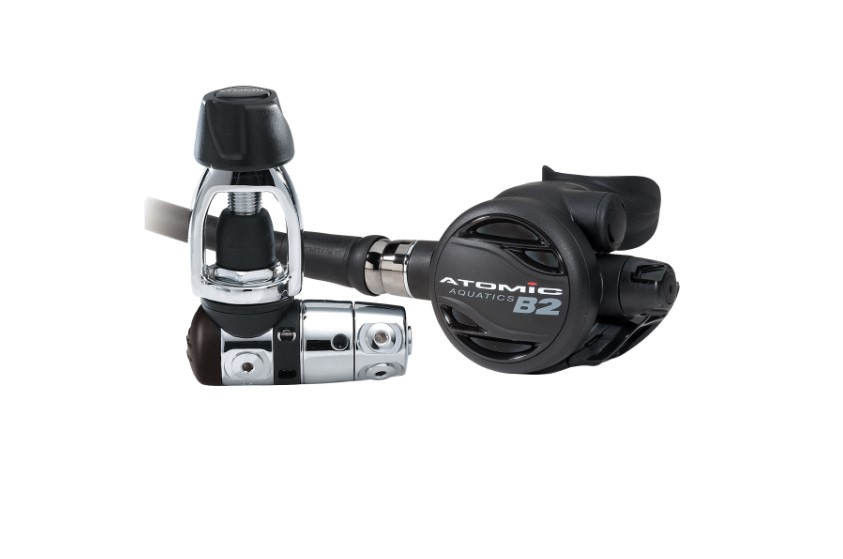
Having spent decades evaluating dive gear in all kinds of water—from chilly quarry training sites to the warm, salt-heavy currents of the Caribbean—I have learned that minor engineering choices have massive consequences underwater. A regulator isn't just a hose and some metal; it's your life support. In this deep dive, we will tear apart the engineering of the B2, analyze real-world user feedback, look at technical documentation, and help you decide if this classic regulator deserves a permanent spot in your dive bag.
The Anatomy of the B2 First Stage: Chrome-Plated Brass and Piston Performance
To understand why this regulator performs so well under pressure, we have to look at the first stage. Unlike diaphragm regulators that rely on a series of springs and a flexible rubber barrier to transfer pressure changes, the B2 uses a high-flow, balanced piston design. This piston is the only moving part in the first stage, directly exposing itself to ambient water pressure to balance the air delivery perfectly, regardless of how much gas is left in your cylinder.
The first stage body is machined from solid, chrome-plated brass. Some divers wonder why Atomic didn't make the entire system out of titanium. The answer comes down to cost and thermal mass. Brass is an incredibly durable, dense material that is highly resistant to physical impacts. It also holds onto heat much better than titanium, which is highly beneficial in cold-water environments where metal-to-ice freeze-ups can lead to dangerous free-flows. By keeping the first stage brass, Atomic provides a heavy-duty anchor that handles thermal transitions beautifully while keeping the retail price accessible.
For your hose routing, the B2 first stage is exceptionally convenient. It features a high-flow swiveling cap on the end, containing five low-pressure (LP) ports, alongside two high-pressure (HP) ports on the sides. This swiveling turret allows your hoses to lie flat against your body, reducing drag and keeping your gear stream-lined whether you're squeezing through a swim-through or simply trying to look clean in the water.
The Second Stage: Where Titanium Changes the Game
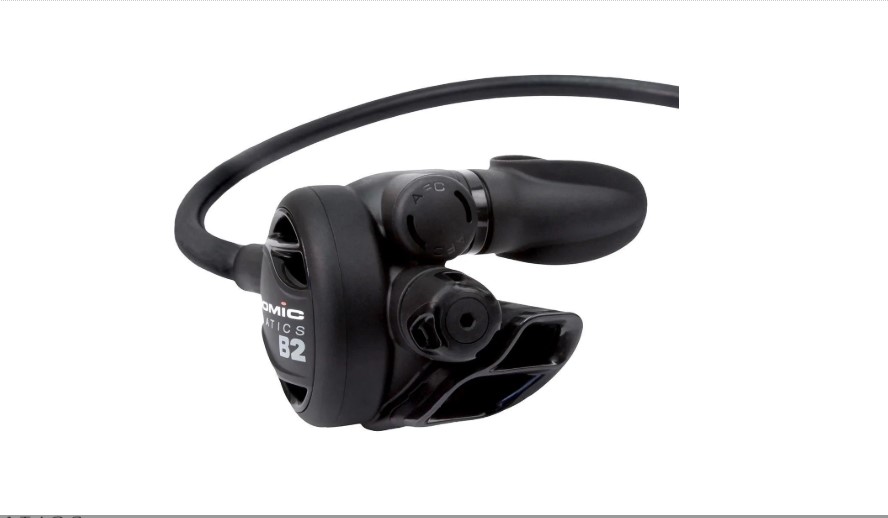
While the first stage is brass, the second stage is where the magic happens. The "B" in B2 stands for Brass, and the "2" indicates the second generation of their hybrid design. Every single internal mechanical component of the B2 second stage is machined from solid titanium. This includes the demand valve body, the lever, the air barrel, and the adjustment orifice. Why does this matter?
- Absolute Corrosion Resistance: Saltwater is highly destructive. Even with meticulous freshwater rinsing, chrome-plated brass parts inside a standard second stage will eventually develop green oxidation or scale over years of hard use. Titanium is completely immune to saltwater corrosion. It does not rust, pit, or oxidize, meaning the critical, fine-toleranced sealing surfaces inside your breathing valve stay as smooth as the day they left the factory.
- Incredible Weight Reduction: Titanium has one of the highest strength-to-weight ratios of any metal on Earth. By replacing heavy brass internals with titanium, the B2 second stage becomes incredibly light in your mouth. When you're diving for an hour or more, a heavy second stage constantly pulls down on your lower jaw. This forces you to bite down hard on the mouthpiece tab just to keep it in place, resulting in a dull ache in your temporomandibular joint (TMJ). The lightweight titanium construction of the B2 virtually eliminates this downward leverage.
- Structural Integrity: Unlike cheap plastic second-stage components that can crack or warp under extreme thermal shifts or impact, the titanium skeleton inside the B2 ensures that the breathing valve remains rigid, reliable, and perfectly aligned under all conditions.
The Science Behind the Comfort Swivel
If you ask any diver who uses an atomic scuba regulator what their favorite physical feature is, they won't talk about flow rates or piston displacement. They will talk about the Comfort Swivel. Standard regulator hoses are stiff. When you turn your head to look up, down, or over your shoulder to check on a buddy, that stiff rubber hose acts like a lever, trying to pry the regulator right out of your mouth. Your jaw muscles have to fight that lateral torque constantly during the dive.
Atomic solved this with their patented, polished stainless steel Comfort Swivel. Located right at the entry point of the hose into the second stage, this swivel allows 30 degrees of multi-directional rotation. When you turn your head, the hose bends and rotates freely without transferring any pulling force to the mouthpiece. It sounds like a simple feature, but in practice, it changes the entire feel of your dive. You can look anywhere without feeling like your regulator is trying to escape. The swivel mechanics are sealed with dual internal O-rings, ensuring dry, leak-free operation throughout your service cycle.
Automatic Flow Control (AFC) and the Seat-Saving Orifice
Two proprietary technical innovations set the B2 apart from almost every other second stage on the market. Both are fully detailed in the Official Atomic Regulator Manual, and they are critical to understanding how this system self-regulates.
1. Automatic Flow Control (AFC)
On most high-end regulators, you will find an adjustable knob on the side of the second stage. This knob allows you to manual restrict or increase the airflow by moving a small plastic wedge (a Venturi vane) inside the air barrel. When you descend deep, the air gets denser, and you have to manually adjust the knob to prevent the regulator from free-flowing or breathing too "hard."
The B2 does away with this manual tinkering through its Automatic Flow Control (AFC) system. Inside the second stage, a small, computer-designed foil automatically reacts to the velocity of the airflow and the ambient water depth. As you go deeper and the air density increases, the AFC foil automatically adjusts its position to maintain a consistent, ultra-low breathing resistance. You don't have to turn any knobs, flip any pre-dive switches, or think about flow dynamics. The regulator simply breathes exactly the same at 130 feet as it does during your shallow safety stop. It's a hands-free, set-it-and-forget-it breathing experience.
2. Patented Seat-Saving Orifice
In standard second-stage designs, the sharp metal sealing edge of the orifice is constantly pressed tightly against the soft silicone or rubber low-pressure seat by a heavy spring. This pressure remains constant even when the regulator is sitting in your closet for months during the off-season. Over time, that sharp metal edge cuts a deep, permanent groove into the rubber seat. This leads to intermediate pressure leaks, causing your second stage to slowly hiss or leak air when you turn your tank on.
Atomic's patented Seat-Saving Orifice solves this problem elegantly. When your tank is turned off and there is no air pressure in the system, a small internal spring mechanism automatically retracts the sharp titanium orifice away from the silicone seat. The second they are unpressurized, they stop touching. When you pressurize the regulator by opening your tank valve, the air pressure automatically pushes the orifice back into its sealing position. This simple mechanical action dramatically extends the lifespan of your second stage seat. It is the primary reason why Atomic is able to confidently specify a massive 2-year or 300-dive service interval, compared to the standard 1-year interval required by most other brands.
Community Perspectives: What Real Divers Say
To get a balanced, real-world perspective on how the B2 holds up over years of abuse, it is always helpful to look at the active dive community. A popular Reddit Discussion comparing the T3 and B2 regulators highlights some critical decision points for potential buyers.
In that discussion, experienced divers point out that while the top-of-the-line T3 model is made entirely of titanium (first and second stages), it is also incredibly expensive. Many technical and recreational divers on Reddit argue that the B2 represents the absolute "sweet spot" in the Atomic lineup. Since the first stage of the B2 is chrome-plated brass, it is slightly heavier than the T3 first stage, but it offers identical breathing performance and the exact same titanium second stage. For divers who aren't constantly flying internationally where every single ounce of luggage weight counts, the B2 delivers 95% of the benefits of the T3 at a significantly lower price point. Divers in the thread also praise the longevity of the B2, noting that even after hundreds of salt-water dives, the titanium internals show absolutely zero signs of wear or scale.
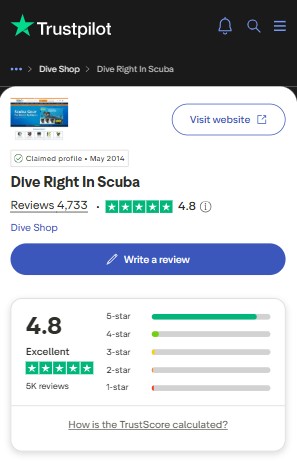
Additionally, let's look at the vendor servicing this equipment. If you buy through a trusted, highly rated retailer, you get an extra layer of security. On Trustpilot, buyers consistently praise the technical support and reliability of the team at Dive Right In Scuba. Their commitment to customer service is clear, as shown in this screenshot of their customer satisfaction ratings:
Video Performance Breakdown: The B2 in Action
To see how this regulator performs under physical stress, check out this comprehensive video review. It breaks down the internal flow paths, the swivel mechanism, and how the breathing resistance behaves under deep pressure simulations:
As highlighted in the video, the breathing performance of the B2 is incredibly smooth. The cracking pressure—the initial effort required to start the airflow—is remarkably low. Once the flow starts, it remains stable and quiet without any of the high-pitched whistling or honking sounds that can plague cheaper, unbalanced second stages. The wide exhaust tee also does a fantastic job of routing bubbles out and away from your face, keeping your field of view clean for photography or navigation.
Cold Water Performance: Warm Water vs. Cold Water Configurations
One critical consideration for any regulator purchase is the temperature of the water you intend to dive in. By default, balanced piston regulators are open to the surrounding water. Water enters the ambient chamber of the first stage to act directly on the piston. In extremely cold water (below 40°F / 4°C), this direct contact can cause the moisture inside the first stage to freeze around the main spring, locking the piston open and causing a high-volume free-flow.
If you plan to use your atomic scuba regulator in cold water, you should opt for the factory-installed environmental sealing kit. This kit fills the ambient chamber with a clean, high-viscosity silicone grease and seals it off with a flexible rubber boot. The ambient water pressure is transferred through the boot to the grease, and then to the piston, keeping the internal moving parts dry and free from ice formation. It also keeps out fine silt, sand, and organic matter, making it an excellent upgrade for wreck or cave divers who find themselves in dirty water.
For warm-water divers, leaving the regulator unsealed is perfectly fine. The open ambient chamber is easy to rinse and requires slightly less maintenance during your routine service cycles.
Purchase Policies and Buying Security
Investing in a high-end regulator is a big decision, so it helps to know what kind of logistical and financial support you have behind your purchase. When buying your B2 regulator through authorized channels, you can take advantage of several buyer-focused policies:
- Flexible Financing: High-end gear doesn't have to drain your bank account all at once. You can explore structured payment options via the Payment Methods and Price Match Policy page. This allows you to split the cost into manageable monthly installments while securing a price-match guarantee against authorized dealers.
- Fast and Secure Shipping: If you have an upcoming dive trip, you need your gear to arrive on time and fully assembled. Review the shipping rates, delivery timelines, and tracking details on the Shipping Policy page to ensure your regulator arrives well before you head out to the dive boat.
- Unmatched Lifetime Warranty: Atomic Aquatics offers a limited lifetime warranty on their regulators, provided you maintain the recommended service schedule. You can learn more about how lifetime warranties and technical support protect your investment on the Warranty Support page.
- Direct Access to Experts: If you have questions about DIN vs. Yoke connections, custom hose lengths, or cold-water environmental sealing, you can contact the technical team directly via the Customer Support Contact page.
Comparing the Atomic B2 to Industry Alternatives
To help you see how the B2 fits into the broader regulator market, let's compare it side-by-side with its close sibling, the T3, and a standard mid-range chrome-plated brass regulator.
| Feature / Spec | Atomic B2 Regulator | Atomic T3 Regulator | Standard Mid-Range Regulator |
|---|---|---|---|
| First Stage Material | Chrome-Plated Brass | Solid Titanium | Chrome-Plated Brass |
| Second Stage Internals | Solid Titanium | Solid Titanium | Chrome-Plated Brass or Plastic |
| Comfort Swivel Included? | Yes (Stainless Steel) | Yes (Titanium) | Rarely / Optional Upgrade |
| Flow Control (AFC) | Automatic | Automatic | Manual Adjustment Knob |
| Service Interval | 2 Years or 300 Dives | 3 Years or 300 Dives | 1 Year or 100 Dives |
| Weight (Yoke Connection) | 2.1 lbs (0.95 kg) | 1.7 lbs (0.77 kg) | 2.6 to 3.2 lbs (1.2 - 1.5 kg) |
As you can see, the B2 matches the top-tier T3 in terms of second-stage performance, automatic flow adjustments, and jaw-saving comfort features. The only major difference is the weight of the first stage, where the T3 saves you about 0.4 pounds by using titanium. For most divers, this small weight savings does not justify the massive price leap, making the B2 the smartest financial move in the lineup.
Maintenance and Long-Term Care: Keeping Your B2 Perfect
Even though the B2 is built like a tank and features a massive two-year service interval, proper post-dive care is essential to ensure it performs flawlessly when you need it. Follow this checklist after every dive day, especially in saltwater:
- Keep the Dust Cap On: Before rinsing your first stage, dry the inlet with a clean towel and seal it tightly with the protective dust cap. Never press the purge button on the second stage while the dust cap is off and the regulator is submerged, as this will force water backwards into the first stage high-pressure chamber.
- Soak in Warm Freshwater: If possible, fill a tub with warm, clean freshwater and let the entire regulator assembly soak for 15 to 20 minutes. This dissolves salt crystals that may have collected around the comfort swivel, the exhaust valve, and the first stage spring chamber.
- Rinse the Second Stage Mouthpiece: Run gentle freshwater directly through the mouthpiece, allowing it to drain out of the exhaust ports. Do not use high-pressure hoses, as this can bend or deform the internal titanium demand lever.
- Dry and Store Safely: Hang the regulator in a cool, shaded area away from direct sunlight. When storing it for the winter, avoid bending the hoses at sharp angles. Let them loop naturally to prevent internal rubber cracking.
By following these simple steps, you can easily reach the 2-year mark without experiencing intermediate pressure creep or breathing stiffness.
Final Verdict: Is the Atomic Aquatics B2 Right for You?
At the end of the day, your regulator is the single most important piece of diving equipment you will ever own. While you can rent wet-suits, BCDs, and fins at any dive shop on Earth, having your own high-performance, ultra-reliable regulator provides a level of comfort and safety that is hard to put a price on.
The Atomic Aquatics B2 regulator is not the cheapest option on the shelf, but it is one of the absolute best values in diving history. By combining a bulletproof brass first stage with a lightweight, corrosion-free titanium second stage, it delivers the breathing performance of a custom-built, ultra-premium regulator at a sensible price point. The Comfort Swivel completely eliminates jaw strain, while the Automatic Flow Control and Seat-Saving Orifice ensure that your regulator is always tuned perfectly and ready to breathe easily, dive after dive, year after year.
If you are ready to upgrade your diving experience, stop fighting stiff hoses, and enjoy effortless breathing on every single dive, the B2 is waiting. Secure your regulator with an automatic discount applied through the official store below.

0 Comments