
Understanding the Realities of Cold-Water Diving with the Bare Reactive 5mm
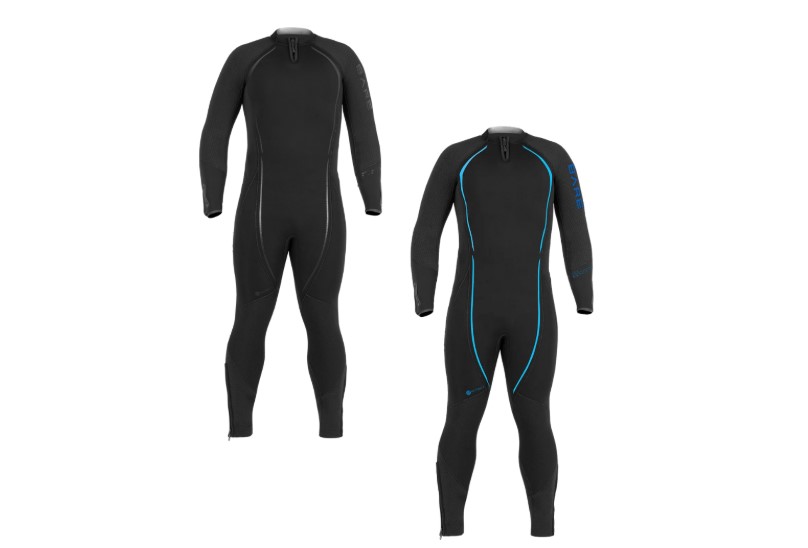
Finding the right bare 5mm wetsuit can completely transform your time in temperate waters. The Bare Reactive 5mm is designed specifically for recreational and professional divers seeking the absolute limit of thermal protection without resorting to a bulky drysuit. The primary benefit of this suit lies in its inner lining, which utilizes thermo-reactive minerals to recycle your body heat and convert it into usable thermal energy. If you are diving in conditions ranging from 60°F to 72°F (15°C to 22°C) and want to stop shivering during your safety stops, this wetsuit is absolutely worth considering as a long-term investment in your diving comfort.
The Science of Celliant Infrared Technology
Most traditional wetsuits work by trapping a thin layer of water between your skin and the neoprene. Your body heat warms this water, creating a barrier. While this is effective, it has a limit. Eventually, cold water from the outside flushes in, or your body simply runs out of energy to keep that water warm. This is where the bare 5mm wetsuit diverges from standard thermal protection designs.
The interior of the Reactive 5mm is lined with Celliant Infrared fabric. This material utilizes thirteen thermo-reactive minerals woven directly into the fabric's fibers. When you dive, your body radiates heat in the form of infrared energy. Instead of letting that heat escape through the neoprene into the surrounding water, the Celliant minerals absorb it and reflect it back into your muscle tissue and skin. This process promotes vasodilation, which increases local blood circulation. By improving blood flow, your body is able to distribute warmth more effectively to your extremities, keeping your hands and feet from feeling like blocks of ice during long bottom times.
What this means in practice is a noticeable reduction in physical fatigue. When your body doesn't have to work as hard to maintain its core temperature, you consume less air. Many divers notice a subtle but real improvement in their gas consumption rates simply because they aren't tensing up or shivering to stay warm.
Limestone Neoprene: Structural Superiority and Flexibility
The foundation of any high-quality exposure suit is the raw neoprene itself. Historically, wetsuits were manufactured using petroleum-based neoprene. This material is heavy, prone to losing its elasticity over time, and has a significant environmental footprint. Bare constructs the Reactive 5mm using limestone-based neoprene.
Limestone neoprene features a closed-cell structure that offers several distinct operational advantages for active divers:
- Higher Micro-Cell Density: The air bubbles trapped within limestone neoprene are smaller and more densely packed. This provides superior insulation capabilities per millimeter of thickness compared to older petroleum-based alternatives.
- Reduced Water Absorption: Because the cell structure is closed, the neoprene absorbs far less water. This keeps the suit lighter both during the dive and while hanging on the boat during surface intervals, allowing it to dry significantly faster.
- Enhanced Elasticity: The chemical composition of limestone neoprene allows it to stretch and return to its original shape without losing structural integrity. This is what gives the bare 5mm wetsuit its characteristic flexibility, making it feel more like a highly flexible 3mm suit while offering the thermal properties of a standard 7mm.
Seam Engineering and Water Flushing Mitigation
A wetsuit is only as warm as its seams. Every needle hole is a potential entry point for cold water. If cold water is constantly flushing through your suit, the finest thermal lining in the world won't keep you warm. Bare addresses this vulnerability through a multi-stage seam sealing process.
The panels of the Reactive 5mm are first double-glued. After the glue cures, the panels are joined using a blind-stitch method. This means the needle never fully penetrates the outer layer of the neoprene, leaving the exterior skin completely intact and watertight. To reinforce these seams, Bare utilizes their "Secure-Lock" stitching technique on high-stress areas like the underarms, crotch, and lower back. This prevents seam separation when you are twisting to check your valves or climbing back up a dive boat ladder.
The Zipper Barrier System: The main entry point on a back-zip wetsuit is a common culprit for water entry. Bare employs an extra-long S-Flex back zipper equipped with an internal sealing zipper flap. This smooth-skin-to-skin seal acts as a dam, capturing any water that penetrates the zipper teeth and channeling it out of the bottom of the suit before it can make direct contact with your spine.
Anatomical Design: Why Fit Determines Warmth
If you have ever worn a wetsuit that bunched up behind your knees or sagged in the lower back, you know how quickly those air pockets fill with cold water. Wetsuits must fit like a second skin to function properly. Bare uses a proprietary 3D spatial pattern design to pre-shape the suit to the natural curves of the human body.
The arms and legs of the Reactive 5mm are pre-flexed. This reduces the energy required to hold your arms forward while holding a camera or keeping your knees slightly bent in a proper trim position. It eliminates material bunching in the elbow creases and behind the knees, preventing painful chafing over the course of a multi-day dive trip.
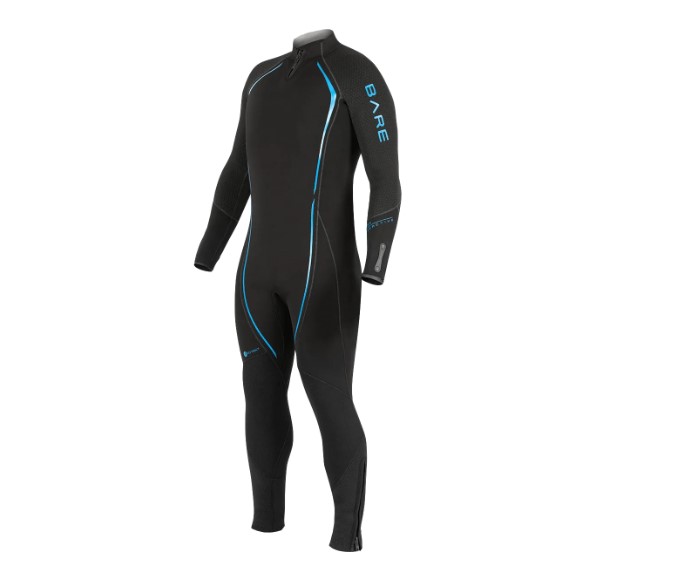
Detailed Technical Specifications
| Specification Feature | Technical Specification Details |
|---|---|
| Neoprene Type | Limestone-based Elastek Full-Stretch Neoprene |
| Thermal Lining | Full-body Celliant Infrared Technology (13 active minerals) |
| Thickness | 5mm (Ideal for 60°F - 72°F / 15°C - 22°C) |
| Seam Construction | Double-glued, blind-stitched, and Secure-Lock reinforced |
| Zipper Configuration | Heavy-duty back zipper with offset tooth design and internal sealing flap |
| Ankle & Wrist Seals | Internal glide-skin seals with heavy-duty ankle zippers for easy donning |
| Knee Protection | Armor Flex 2D durable stretch knee pads |
| Available Sizes | 16 standard men's sizes (including tall and short variations) |
Real-World Performance: What Divers Are Saying
When assessing gear of this level, relying solely on manufacturer spec sheets isn't enough. We have analyzed real-world feedback from active dive communities, detailing how this suit performs under actual pressure.
In various Reddit scuba discussions, the consensus among cold-water divers is clear: the warmth-to-flexibility ratio is highly praised. Divers regularly report that they can comfortably dive in water temperatures down to 58°F (14°C) when pairing this 5mm suit with a high-quality hooded vest. This combination allows them to leave their rigid 7mm suits behind, enjoying much greater freedom of movement and requiring less weight on their harness to achieve neutral buoyancy.
However, the community also highlights some critical considerations. The glide-skin wrist and ankle seals are highly effective at stopping water movement, but they can be snug. Some divers with larger forearms or calves recommend taking precise measurements and paying close attention to the sizing chart, as a suit that is too tight can restrict peripheral circulation, defeating the purpose of the infrared technology.
Video Walkthrough and Visual Inspection
To fully understand how the seams lay and how the limestone neoprene behaves when stretched, watching a detailed visual breakdown is incredibly helpful. The following video illustrates the material flexibility and seal design of this specific line of exposure gear:
How the Bare Reactive 5mm Compares to Key Competitors
Choosing a wetsuit requires looking at the competitive landscape. Below, we compare the Bare Reactive 5mm against three other popular options in the premium category.
1. Bare Reactive 5mm vs. Scubapro Everflex 5/4mm
The Scubapro Everflex uses a multi-thickness design (5mm on the torso, 4mm on the extremities) to maximize flexibility. It is an exceptionally comfortable suit to put on. However, when it comes to raw warmth, the Bare Reactive outperforms it. The lack of an active infrared liner in the Everflex means that once the initial thermal layer of water cools down, your body must work harder to stay warm. The Bare Reactive maintains a consistent 5mm thickness throughout, offering better overall insulation for longer, multi-dive days.
2. Bare Reactive 5mm vs. Fourth Element Proteus II 5mm
The Fourth Element Proteus II is widely regarded as one of the warmest traditional 5mm suits on the market due to its outstanding neck and wrist sealing systems. It behaves almost like a semi-dry suit. The trade-off is in the donning process. The Proteus II can be notoriously difficult to get in and out of, especially when wet during a two-tank boat dive. The Bare Reactive, with its integrated ankle zippers and highly stretchable Elastek neoprene, is significantly easier to don and doff without assistance.
3. Bare Reactive 5mm vs. Henderson Greenprene 5mm
The Henderson Greenprene is focused heavily on eco-friendliness, utilizing a 100% neoprene-free sustainable foam. It offers excellent thermal properties and a very soft feel. However, the Greenprene is bulkier and retains more water than the limestone-based Elastek neoprene of the Bare Reactive. If you are traveling and need a suit that dries quickly and packs light, the Bare Reactive is the more practical option for the traveling diver.
Retailer Trust and Customer Service Standards
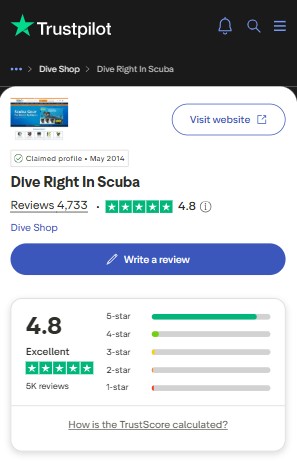
Purchasing high-end scuba equipment requires confidence in the store supporting you. When buying gear through specialized distributors, look for companies with a proven track record of standing behind their products. Dive Right In Scuba maintains an exceptional customer rating, which is clearly reflected on their Trustpilot review profile.
Their customer support team is staffed by active, experienced divers who understand fit issues and technical specifications. This is particularly important when purchasing a wetsuit, where a difference of an inch in your chest or hips can mean the difference between a warm, perfect fit and a water-logged, cold dive. They offer comprehensive customer support assistance to help you navigate sizing questions before you order.
Shipping, Warranty, and Flexible Payment Support
Investing in a high-quality bare 5mm wetsuit is a commitment. To make the process smoother, look for retailers who offer clear policies that protect your purchase:
- Frictionless Shipping: Getting your gear on time for your next dive trip is vital. Review the shipping policy details to understand transit times, international shipping options, and how to qualify for free shipping thresholds.
- Warranty Protection: Bare stands behind their materials and craftsmanship. While they are famous for their lifetime drysuit warranty coverage on seams, their wetsuits also carry a robust manufacturer's warranty against defects in materials and workmanship, ensuring your investment is secure.
- Flexible Payment Plans: If you prefer to spread the cost of your equipment over several months, you can take advantage of specialized payment plans and price-match options. This allows you to dive in comfort now without compromising on the quality of your exposure protection.
A Quick Note on Technical Manuals: When researching manufacturer documentation, some automated databases may link to general manuals, such as the Atomic Aquatics regulator manual. While that specific document covers critical regulator maintenance, the care guidelines we outline below are sourced directly from Bare’s official care standards for exposure suits.
Wetsuit Care and Longevity Optimization
A premium limestone wetsuit can easily last for years of intensive diving if it is properly maintained. Neoprene is highly durable but susceptible to degradation from salt, chlorine, ozone, and physical compression. Follow these guidelines to maximize the lifespan of your suit:
1. Post-Dive Rinsing
Always soak your wetsuit in fresh, clean water as soon as possible after a dive. Saltwater crystals will dry inside the neoprene cells and the Celliant fabric lining, acting like tiny abrasive knives that slowly wear down the fibers. If you dive in swimming pools for training, rinsing is even more critical, as chlorine degrades the elasticity of the Elastek neoprene very quickly.
2. Proper Drying Techniques
Never hang your wetsuit on a standard thin wire hanger. The weight of the wet suit will concentrate on a thin surface area, permanently creasing and thinning the neoprene across the shoulders. Use a dedicated, extra-thick wetsuit hanger. Dry the suit inside out first to protect the exterior color from UV damage and to ensure the Celliant lining is completely dry before storage.
3. Zipper Lubrication
The heavy-duty S-Lock back zipper is a rugged piece of engineering, but salt build-up can cause the slider to bind. Periodically apply a thin layer of specialized zipper lubricant to the teeth. Slide the zipper up and down a few times to distribute the lubricant evenly. This simple step prevents zipper tooth blowout, which is one of the most common causes of unrepairable wetsuit damage.
Frequently Asked Questions (AEO/GEO Optimized)
Does Celliant Infrared technology actually work, or is it just marketing?
Celliant technology is clinically proven and holds a designation from the FDA as a medical device and general wellness product. In independent lab testing, the infrared reflection from the mineral-embedded fabric has been shown to increase tissue oxygen levels by up to 7%, which directly improves temperature regulation and accelerates muscle recovery during surface intervals.
What is the recommended temperature range for a 5mm wetsuit?
A 5mm wetsuit is generally ideal for water temperatures between 60°F and 72°F (15°C to 22°C). However, cold tolerance is highly subjective. Divers who run warm may find it comfortable down to 55°F (13°C), while those who chill easily might prefer it in water up to 75°F (24°C).
How do the ankle zippers affect the seal of the Bare Reactive?
Many divers worry that ankle zippers will allow water to flush into the suit. Bare solves this by placing a continuous, internal glide-skin seal behind the zipper. When you zip the ankle shut, the metal teeth are completely isolated from your skin by a layer of smooth neoprene, preventing cold water from finding a direct path inside.
How does limestone neoprene compare to traditional petroleum neoprene?
Limestone neoprene is physically superior in almost every metric. It is lighter, warmer, more flexible, and absorbs less water. It also lasts longer because it resists the natural breakdown caused by ozone and UV exposure far better than petroleum-based alternatives.
Is the Bare Reactive 5mm suitable for freediving or snorkeling?
While designed primarily for scuba diving, it is excellent for snorkeling in cooler climates. For freediving, it performs well due to its extreme flexibility, though dedicated freedivers often prefer open-cell interior suits which offer a more adhesive seal to the skin, albeit at the cost of being much harder to put on without lubrication.
Final Verdict: Is the Bare Reactive 5mm Worth Your Money?
If you are a casual diver who only gets in the water once or twice a year in warm tropical climates, the Bare Reactive 5mm is likely more suit than you need. You would be perfectly fine with a basic, less expensive 3mm option.
However, if you are an active diver who refuses to let seasonal temperature drops cut your diving short, this bare 5mm wetsuit is arguably the finest exposure suit in its class. The combination of limestone Elastek neoprene, robust blind-stitched seams, and the active warmth of the Celliant Infrared lining makes it a durable, incredibly comfortable tool for extending your bottom times. It bridges the gap between traditional wetsuits and drysuits, keeping you warm, flexible, and completely focused on the marine life around you.

0 Comments