
Atomic Scuba Regulator: Complete Buying Guide
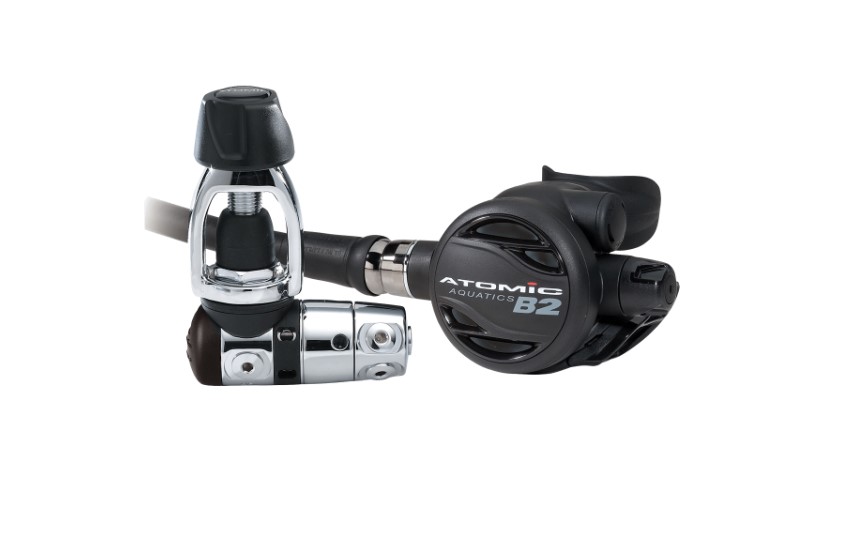
The Atomic Aquatics B2 Regulator is a highly efficient, balanced piston scuba regulator engineered for recreational and professional divers who demand effortless breathing and maximum jaw comfort without the steep price tag of a full-titanium system. Its standout benefit is the unique hybrid design: a rugged, chrome-plated brass first stage paired with a lightweight, corrosion-proof titanium second stage. This combination gives you the absolute best of both worlds: extreme structural durability where you need it, and an incredibly light feel in your mouth that virtually eliminates jaw fatigue. If you want a dependable, high-delivery regulator that only requires servicing once every two years or 300 dives, the B2 is absolutely worth considering for your dive gear setup.
Why Your Choice of Regulator Dictates Your Diving Comfort
In scuba diving, your regulator is your life-support system. It doesn't just deliver air; it determines how hard your lungs have to work at depth, how tired your jaw feels after an hour-long drift dive, and how much gas you consume. When breathing feels natural and effortless, your heart rate stays low, your air consumption improves, and you can focus entirely on the marine environment.
Many divers don't realize that jaw fatigue is one of the leading causes of shortened dives. When a regulator second stage is heavy or has a stiff hose that constantly pulls sideways, your jaw muscles must flex continuously to keep the mouthpiece in place. By the forty-minute mark, this strain can lead to tension headaches and jaw soreness. The Atomic B2 addresses these exact physical challenges through smart materials and anatomical design, which we will analyze in deep detail below.
The Physics of Gas Delivery: The B2 First Stage
At the core of the B2 is its balanced flow-through piston first stage. To understand why this matters, we must look at how gas behaves under pressure. In a standard unbalanced regulator, the air pressure from your cylinder pushes against the internal valve mechanism. As your tank pressure drops from 3000 PSI down to 500 PSI over the course of a dive, the force required to open that valve changes, making it harder to breathe as you reach your safety stop.
The B2 first stage utilizes a balanced piston design. The high-pressure gas from your tank is balanced across the internal piston shaft, meaning the force required to open the valve remains completely constant regardless of whether your cylinder is full or nearly empty. This guarantees that your first breath at 130 feet is just as easy as your last breath at 15 feet.
Material Construction and Longevity
The B2 first stage body is machined from solid marine-grade brass and finished with a multi-layered chrome plating. This provides exceptional structural strength and resistance to physical impacts. Inside, the critical moving components are protected against friction and wear. Atomic utilizes a unique dual-silicone-nitride high-pressure seat system, which offers a highly reliable seal and tolerates the high heat generated during rapid tank filling much better than traditional materials.
Hose Routing and Port Configuration
The physical layout of your hoses can make or break your dive profile. A messy hose setup creates drag, catches on wreckage or reef structures, and limits your range of motion. The B2 first stage addresses this with a rotating swivel turret at its base. This turret houses five low-pressure (LP) ports, allowing the hoses to swing smoothly as you move your head. Whether you mount your primary regulator over your right shoulder or use a long-hose configuration for technical diving, the swivel turret keeps your hoses flat and aligned with your body.
Additionally, the first stage features two high-pressure (HP) ports angled at 90 degrees relative to each other. This angling is vital for modern divers who use both an analog submersible pressure gauge (SPG) and a wireless air-integrated transmitter. The ports are spaced widely enough that your transmitter won't block access to your backup SPG hose or rub against your buoyancy compensator device (BCD) straps.
The Second Stage: Titanium and Jaw Relief
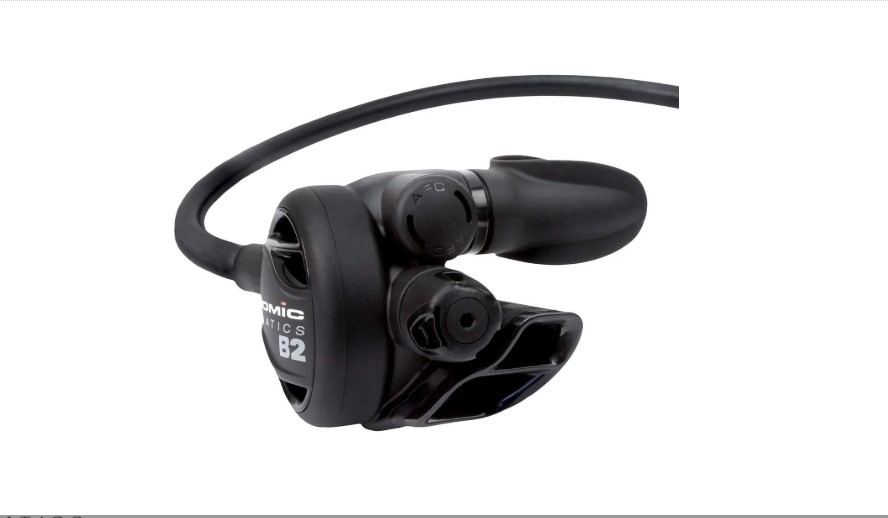
While the first stage sits behind your head on your tank valve, the second stage is in your mouth for the entire dive. This is where weight and material science become critical. The Atomic B2 second stage body is made of lightweight, impact-resistant composites, but the magic lies in its internal metallic components.
The Titanium Difference
Most standard second stages use chrome-plated brass for their internal demand valve bodies, levers, and adjusting orifices. Over time, salt water degrades the chrome plating, leading to oxidation, green scale buildup, and eventual seal failure. The B2 bypasses this issue entirely by fabricating all metal internal parts of the second stage demand valve from solid titanium.
Titanium is completely immune to corrosion in seawater. It doesn't rust, scale, or pit, ensuring the internal tolerances of the valve remain identical after hundreds of salt-water dives. Furthermore, titanium is incredibly light. By replacing heavy brass internals with titanium, Atomic has significantly reduced the physical weight of the second stage. When you hold the B2 in your hand, it feels noticeably lighter than standard brass models; in your mouth, that weight reduction translates directly to a feeling of near-weightlessness.
The Patented Comfort Swivel
Even a lightweight regulator can cause jaw fatigue if the heavy rubber hose pushes or pulls against your cheek. To solve this, the B2 features Atomic’s patented comfort swivel. Machined from polished 316 stainless steel, this multi-axis swivel allows the hose to rotate 30 degrees in any direction without twisting or binding.
When you turn your head to look up, down, or behind you, the hose bends smoothly at the swivel connection rather than prying the mouthpiece out of your teeth. You do not have to bite down hard to keep the regulator in place. This makes long dives, especially in strong currents where you are constantly turning your head to monitor your buddy or look for marine life, vastly more comfortable.
Patented Engineering: Automatic Flow Control (AFC)
Traditional second stages require manual adjustments to prevent freeflow on the surface. When you jump into the water or swim through a strong surface current, the rushing water can push against the purge button or create a venturi effect that pulls air out of the mouthpiece, causing a massive loss of gas. To prevent this, standard regulators use a plastic pre-dive/dive lever that you must remember to switch back and forth.
The Atomic B2 eliminates this manual step with its patented Automatic Flow Control (AFC). The AFC is a depth-activated mechanism that utilizes a small, internal foil that adjusts automatically based on surrounding water pressure. On the surface, the foil is positioned to restrict the venturi effect, preventing accidental freeflows when you step off the boat or swim through waves.
As you descend, the rising ambient water pressure compresses a small internal sensing diaphragm, which dynamically adjusts the foil to allow unrestricted airflow. The deeper you go, the more air you need due to the increased density of the gas. The AFC ensures that the gas flow matches your depth perfectly without you ever having to think about adjusting a plastic lever. It is simple, reliable, and completely hands-free.
| Feature | Atomic B2 Regulator | Standard Brass Regulators |
|---|---|---|
| First Stage Design | Balanced Flow-Through Piston | Often Unbalanced or Diaphragm |
| Second Stage Internals | Solid Titanium (Corrosion-Proof) | Chrome-Plated Brass (Prone to scale) |
| Venturi Control | Automatic Flow Control (AFC) | Manual Pre-Dive/Dive Switch |
| Hose Connection | 30-Degree Stainless Steel Comfort Swivel | Rigid Fixed Connection |
| Service Interval | 2 Years or 300 Dives | 1 Year or 100 Dives |
The Seat-Saving Orifice: Extending Valve Life
The vast majority of regulator leaks and freeflows are caused by wear and tear on the second-stage low-pressure seat. In a conventional regulator, the sharp metal edge of the volcano orifice is constantly pressed hard against the soft rubber or silicone seat by a spring. When your regulator is sitting in your gear closet during the off-season, this constant pressure cuts a deep, permanent groove into the rubber seat. Over time, this groove prevents a clean seal, leading to an annoying micro-leak or a steady hiss of bubbles when you turn your tank on.
Atomic solved this persistent industry issue with their patented seat-saving orifice. Inside the B2 second stage, the orifice is held away from the silicone seat by a small, delicate spring whenever the regulator is not pressurized. When you turn on your tank valve and gas pressure enters the system, the intermediate pressure overrides the small spring and pushes the orifice forward against the silicone seat to seal the air. The moment you purge the system and turn off the tank, the orifice retracts safely.
This simple piece of engineering prevents physical wear on the seat during storage. It is the primary reason why Atomic can confidently offer a two-year or 300-dive service interval, while almost every other brand on the market requires you to take your regulator in for annual servicing. This saves you significant maintenance costs and ensures your regulator remains reliable even if it sits unused for several months.
Real-World Performance: Diving the B2
To truly appreciate the B2, you have to experience it in real-world diving environments. Let’s look at how this engineering performs in the water under different scenarios.
Recreational Warm-Water Drift Diving
Imagine you are diving in Cozumel, cruising along a wall at 80 feet in a moderate current. You are constantly turning your head to watch for eagle rays and check your dive computer. In a standard regulator, the stiff hose would constantly push the mouthpiece against your lips, forcing you to bite down hard to keep water out. With the B2, the comfort swivel allows the hose to bend and pivot freely. The titanium second stage feels weightless, and you realize after forty minutes that your jaw muscles are completely relaxed. The AFC handles the current effortlessly, delivering smooth, dry air without any whistling or resistance.
Deep Recreational Limits
At 130 feet, air is four times denser than it is at the surface. Breathing dense air through a poorly designed regulator can feel like sucking thick honey through a straw. With the B2’s balanced piston first stage, the inhalation effort remains remarkably low. The gas flows smoothly and immediately upon inhalation, matching your physiological demand perfectly. Even under heavy physical exertion or when facing a head-current, you do not feel like you have to struggle to get enough air.
Cold Water and Environmental Sealing
If you dive in cold northern lakes, quarries, or under ice, water temperature is a major factor. Piston regulators can be susceptible to freezing because water enters the ambient spring chamber to balance the piston. If that water is near freezing, the rapid drop in gas pressure inside the first stage can cause ice crystals to form on the spring, locking the piston open and causing a major freeflow.
The Atomic B2 is available with an optional factory-installed environmental sealing kit. This kit fills the ambient chamber with a clean, food-grade silicone grease and seals it with a flexible outer boot. This completely isolates the moving parts from the cold water, preventing ice formation and keeping silt, mud, and salt crystals out of the spring chamber. If you plan on diving in water below 50°F (10°C), ordering the environmentally sealed version of the B2 is highly recommended.
The YouTube Review: Seeing the Mechanics in Action
To get a better visual understanding of how the Atomic B2 performs and how its swivel mechanism works in real time, watch this comprehensive video review by experienced gear technicians:
B2 vs. The Field: Which Atomic Model is Right for You?
Atomic Aquatics offers a full line of regulators, and choosing between them can be confusing. Let’s look at how the B2 compares to its siblings, the T3 and the Z3, based on real diver feedback from the Reddit Scuba community.
Atomic B2 vs. Atomic T3
The Atomic T3 is the flagship regulator of the brand, constructed entirely from solid titanium. This makes the T3 incredibly light and completely impervious to corrosion from head to toe. However, titanium is exceptionally difficult to machine, which makes the T3 incredibly expensive.
As discussed by experienced divers in the Reddit community, the breathing performance of the B2 and the T3 is virtually identical because they share the same internal gas-flow engineering and demand valve design. The primary difference is the first stage material: the T3 first stage is titanium, while the B2 first stage is chrome-plated brass. While the T3 is the ultimate travel regulator due to its ultra-light first stage, the B2 represents the sweet spot for most divers. It delivers the same titanium-grade comfort in your mouth and the same effortless breathing at a much more reasonable price point.
Atomic B2 vs. Atomic Z3
The Z3 is Atomic’s entry-to-mid-tier model. To make the Z3 more affordable, Atomic uses zirconium-plated brass inside the second stage rather than titanium. While zirconium offers good corrosion resistance, it is heavier than titanium and doesn't offer the same absolute immunity to scale buildup. The Z3 also lacks the double-silicone high-pressure seats of the B2. For divers who only get in the water once or twice a year, the Z3 is a solid budget choice, but for frequent divers who want the longest-lasting components and the absolute lightest feel, the B2 is worth the extra investment.
Understanding the Official Operating Procedures
Before taking your new regulator into the water, it is essential to understand the manufacturer's guidelines. According to the Official Atomic Regulator Manual, there are several key operating practices you must follow to maintain your warranty and ensure your safety:
- Pre-Dive Inspection: Always check the inlet filter inside the first stage yoke or DIN fitting before mounting the regulator. If it appears dark, discolored, or covered in white corrosion, do not dive with it. This indicates contaminated air has entered your system, and the regulator must be serviced immediately.
- Oxygen Compatibility: Atomic regulators are cleared for use with Nitrox mixes up to 40% oxygen straight out of the box. Do not use gas mixes containing higher oxygen concentrations without having the regulator professionally cleaned and converted for enriched oxygen service by an authorized technician.
- Post-Dive Rinsing: When washing your gear, always ensure the first stage dust cap is securely tightened in place. Do not press the second-stage purge button while rinsing, as this opens the demand valve and allows water to flow backwards down the low-pressure hose directly into the dry first stage chamber.
Authorized Dealer Credibility: Why Where You Buy Matters
When purchasing high-end dive gear, buying from an authorized dealer is critical. Unauthorized sellers (often called grey-market dealers) cannot offer the official manufacturer's warranty, and their technicians may not be trained or certified by Atomic Aquatics to perform maintenance.
Buying through an established, highly-rated authorized dealer like Dive Right In Scuba ensures you receive genuine gear, valid manufacturer warranties, and professional support. Their customer satisfaction is reflected in their Trustpilot Review Profile, where they maintain an outstanding rating for customer service and support.
Shipping, Financing, and Warranty Services
Investing in a high-end regulator setup is a significant decision. Fortunately, purchasing through Dive Right In Scuba offers several financial and logistical benefits to help get you in the water quickly and safely:
- Fast Shipping: Ensure your gear arrives before your next dive trip. You can review the full delivery options and regional timelines on the official Shipping Policy Page.
- Flexible Payment Plans: If you prefer to budget your gear purchase over time, interest-free financing options and price-match guarantees are available. Learn more on the Payment Methods and Price Match Page.
- Comprehensive Warranty: The B2 is backed by Atomic's lifetime warranty, provided the service intervals are met. For general information on how the dealer handles major gear warranties and repairs, check out the Warranty Policy Details.
- Technical Support: If you have questions about hose configurations, DIN vs. Yoke connections, or environmental sealing options, you can speak directly to a certified technician via the Customer Support Page.
The Servicing Advantage: 2-Year / 300-Dive Service Cycle
The standard industry service cycle for scuba regulators is once every twelve months. This means every single year, you have to pack up your regulator, take it to your local dive shop, and pay upwards of $150 to $250 for a full rebuild, including labor and parts kits. If you miss a year, your lifetime warranty is voided.
Because of the B2's titanium internals and seat-saving orifice, Atomic Aquatics officially allows a two-year or 300-dive service interval (whichever comes first). Over a ten-year ownership span, this cuts your maintenance costs and downtime in half. Instead of ten service teardowns, you only need five. This long-term cost saving easily offsets the initial purchase price of the B2 compared to cheaper, high-maintenance regulators.
Detailed FAQ
1. Is the B2 suitable for cold-water diving?
Yes, but with an important caveat. The standard B2 is designed primarily for temperate and warm-water environments. If you plan on diving in water temperatures below 50°F (10°C), you should purchase the B2 with the factory-installed environmental sealing kit. This kit isolates the first stage spring chamber with silicone grease, preventing ice from forming inside and locking the piston open.
2. What is the difference between DIN and Yoke connections for the B2?
The B2 is available in both Yoke and DIN configurations. Yoke is the standard system used widely in North America and the Caribbean, where the regulator slips over the tank valve and is clamped down with a screw knob. DIN regulators screw directly into the inside of the tank valve, which provides a much more secure connection, handles higher pressures (up to 4350 PSI), and reduces the risk of an O-ring pinch. If you travel internationally or do deep/technical diving, DIN is highly recommended; you can easily use a simple adapter to convert a DIN regulator to fit a Yoke tank if needed.
3. Why does Atomic use titanium inside the second stage but brass in the first?
This is a strategic design choice to keep costs reasonable while maximizing comfort. The first stage sits on your tank and does not contribute to jaw fatigue, so chrome-plated brass works perfectly and keeps the price accessible. The second stage, however, is held in your mouth. By using titanium for the second-stage internal demand valve, Atomic dramatically reduces the weight of the unit in your mouth, which directly prevents jaw fatigue and eliminates internal salt-water corrosion.
4. Does the Automatic Flow Control (AFC) ever fail?
The AFC is an entirely mechanical system that relies on physical water pressure and gas density to operate. There are no electronic sensors, batteries, or delicate computer parts to fail. It is exceptionally reliable. In the extremely rare event that the internal mechanism gets stuck due to severe silt buildup, the regulator will simply default to delivering air normally, though you might experience a minor freeflow on the surface or slightly higher inhalation resistance at depth until it is cleaned.
5. Can I use the B2 with Nitrox?
Yes. The Atomic B2 is cleared for Nitrox mixtures containing up to 40% oxygen straight out of the box. No special cleaning or modification is required. If you plan to use oxygen mixtures above 40% (such as deco gas for technical diving), the regulator must be specially serviced and cleaned for oxygen compatibility by an authorized service center.
6. How does the seat-saving orifice prevent leaks during long-term storage?
In standard regulators, the sharp edge of the metal orifice is constantly pushed into the rubber seat by a spring, which leaves a deep groove that eventually leaks. The B2’s floating orifice retracts away from the silicone seat when there is no air pressure in the system. The orifice only presses against the seat when you turn your cylinder on. This prevents wear and tear while your regulator is stored in your gear bag, extending the lifespan of your seals and keeping your regulator leak-free.
Final Verdict: Is the Atomic B2 Worth It?
The Atomic Aquatics B2 regulator is one of the most reliable and comfortable regulators on the market. By pairing a durable, balanced brass first stage with an ultra-light, corrosion-proof titanium second stage, Atomic has delivered a system that breathes beautifully at any depth and eliminates jaw fatigue during long dives.
When you factor in the patented Automatic Flow Control (AFC), the seat-saving orifice, and the double service interval of two years or 300 dives, the B2 is not just a high-comfort regulator; it is also a highly cost-effective long-term investment. If you want a top-performing regulator that you can rely on for years of trouble-free diving, the Atomic B2 is an outstanding choice.

0 Comments