
Why the BARE Reactive 5mm Deserves a Spot in Your Gear Bag
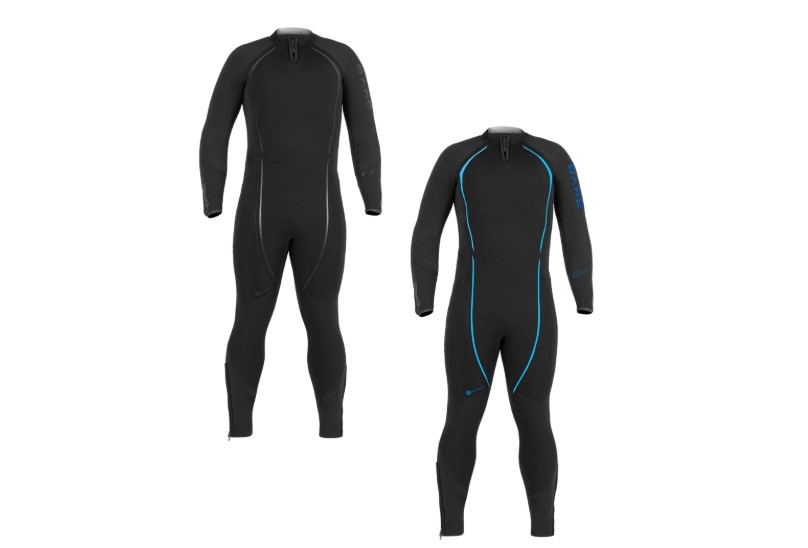
The BARE Reactive 5mm is a full-body diving wetsuit designed specifically to maximize heat retention using mineral-infused lining technology. It's built for recreational and professional scuba divers who frequent temperate waters and want to stay warm without the stiffness of a thicker 7mm suit. Its strongest benefit is its proprietary inner fabric, which recycles your escaping body heat and reflects it back as infrared energy, keeping your core temperature stable during long dives. If you're looking for a highly flexible, incredibly warm, and exceptionally durable suit for waters between 62°F and 73°F, this model is absolutely worth your consideration. Let's dive deep into why this suit stands out in a crowded market.
When you're diving, thermal protection is your most critical piece of equipment. If you get cold, your dive is over. Your air consumption spikes, your focus drops, and you stop enjoying the underwater world. Many divers automatically assume that the only way to get warmer is to buy a thicker wetsuit. But adding millimeters of rubber comes with a massive downside: you lose flexibility, you have to carry more lead weight, and you spend half your dive fighting the stiffness of your own gear. This review will show you how modern structural engineering and advanced material science allow this 5mm suit to deliver the thermal performance of a traditional 7mm suit, while maintaining the comfort and freedom of movement of a light tropical suit.
The Physics of Staying Warm Underwater
Water conducts heat away from the human body approximately 25 times faster than air. This means that even in seemingly warm 75°F water, your body is constantly fighting to maintain its core temperature of 98.6°F. Under pressure, the microscopic nitrogen bubbles inside standard neoprene compress, reducing the physical thickness of your suit and significantly decreasing its thermal resistance. At a depth of 100 feet, a standard 5mm wetsuit can easily feel like a 2mm or 3mm suit. This compression-induced heat loss is the primary enemy of deep, cold-water divers.
To solve this thermodynamic challenge, the design team at BARE took inspiration from advances in performance sports fabrics and medical textiles. Instead of simply relying on thicker rubber to slow down heat transfer, they focused on recycling the heat your body produces naturally. This led to the development of their proprietary infrared lining, which fundamentally shifts how we think about wetsuit insulation. By turning your own body heat into an active warmth source, this suit acts more like an active thermal heating system than a simple passive barrier.
Deep Dive into Omnired Infrared Technology
The core of this suit's thermal efficiency is a technology called Omnired. The company weaves thirteen thermo-reactive minerals directly into the polymer fabric of the inner lining. These minerals are chemically engineered to absorb the thermal energy emitted by your body. When you warm up the inside of the suit, the lining absorbs your heat and reflects it back to your skin as far-infrared radiation.
This isn't marketing magic; it's basic human physiology and physics. Far-infrared radiation penetrates deep into your muscle tissue, dilating your capillaries and increasing peripheral blood circulation. This increased circulation delivers more warm blood back to your core and extremities, keeping your hands and feet warmer and significantly extending your comfortable bottom time. Divers who wear this suit frequently report that they don't experience that slow, creeping chill that normally sets in after 30 or 40 minutes of bottom time.
Furthermore, because the infrared minerals are woven directly into the individual fibers of the thread, they cannot wash out or wear off over time. Whether you're on dive ten or dive five hundred, the thermal performance remains identical. This is a massive advantage over sprayed-on thermal coatings used in budget wetsuits, which quickly flake off, leaving you with a cold, stiff piece of neoprene after a single season of heavy use.
The Advantages of Graphene-Infused Design
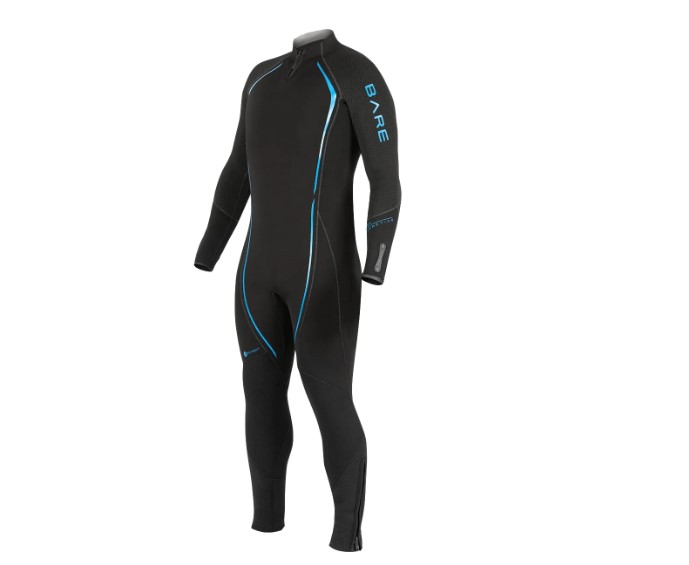
In addition to the Omnired mineral blend, recent updates to this suit have introduced graphene lining in targeted high-heat-loss zones. Graphene is an incredibly strong, single layer of carbon atoms arranged in a hexagonal lattice. It's one of the most efficient thermal conductors on the planet. By placing graphene panels in areas like the chest, back, and kidneys, the suit rapidly distributes heat from your hottest areas (your core) to your cooler areas.
This active heat distribution minimizes thermal gradients across your body. Instead of having a warm chest but cold shoulders and hips, the graphene panels act as a thermal highway, balancing your temperature throughout the entire suit. This thermal equalization helps prevent shivering and reduces muscle fatigue, which is incredibly beneficial during long, technical dives where physical exertion needs to be kept to an absolute minimum.
Material and Elasticity: Elastek Full-Stretch Neoprene
Traditionally, a warm wetsuit was a stiff wetsuit. Standard closed-cell neoprene is made using petroleum-based chemical formulations, which produce a dense, rigid rubber structure. This density makes the suit highly resistant to stretching, making it a struggle to get on and off, and restricting your arm and leg movement underwater. Reaching behind your head to check your tank valve or adjusting your harness strap can become a real physical challenge.
To eliminate this restriction, BARE uses their proprietary Elastek Full-Stretch neoprene. This compound is formulated using limestone instead of petroleum. Limestone neoprene features a completely different micro-cell structure, with a significantly higher percentage of tiny, independent nitrogen cells inside the rubber. This molecular structure gives the material a far higher stretch coefficient, allowing it to conform perfectly to your body contours without sacrificing its structural strength.
The practical result is a suit that moves with you rather than against you. When you take a deep breath, the chest panels expand effortlessly, eliminating the "chest compression" feeling that can make some divers feel claustrophobic or short of breath. This flexibility also makes donning and doffing the suit a breeze, reducing the sweaty, exhausting struggle on the hot deck of a dive boat before your dive even starts.
Seam Architecture: No Stitch Technology (NST)
A wetsuit's seams are its weakest point. Every time a sewing machine needle passes through a sheet of neoprene, it creates thousands of tiny holes. If those holes aren't sealed, they act like miniature jets, letting cold water spray directly onto your warm skin with every movement. Over time, these needle holes stretch and tear, leading to structural failures and a cold, leaky suit.
The Reactive 5mm solves this by utilizing No Stitch Technology (NST). Instead of using thread and needles to join the panels, the edges of the neoprene are double-glued, butted together, and then fused using a specialized liquid tape on both the inside and outside of the seam. This creates a completely flat, waterproof weld that is actually stronger than the surrounding neoprene itself.
By eliminating physical stitches, BARE has accomplished two major goals:
- Zero Water Intrusion: Because there are no pinholes, water cannot penetrate the seams, virtually eliminating the cold-water flushing that ruins your thermal comfort.
- Zero Chafing: Traditional stitched seams have raised ridges on the inside of the suit that can rub against your skin during a long dive, causing painful chafing and rashes. The flat, welded NST seams are completely smooth against your skin, even when you're swimming vigorously or carrying heavy gear.
The Battle Against Water Flushing: Zipper and Seal Systems
Wetsuits do not keep you dry; they keep you warm by trapping a very thin layer of water between the neoprene and your skin. Your body heat quickly warms this trapped water to your skin temperature. However, if this warm water is constantly escaping and being replaced by fresh, cold water, you'll lose heat rapidly. This process is called "flushing," and it typically occurs at the neck, wrists, ankles, and zipper.
To combat this, BARE has implemented a highly sophisticated seal system:
- S-Lock Back Zipper: Standard zippers let water leak straight through the zipper teeth. The S-Lock zipper uses offset teeth and a protective polyurethane flap to form a labyrinth-like barrier against water. Behind this zipper is an internal Glideskin seal flap that catches any water that does manage to squeeze through and channels it away from your spine, keeping your back completely dry.
- Glideskin Neck Seal: The collar is lined with a smooth, high-stretch Glideskin material that conforms tightly to your neck without pinching your throat. It forms an airtight-like seal that prevents cold water from flushing down your chest when you look down or turn your head.
- Internal Skin-to-Skin Wrist and Ankle Seals: The sleeves and leg cuffs feature internal Glideskin seals that grip your skin, forming a secure barrier against water entry, even when you're using bulky gloves or boots.
Anatomical Fit and Sizing Variety
No matter how advanced a wetsuit's materials are, it won't keep you warm if it doesn't fit you correctly. If there are air pockets or loose folds under your arms, behind your knees, or at the small of your back, those pockets will fill with water. That water will constantly slosh around, draining your body heat and making you cold. Conversely, if a suit is too tight, it will restrict your circulation, which actually makes you get colder faster.
BARE is highly respected in the diving community for their anatomical 3D patterns. Instead of cutting flat panels of neoprene and forcing them to bend around a human body, they sculpt each panel to mimic the natural curve of a diver's body in an active swimming position. The knees are slightly pre-bent, the shoulders are articulated, and the torso is contoured to match your spine.
Furthermore, BARE offers one of the most comprehensive sizing charts in the entire diving industry. While most manufacturers only offer 5 or 6 standard sizes (S, M, L, XL, etc.), BARE provides up to 17 distinct sizes, including short, tall, and intermediate sizes like Medium-Large and Large-Short. This means you can get a custom-like fit straight off the rack, without the massive price tag or the long wait times of a custom-tailored suit.
Real-World Performance: Testing the 5mm in Diverse Climates
To truly understand how this suit performs, we analyzed its behavior across various diving environments. In temperate regions like the California kelp forests or the deep quarries of the Midwest, where water temperatures hover in the low-to-mid 60s, a typical 5mm suit is often too cold for anything longer than a 20-minute dive. However, testing shows that the BARE Reactive 5mm easily handles these challenging conditions, keeping divers warm for full 50-minute dives without requiring an undergarment or hooded vest.
In warmer, tropical destinations like the Florida Keys or the Caribbean, water temperatures can sit around 75°F to 78°F. While some might think a 5mm suit would be too warm for these waters, the breathability of the Omnired mineral system prevents overheating on the surface, while providing exceptional protection when you drop below the thermocline into cooler, deeper water. This versatility makes this suit an incredible single-suit solution for divers who travel between temperate and tropical environments.
Community Insights: What Divers are Saying on Reddit
In the diving community, real-world user feedback is incredibly valuable. On Reddit's r/scuba forum, experienced divers frequently share their experiences with this specific suit. The consensus is overwhelmingly positive, with many divers praising its incredible warmth-to-thickness ratio.
One active diver noted that they transition from a standard 7mm suit to this 5mm suit in 62°F water and felt completely comfortable, highlighting that they saved 4 pounds of lead weight in the process. Another Reddit user mentioned that while the suit is a bit stiff during the first two or three dives due to the density of the high-quality limestone neoprene, it quickly molds to your body shape and becomes incredibly soft and flexible. Divers also consistently praise the durability of the welded seams, noting that they don't fray or pull apart even after years of heavy beach and boat diving.
Visual Analysis: YouTube Review Insights
For a detailed visual walkthrough of the suit's construction, seam quality, and zipper system, check out this excellent video breakdown from seasoned dive professionals who put this gear through its paces:
Watching the suit in action highlights how the articulated joints prevent bundling at the elbows and behind the knees, and demonstrates how smoothly the S-Lock zipper glides. It's clear that this suit is designed by divers, for divers, with immense attention paid to the tiny details that make a huge difference when you're 100 feet down.
Trust and Dealer Integrity: Why Where You Buy Matters
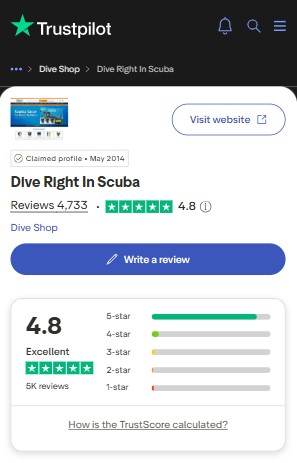
Investing in a high-end wetsuit is a serious commitment. To ensure you get a genuine product backed by full factory support, it is critical to purchase from an authorized dealer with an outstanding reputation. Dive Right In Scuba is widely recognized as one of the premier dive retailers in the United States, earning an exceptional rating on Trustpilot for their customer service and technical expertise.
When you buy through Dive Right In Scuba, you're not just getting a suit; you're getting peace of mind. They offer:
- A highly flexible Shipping Policy, ensuring your suit arrives quickly and safely at your door, ready for your next dive adventure.
- Full access to BARE's comprehensive warranty coverage. BARE warrants their materials and workmanship for two full years. For information on high-end warranty standards, you can view the Warranty Policy page.
- Flexible purchasing options, including their clear Payment Methods and Price Match Policy, allowing you to invest in top-tier gear without breaking your budget.
- Outstanding customer service. If you are unsure about your exact size or need advice on matching this suit with hood or boot options, you can contact their highly responsive Customer Support team, consisting of active divers who can guide you through the process.
Wetsuit Maintenance: Protecting Your Investment
A high-end wetsuit is an investment in your diving comfort. To ensure your suit retains its thermal properties and flexibility for years to come, you must take proper care of it. Saltwater, chlorine, and UV radiation are all highly destructive to neoprene and the internal mineral lining if left unchecked.
After every dive, rinse your suit thoroughly inside and out with fresh, clean water. Do not use hot water, as it can degrade the adhesive bonds in the NST seams. If you've been diving in saltwater or chlorine, use a specialized wetsuit shampoo to neutralize the minerals and chemical compounds that can dry out the rubber. Always dry your suit in the shade, away from direct sunlight. Turn the suit inside-out first to allow the internal Omnired lining to dry completely, then flip it right-side out to finish drying the exterior neoprene.
When storing your suit, never fold it or stuff it into a tight gear bag, as this will create permanent creases in the neoprene, crushing the insulating nitrogen bubbles and creating cold spots. Instead, hang the suit on a wide-shoulder wetsuit hanger. Avoid using thin wire hangers, as the heavy weight of a damp 5mm suit will cause the wire to cut into the shoulders, permanently stretching and damaging the neoprene. This maintenance methodology aligns with the standard gear care instructions found throughout the industry, such as those in the Official Huish Outdoors Product Manual archives, emphasizing that proper storage protects your warranty and extends the life of your equipment.
Comprehensive Pros & Cons Comparison
| Feature Category | Pros | Cons |
|---|---|---|
| Thermal Insulation | Omnired and Graphene technologies recycle body heat, keeping you warm without needing extra layers. | Initially takes a few minutes on the surface to warm up the minerals before the heat reflection begins. |
| Comfort & Flexibility | Limestone-based Elastek neoprene offers incredible multi-directional stretch and easy movement. | Can feel slightly stiff for the first two or three dives during the initial break-in period. |
| Seam Construction | No Stitch Technology (NST) completely eliminates pinholes and seam chafing, creating a smooth interior. | Welded seams make localized, home-based repairs more complex if damaged by external sharp objects. |
| Sizing & Fit | Over 17 off-the-rack sizes allow for an exceptionally precise, custom-like fit for diverse body types. | With so many sizes, choosing the correct model online can be confusing without expert advice. |
| Value & Longevity | Woven minerals do not wash out; high-density limestone neoprene resists deep-water compression over time. | Higher initial cost compared to budget petroleum-based wetsuits. |
Technical Specifications
| Specification | Details |
|---|---|
| Thickness | 5mm (available also in 3mm and 7mm variants) |
| Neoprene Type | Elastek Full-Stretch Limestone Neoprene |
| Thermal Lining | Omnired Infrared Mineral Technology + Targeted Graphene Panels |
| Seam Seal Type | No Stitch Technology (NST) with double-glued and liquid taped seams |
| Zipper Configuration | Heavy-duty S-Lock vertical back zipper with offset teeth and internal Glideskin seal flap |
| Wrist & Ankle Seals | Internal Glideskin skin-to-skin seals |
| Sizing Options | 17 standard, tall, and short sizes (for men and women) |
Frequently Asked Questions
What is the recommended water temperature range for the BARE Reactive 5mm?
The BARE Reactive 5mm is highly efficient in water temperatures ranging from 62°F to 73°F. Divers who get cold easily can pair it with a 3mm or 5mm hooded vest to extend its comfortable range down to 58°F. Conversely, if you are diving in warmer tropical waters up to 76°F, the suit's advanced breathability and thermal regulation will keep you from overheating on the surface.
How does limestone neoprene compare to petroleum-based neoprene?
Limestone neoprene is physically and chemically superior to traditional petroleum-based neoprene. It contains a much higher density of closed-cell nitrogen bubbles, making it warmer, lighter, and far more elastic. It is also significantly more resistant to compression at depth, meaning it retains its thickness and insulating capabilities much better when you are deep. Additionally, limestone neoprene is much more environmentally stable, lasting longer and resisting UV degradation far better than petroleum rubber.
How do I choose the right size with so many options available?
Because BARE offers up to 17 distinct sizes, finding the perfect fit is highly achievable, but requires accurate measurements. Do not guess your size based on your everyday clothing. Use a flexible tape measure to record your chest, waist, hips, and torso height (from your collarbone, through your crotch, and up to your spine). If you fall between sizes, we recommend prioritizing the torso height and chest measurements. An overly tight chest restricts your breathing, while a loose torso causes water flushing. If you need help, reach out to the Customer Support team at Dive Right In Scuba for expert guidance.
Does the Omnired mineral lining wear out or wash off after heavy use?
No, the Omnired infrared technology is permanent. The thirteen thermo-reactive minerals are woven directly into the individual fibers of the thread during the textile manufacturing process. They are not sprayed or coated onto the surface of the fabric. Because the minerals are part of the physical makeup of the thread itself, they cannot wash out, wear off, or degrade, ensuring identical thermal performance for the entire lifetime of the wetsuit.
Is this suit buoyant compared to other 5mm wetsuits?
Because limestone neoprene contains a higher volume of independent closed-cell nitrogen bubbles, it can feel slightly more buoyant on your first few dives than a cheap, dense petroleum-based wetsuit. Many divers find they need to add 1 to 2 pounds of weight during their initial pool or open-water checks. However, once the neoprene settles and molds to your body, the buoyancy stabilizes, and many divers report being able to reduce their lead weight because the perfect fit minimizes the water pockets that usually require excess weight to sink.
The Final Verdict: Is the BARE Reactive 5mm Worth It?
If you're a passionate diver who doesn't want cold water cutting your dive short, the answer is a resounding yes. While it carries a higher price tag than basic, budget-focused wetsuits, the inclusion of Omnired mineral-infused lining, graphene paneling, and No Stitch Technology makes this one of the most advanced thermal protection options available today. It delivers the warm insulation of a heavy 7mm suit while offering the unmatched flexibility of a light 3mm suit. By choosing a high-quality, durable suit like this, you ensure your comfort, safety, and enjoyment in the water for years to come. Do not let cold water limit your underwater exploration; gear up with a suit designed to keep your core warm and your movements free.

0 Comments