
The Reality of Underwater Field of View: Solving the Tunnel-Vision Problem
If you've ever spent half your dive adjusting a leaking mask or squinting through scratched plastic lenses, you know how quickly poor gear spoils a good day in the water. Getting out on the ocean shouldn't feel like looking through a cardboard tube. If you're hunting for a verified Sublue Discount Code: How to Save on Your Next Purchase, you're likely trying to find a high-quality balance between cost and actual performance on your next dive or snorkeling trip.
The Sublue 180° Panoramic Tempered Glass Dive Mask & Snorkel Set is designed specifically for recreational snorkelers, freedivers, and scuba divers who want to eliminate the claustrophobic tunnel-vision common in cheap, rental-grade gear. Built with flat, optical-grade tempered glass and a dual-pane side design, this system provides a wide, undistorted view of the marine environment. It pairs with a reliable dry-top breathing tube that automatically seals when submerged, keeping saltwater out of your airway even in choppy swell. For anyone tired of dealing with fogged lenses and leaky silicone skirts, this set offers a substantial upgrade in comfort and visibility, making it highly worth considering—especially when using an official discount to keep your gear budget in check.
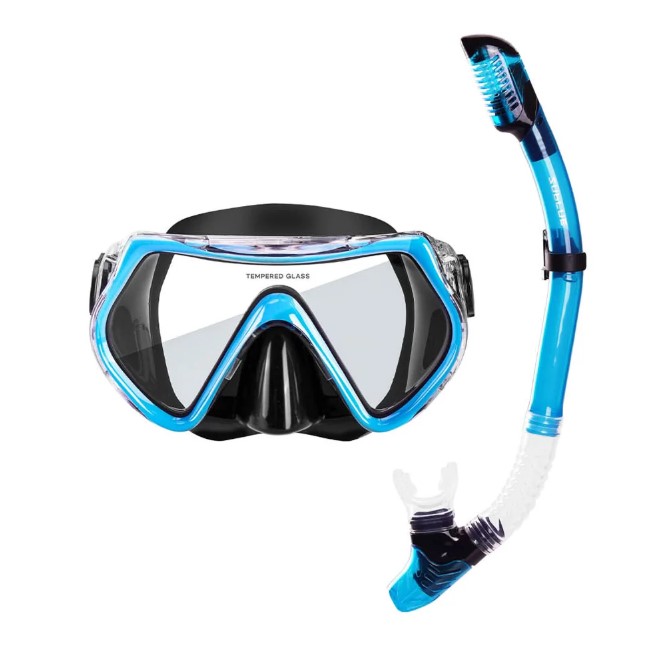 The Sublue 180° Panoramic Tempered Glass Set features an integrated side lens design and dry-top snorkel.
Ready to upgrade your underwater view? Claim your discount automatically at checkout:
GET YOUR SUBLUE 180° PANORAMIC MASK SET WITH DISCOUNT APPLIEDPurchases are processed securely directly on the official Sublue store with a manufacturer discount automatically applied through our link.
Optical Clarity Underwater: Tempered Glass vs. Cheap Plastic
The first thing to look at when evaluating any dive mask is the lens material. Many entry-level snorkeling masks on the market utilize polycarbonate (plastic) lenses. While plastic is light and inexpensive, it has two major flaws underwater: poor optical index properties and a complete vulnerability to scratching. The moment a piece of sand gets inside your gear bag and rubs against a plastic lens, it creates a permanent haze. More importantly, plastic bends and warps slightly under hydrostatic pressure, distorting your depth perception and peripheral focus.
The Sublue set uses flat, thermal-tempered glass. Tempered glass undergoes a heating and cooling treatment that alters its internal structure. This serves two vital purposes: optical consistency and safety. Under the water, light travels from a dense medium (water) through a flat pane of glass into a less dense medium (the air inside your mask cavity). Because tempered glass remains perfectly rigid and uniform, it keeps light rays straight, eliminating the headaches and eye strain that come from cheap, curved plastic lenses.
From a safety perspective, if you happen to hit your face against a rock, a boat ladder, or your dive buddy's tank, standard glass would shatter into dangerous, razor-sharp shards right next to your eyes. Tempered glass, however, is designed to fracture into tiny, blunt, relatively harmless granular pieces under extreme impact, meeting international ANSI Z86.11 dive safety standards. This is a non-negotiable feature for anyone going deeper than the surface splash zone.
Pro Tip: Testing Optical Distortion Before Diving
To check the optical quality of any mask before you head to the beach, hold it about twelve inches from your face and look through the lenses at a straight grid pattern (like floor tiles or a brick wall). Move the mask slowly side-to-side and up-and-down. If the straight lines of the grid bend or warp as they pass through the edges of the glass, the lens has optical impurities that will likely cause a headache or mild nausea after an hour of snorkeling. The flat tempered front glass of the Sublue mask maintains uniform grid lines across its entire primary field of view.
Engineering the 180° Panoramic Field of View
Classic scuba masks use either a single flat front lens or a dual-lens design separated by a nose bridge. While these designs are excellent for keeping the internal volume low (which makes the mask easier to clear of water), they restrict your peripheral vision. You have to turn your entire neck to see a dive buddy swimming slightly off to your side. This can be problematic when you're managing buddy positioning, checking your depth gauge, or keeping an eye out for boat traffic.
Sublue addresses this with a three-window panoramic design. By optically bonding two side triangular window panes to the main front pane, they've expanded the lateral field of view to roughly 180 degrees. This side glass lets ambient light enter the mask from the flanks, which immediately reduces that "boxed-in" feeling.
However, panoramic masks can sometimes suffer from a visual seam line where the front and side windows meet, creating a slight double-image or a blind spot right in your peripheral transition. To minimize this, Sublue kept the joint frames as thin as possible. When you wear the mask, your eyes quickly adapt, and the thin vertical frame line becomes almost unnoticeable, allowing you to track motion out of the corner of your eye. This is particularly helpful for freedivers and underwater photographers who need to notice sudden marine life movements without making sudden, alarming head turns.
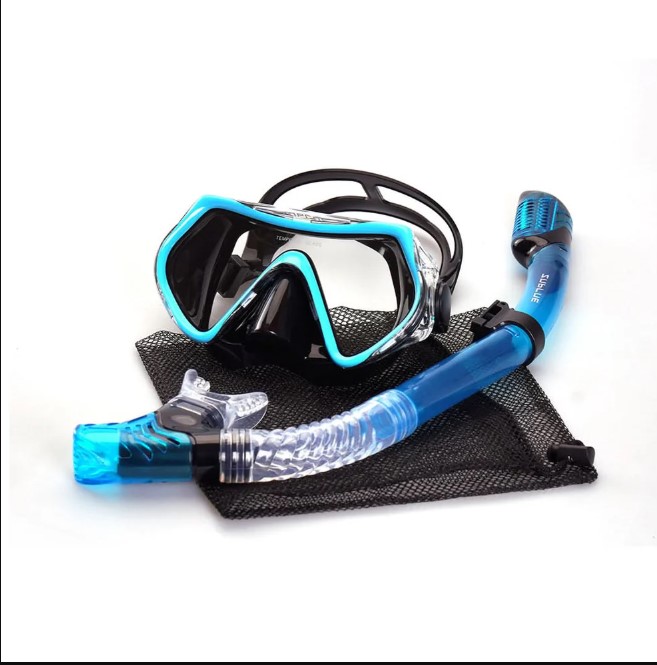 The bonded side panels are engineered to let in lateral light, significantly expanding peripheral awareness.
Anatomy of a Reliable Seal: Liquid Silicone Rubber (LSR)
The best optical glass in the world won't save your dive if the mask won't stop leaking. The seal of a mask depends entirely on its skirt material and shape. Cheap snorkel sets often use PVC or low-grade sili-paste (reclaimed, chemical-filled silicone). These materials feel soft at first, but they have a "plastic memory"—meaning if they get slightly bent or squished in your gear bag, they stay warped. They also dry out, harden, and crack when exposed to the UV rays of the sun and the drying effects of saltwater.
The Sublue 180° Panoramic Mask features a skirt made of food-grade Liquid Silicone Rubber (LSR). LSR is injection-molded under high heat, which creates a highly stable, flexible, and hypoallergenic seal. It easily conforms to different facial contours, cheekbones, and jaw movements. If you smile, laugh, or speak while underwater, the skirt flexes without pulling away from the skin, preventing water from seeping in.
The skirt also utilizes a double-feathered edge seal. Think of this as a double barrier. The outer edge of the skirt is thin and flexible, conforming directly to your skin. Just inside that edge is a secondary, thicker reinforcing ridge. When you submerge, the increasing water pressure pushes against the outer skirt, pressing it more firmly against your face. The secondary flap provides structural support so the mask doesn't collapse or squeeze painfully against your forehead and nose bridge.
Facial Hair and Mask Seals: A Common Struggle
If you have a mustache or thick stubble, you will likely experience minor leaks with almost any traditional dive mask, including this one. Because hair prevents the smooth silicone skirt from making direct, flat contact with the skin, micro-gaps are formed. To resolve this, many divers apply a small dab of food-grade silicone grease, lip balm, or petroleum jelly to their mustache right below the nose before putting the mask on. This fills the microscopic gaps between the hairs and helps maintain a tight, dry seal throughout the dive.
The Importance of Skirt-Mounted Buckles
A subtle but critical design detail on the Sublue mask is where the strap buckles are attached. On budget masks, the buckles are often molded directly onto the hard plastic outer frame. When you pull the strap tight, it pulls the hard frame directly against your face, which can cause painful pressure points on the bridge of your nose or forehead.
Sublue attaches the flexible buckle assemblies directly to the silicone skirt itself. When you adjust the wide silicone split-strap, the tension is distributed evenly around the soft skirt rather than pulling the rigid frame down. This allows the mask to self-align to your face, reducing the need to over-tighten the strap. Remember, a common rookie mistake is overtightening a mask to stop a leak. This actually distorts the skirt and causes more leaks. The strap should only be tight enough to keep the mask in place; the water pressure and proper fit should do the rest of the sealing work.
The Mechanics of a True Dry-Top Snorkel
For most snorkelers, the snorkel is where the anxiety lies. Breathing through a tube while waves splash around you can be intimidating. The Sublue set includes a dry-top snorkel designed to minimize water entry using mechanical physics rather than relying on you to constantly blow water out of the tube.
How the Float Valve Operates
A true "dry top" snorkel is different from a "semi-dry" snorkel. A semi-dry snorkel only has a plastic splash guard at the top, which deflects surface spray but still lets water inside if you submerge. The Sublue dry-top snorkel features an active float valve mechanism housed inside the top chamber.
When you are swimming on the surface, gravity keeps a lightweight plastic cylindrical float in the down position, keeping the air intake wide open. The moment you dive below the surface—or if a wave washes completely over the top of the tube—the upward buoyant force of the water pushes the internal float instantly upward, sealing the intake airway before water can enter. The second you return to the surface and the top chamber clears the water level, gravity pulls the float back down, and your airway is immediately open again. It is simple, reliable, and keeps you from swallowing a throatful of saltwater.
The Lower Purge Valve and Flexible Section
Even with a dry-top valve, a tiny drop of water can occasionally find its way in—perhaps from condensation from your breath or if a small piece of seaweed momentarily jams the float. To handle this, the snorkel is built with a deep reservoir well at the bottom, equipped with a one-way silicone purge valve diaphragm.
Water is heavier than air, so any moisture that enters the tube naturally collects in the bottom reservoir below your mouthpiece. Because this reservoir sits lower than the airway, you won't inhale the collected droplets. To clear it, you don't need to force air all the way up the tube. A gentle exhale is all it takes. The positive air pressure easily pushes the flexible silicone diaphragm at the bottom outward, dumping the water directly into the sea. The valve is designed to only open outward; water pressure from the outside keeps it sealed tight during your inhalation cycle.
Additionally, the lower portion of the snorkel is made of a corrugated silicone flexible tube. This is a massive comfort feature. Rigid plastic snorkels constantly pull on your mask strap, trying to twist the mouthpiece out of your mouth, which causes jaw fatigue. The flexible silicone section allows the mouthpiece to bend naturally to the exact angle of your jaw. Furthermore, if you decide to transition to scuba diving, the flexible section allows the snorkel mouthpiece to drop completely away from your face when you spit it out to insert your scuba regulator.
Technical Specifications Table
To help you compare this gear against other options you might be considering, here is a detailed breakdown of the construction materials and design elements of the Sublue Panoramic Set:
| Feature / Component | Sublue 180° Panoramic Set Specifications | Why It Matters for Performance |
|---|---|---|
| Lens Material | Flat, Thermal-Tempered Safety Glass (ANSI Z86.11) | Resists scratching, prevents optical distortion, and will not shatter into sharp shards. |
| Lens Design | 3-Window Panoramic (Bonded Side Panes) | Eliminates tunnel vision, increases peripheral light, and improves situational awareness. |
| Skirt Material | 100% Hypoallergenic Liquid Silicone Rubber (LSR) | Conforms smoothly to diverse facial shapes and resists long-term UV/saltwater degradation. |
| Skirt Construction | Double-Feathered Edge Seal | Creates a secondary sealing barrier and structurally handles depth pressure. |
| Buckle System | Skirt-Mounted, Push-Button Quick Adjust | Distributes strap tension evenly across the skirt instead of pressing the frame onto the face. |
| Snorkel Type | Active Dry-Top (Float Valve System) | Automatically blocks water entry when submerged or hit by surface waves. |
| Purge Mechanism | Bottom Chamber with One-Way Silicone Diaphragm | Allows easy clearing of any condensation or water drops with a simple, light exhale. |
| Snorkel Tube | Corrugated Flexible Silicone Section | Reduces jaw fatigue by allowing the mouthpiece to angle naturally; drops away when not in use. |
The Scuba vs. Snorkel Debate: Insights from Reddit
When you're deciding whether to invest in your own personal mask and snorkel set, it is highly useful to see what active divers discuss in the community. Over on the r/scuba subreddit discussion on snorkel kits, a common question is whether it's actually worth owning a personal snorkel kit for scuba diving, or if renting is sufficient.
The overwhelming consensus among experienced divers is that your mask is the single most important piece of personal fit gear you can own. Rental masks are notoriously worn out, with stretched-out straps and degraded silicone skirts that leak constantly. There is nothing worse than spending your entire dive budget only to have your dive cut short because you are constantly clearing water from a poorly fitting rental mask.
As for the snorkel, while some advanced technical scuba divers prefer to leave the snorkel off their mask to prevent drag or entanglement risks, safety agencies and recreational instructors emphasize that having a high-quality dry snorkel on your mask is a critical safety tool. If you find yourself in choppy water at the surface waiting for a dive boat to pick you up, or if you have a long surface swim back to shore, breathing through a dry snorkel saves your precious scuba tank air and keeps you from inhaling surface mist and wave spray. The flexibility of the Sublue snorkel makes it highly attractive for this exact scenario, as it doesn't get in the way of your primary scuba regulator during the dive.
Global Brand Reputation and Trustpilot Feedback
Before buying any underwater equipment, you want to know if the brand behind it stands by their gear. Sublue is not a generic, fly-by-night internet label. They are a massive, internationally recognized brand specializing in underwater exploration technology, particularly famous for their underwater propulsion scooters like the WhiteShark and Navbow series. This background in engineering high-pressure underwater motors and battery compartments translates directly into the material quality of their simpler dive gear.
Looking at the Sublue Trustpilot review page, you can see how customers evaluate their experiences with the brand. Customers frequently highlight the responsive customer service and the build quality of their aquatic gear.
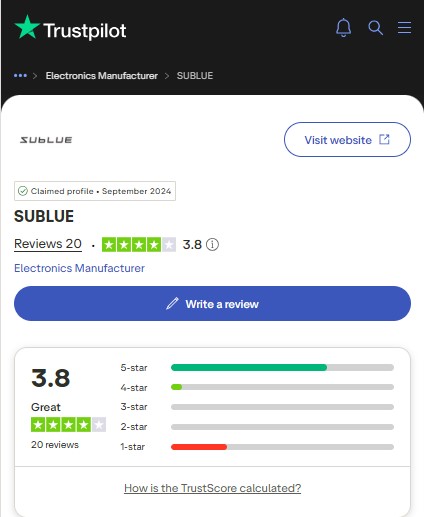 Sublue maintains solid credibility on Trustpilot, driven by customer service and reliable materials engineering.
How to Prep Your New Mask to Prevent Fogging: The Expert's Guide
If you buy this Sublue mask—or any other tempered glass mask—and take it straight out of the box into the ocean, it will fog up within thirty seconds. This is not a defect in the mask; it is a natural result of the manufacturing process.
During factory production, when the silicone skirt is molded and cured, a microscopic layer of silicone vapor outgasses and deposits as a thin, invisible film on the inside of the tempered glass lenses. This film acts as a perfect surface for moisture droplets to cling to, causing immediate condensation. Before your first dive, you must physically remove this factory silicone film. Here is the step-by-step method used by dive professionals around the world:
- The Toothpaste Scrub: Acquire standard, basic white paste toothpaste (do not use gel, whitening formulas, or anything with plastic micro-beads, as these can scratch the glass). Squeeze a dime-sized amount onto the inside of each lens. Using your clean finger, rub the toothpaste firmly around the glass in a circular motion for about two minutes. Make sure to get into the corners. The mild abrasives in the toothpaste will scrub away the invisible silicone film. Rinse the mask thoroughly with fresh water. Repeat this process three times.
- The Lighter Method (Advanced): Many dive instructors use a butane lighter to burn off the film. Hold the flame briefly under the inside of the glass lens. You will watch a black soot form instantly as the silicone film burns away. Move the flame constantly and keep it away from the silicone skirt to avoid melting it. Once the lens cools, wipe away the black soot with a clean cloth. *Note: If you don't feel comfortable doing this, stick to the toothpaste method.*
- The Pre-Dive Defog: Right before you enter the water, apply a drop of commercial anti-fog liquid (or baby shampoo mixed with water) to the dry inside lens. Rub it around, then give it a very quick rinse in the water. This leaves a micro-thin surfactant layer that prevents water droplets from forming condensation, ensuring crystal-clear visibility.
How to Secure the Best Price with the Sublue Discount Code
High-quality diving and snorkeling gear is an investment in your safety and comfort, but that doesn't mean you should pay full retail price if you don't have to. Using the official Sublue Discount Code: How to Save on Your Next Purchase link, you can ensure that you are receiving the maximum available manufacturer discount applied directly to your cart.
Step-by-Step Guide to Secure Your Purchase
- Click on the verified Sublue Mask & Snorkel Store Link. This specific link contains a referral parameter that lets the Sublue system know you are coming from a verified review partner, which automatically unlocks seasonal promotional discounts at checkout.
- Add the mask and snorkel set (or other desired accessories) to your shopping cart.
- Navigate to the checkout page. You will see the secure checkout interface hosted directly on the Sublue Shopify server. You can verify this by checking the URL bar for the secure lock icon and the official domain.
- If there is an active global promo code, it will be automatically calculated. If you have an additional manual code, enter it in the "Discount code" box on the right side of the desktop screen (or under the order summary dropdown on mobile) and click "Apply."
- Select your preferred secure payment option. The official checkout supports standard secure integrations including Shop Pay, PayPal, Google Pay, and major international credit cards via the Sublue Secure Payment Gateway.
Understanding Sublue's Shipping, Warranty, and Support Policies
When ordering expensive gear online, it's crucial to understand the brand's logistical terms so you aren't left stranded before your scheduled vacation.
Shipping Policy Details
According to the official Sublue Shipping Policy, orders are typically processed within 1 to 2 business days. They utilize reliable international and domestic carriers to ensure your package arrives with end-to-end tracking. Depending on your location, shipping times can vary. It's highly recommended to order your mask at least two to three weeks before any planned dive trip to allow for customs clearances and local delivery transits.
Warranty Protection
Buying gear through third-party liquidators or unverified discount sites often voids your manufacturer warranty. By purchasing directly through the official store via our links, your purchase is fully covered under the Sublue Warranty Policy. This warranty covers manufacturing defects, material failures (such as structural skirt leaks or buckle failures), and ensures that if your item arrives damaged, you can get a swift replacement. Be sure to register your product purchase if prompted to ensure seamless warranty processing.
Reaching Customer Support
If you have any questions regarding sizing, shipping delays, or return options, you can reach out directly to their team. Contact information, including direct email support and contact forms, can be found on the Sublue Customer Support Portal. Their team is highly responsive, especially regarding gear sizing concerns or fit adjustments.
For detailed, step-by-step guidance on structural adjustment and safety recommendations, you can also consult the Official Sublue Product Manuals, which provide clear illustrations on maintaining the dry-top valve and storage recommendations to prevent mold and silicone decay.
The Pros and Cons: A Honest Reviewer's Breakdown
No piece of diving gear is absolutely perfect for every single person. To keep this review completely honest, here is a breakdown of what makes this set excellent, along with some potential drawbacks you should keep in mind before clicking buy.
What We Like (The Pros)
- Superb Panoramic Vision: The side lenses open up peripheral sightlines, making the water feel much more open and less restrictive.
- High-Grade LSR Silicone: Extremely soft, comfortable, and forms a reliable, pressure-adaptive seal on most face shapes.
- Real Tempered Glass: Offers crystal-clear optical clarity and safety protection that cheap plastic lenses simply cannot match.
- True Dry Snorkel: The float valve is highly responsive, immediately blocking water entry when duck-diving below the surface.
- Strap Ergonomics: Skirt-mounted buckles eliminate pressure hotspots on the face.
What to Keep in Mind (The Cons)
- Higher Internal Volume: Panoramic masks naturally have slightly more empty air space inside than ultra-low-profile freediving masks, meaning it takes a tiny bit more exhaled nose air to clear if water gets in.
- Initial Prep Required: Like all high-quality tempered glass masks, you must scrub off the factory silicone film before your first swim to prevent fogging.
- Facial Hair Leaks: Those with heavy mustaches will need to use a sealant (like lip balm) to prevent slow water entry, which is standard for all masks.
Verdict: Is the Sublue 180° Panoramic Set Worth It?
If you're planning a trip where you'll be spending hours in the water, renting gear is a gamble that rarely pays off. Cheap, worn-out plastic masks leak, fog up, and ruin your visual experience. The Sublue 180° Panoramic Tempered Glass Dive Mask & Snorkel Set offers a massive step up in performance without the inflated price tags of some high-end boutique scuba brands.
Its combination of high-grade Liquid Silicone Rubber, real tempered glass safety lenses, a panoramic frame that reduces underwater claustrophobia, and an active dry-top snorkel makes it a highly reliable setup for both surface snorkeling and recreational diving. It's a comfortable, durable investment in your underwater safety and enjoyment. By purchasing through the official link below, you'll secure the manufacturer's active discount and guarantee that your gear is protected by their official warranty.
Upgrade your underwater gear today and save on your purchase:
SECURE YOUR SUBLUE MASK & SNORKEL SET WITH DISCOUNT APPLIEDThis link automatically redirects to the secure official Sublue store checkout with the discount code applied to your cart.
Frequently Asked Questions (FAQ)
Does the Sublue discount code apply automatically?
Yes. When you click through our verified Sublue Discount Link, the system automatically registers the active promotional code in your session, applying the discount to your order total when you proceed to checkout.
Can I use this mask for deep scuba diving?
Yes. The mask features real thermal-tempered glass and a high-quality liquid silicone skirt built to handle the pressure increases of recreational scuba depths. The dry-top snorkel is also useful for surface safety swims during scuba excursions.
How do I know if the mask will fit my face?
To test the fit of any mask when it arrives: Hold the mask gently against your face without putting the strap over your head. Inhale slightly through your nose and hold your breath. If the mask stays sealed and stuck to your face without you holding it, it fits your facial structure perfectly. If air leaks in around the skirt, check for hair blockages or try adjusting the mask slightly higher or lower on your face.
Is the dry-top snorkel completely waterproof?
The float valve at the top of the snorkel blocks water from entering when you submerge. However, minor drops can occasionally enter from condensation or small splashes. If this happens, simply blow gently into the mouthpiece to clear the water through the lower purge valve at the bottom of the tube.
How should I wash and store my mask after a dive?
Always rinse your mask and snorkel thoroughly in warm, clean fresh water after every saltwater swim. Salt crystals can dry and damage the silicone seal over time. Let the gear air dry completely in the shade. Never leave your mask in direct sunlight, as UV rays break down silicone and plastic components. Once dry, store the mask in its protective travel box to prevent other heavy gear from warping the flexible skirt.

0 Comments