
Understanding the Sublue Dive Propulsion Lineup: MixPro and Hagul EZ
If you're hunting for a reliable way to extend your bottom time, conserve your breathing gas, or simply glide over coral reefs without kicking yourself into early exhaustion, you've likely come across the Sublue ecosystem. As divers, we're always looking for gear that minimizes effort and maximizes our connection with the underwater world. Two names dominate the entry-level to recreational space: the classic Sublue WhiteShark MixPro and the highly integrated Hagul EZ.
In this comprehensive analysis, we're diving deep into how these units perform where it actually matters—in the salt, the surge, and the currents. Whether you're a casual snorkeler looking to cover more reef, a freediver searching for an effortless descent, or a parent wanting safe water toys for the family, understanding the subtle engineering differences between these two platforms will keep you from making an expensive mistake.
The core objective of any diver propulsion vehicle (DPV) is to reduce your metabolic rate. When you kick less, you consume less oxygen, which directly translates to longer sessions on a single snorkel breath or a lower air-consumption rate on a scuba regulator. The Sublue Hagul EZ addresses this with a sleek, simplified design that targets ease of use without sacrificing the robust manufacturing quality Sublue is known for. Let's break down exactly how this machine behaves under pressure.
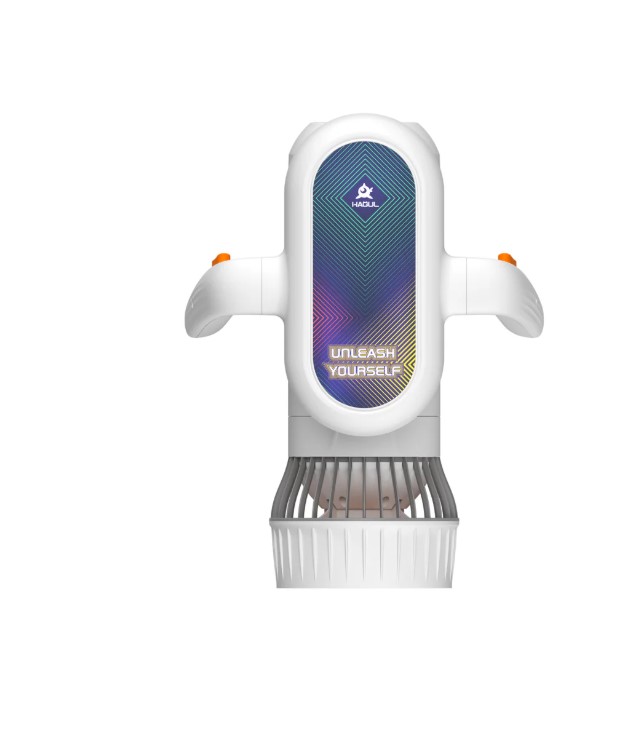
Direct Comparison: Hagul EZ vs. WhiteShark MixPro
Before unpacking the physical performance of the Hagul EZ, we need to clarify where it sits relative to its sibling, the WhiteShark MixPro. The search for a "Sublue MixPro Underwater Scooter: Complete Review" often leads buyers to a crossroads between these two models. While they share core propulsion DNA, they cater to distinctly different operational profiles.
The WhiteShark MixPro features a dual-propeller layout, a removable lithium-ion battery system, and a depth rating of 40 meters (131 feet). This makes the MixPro more appealing to recreational scuba divers who routinely descend below standard recreational snorkeling depths. On the flip side, the Hagul EZ utilizes a highly integrated, single-unit design with an internal battery, a depth limit of 15 meters (49 feet), and a highly streamlined chassis. It is built explicitly for simplicity, durability, and hassle-free operation.
By comparing these two, it becomes clear that while the MixPro targets the traditional recreational scuba market, the Hagul EZ serves as a highly robust, low-maintenance entry point. It eliminates the single biggest failure point of most consumer underwater electronics: battery compartment O-ring maintenance. Because the Hagul EZ battery is sealed permanently inside the chassis at the factory, you never have to worry about a grain of sand or a stray hair causing a catastrophic flood during a battery swap.
Deep Dive: Hydrodynamics and Propulsion Mechanics
When you trigger the Hagul EZ under water, you immediately notice the lack of rotational torque. Cheap single-propeller pool scooters have a tendency to twist your wrists because of the rotational force of the motor. Sublue has engineered the internal ducting and stator vanes of the Hagul EZ to neutralize this torque. The water exit path is straightened as it leaves the nozzle, producing a clean, linear thrust vector that pulls you smoothly without forcing you to constantly fight to keep the nose straight.
The propulsion system operates on two distinct speed settings:
- Eco Mode (1.1 m/s / 2.46 mph): Ideal for leisurely cruising along shallow reefs. It maximizes battery longevity and matches the natural swimming pace of an active snorkeler, allowing you to stay in step with buddy teams without constantly overshooting them.
- Sport Mode (1.4 m/s / 3.13 mph): Provides the extra punch needed to cut through mild coastal currents or head back to your entry point when you are feeling fatigued. It delivers a noticeable pull that requires a firm, two-handed grip.
Understanding drag dynamics is critical here. Your body position dictates how efficient this scooter will be. If you ride with your elbows bent and your legs dangling, you create an enormous amount of hydrodynamic drag, which forces the motor to draw more current and depletes the battery faster. To get the most out of the Hagul EZ, you want to lock your arms straight, tuck your chin, and align your body directly behind the slipstream created by the scooter's nose cone. This technique minimizes the frontal area of your body, reduces drag, and directly extends your run time in the water.
Diver's Field Insight: Buoyancy Mechanics
The Hagul EZ is engineered with slightly positive buoyancy. If you let go of the triggers while at depth, the unit will slowly rise to the surface instead of sinking into the blue. This is a critical safety feature for snorkeling and shallow freediving. However, if you are diving in salt water, the positive buoyancy will feel slightly more pronounced than in fresh water. Always use the included wrist lanyard so that a sudden wave or distraction doesn't send your scooter drifting away on the surface current.
The Power Source: Integrated Lithium-Ion Safety and Travel
The battery architecture of the Hagul EZ is one of its most compelling, yet polarizing features. Let's look at the facts. The unit houses an integrated 92.88 Wh lithium-ion battery. Because the battery is non-removable, you cannot swap in a fresh pack at the beach to keep diving all day. Once the battery is depleted, you must dry the unit, hook it up to the charger, and wait approximately 2.5 hours for a full charge.
While this might seem like a drawback compared to the WhiteShark MixPro, the benefits in terms of reliability are massive:
- Zero O-Ring Failures: Over 80% of flooded underwater cameras and scooters are caused by improper user maintenance of battery compartment seals. By completely sealing the battery inside the chassis, Sublue has made the Hagul EZ practically immune to user-inflicted flooding.
- TSA Carry-On Compliance: Federal Aviation Administration (FAA) and international aviation guidelines restrict lithium-ion batteries over 100 Wh on commercial flights. Because the Hagul EZ battery is rated at 92.88 Wh, it falls comfortably under this limit. You can pack it in your carry-on luggage without requiring special airline approval. *Always verify with your specific airline beforehand, as local security screeners have final authority.*
- Smart Battery Management System (BMS): The internal BMS prevents overcharging, over-discharging, and short-circuiting. It also monitors the temperature of the cells during fast charging, extending the overall lifespan of the battery pack.
For charging, the scooter features external, gold-plated magnetic contacts. You don't open any caps or plugs; you simply snap the magnetic charging adapter onto the contacts. This system ensures that even if you connect the charger while there is still a trace of moisture on the pins, the physical isolation prevents any water from entering the internal electronics. However, to prevent long-term galvanic corrosion, you should always rinse the charging port with fresh water and dry it thoroughly with a micro-fiber towel before connecting the charger.

Ergonomics, Control, and Safety Systems
How does the Hagul EZ handle when you're actually in the water? The grip geometry is designed to reduce muscle strain in your forearms. Unlike some DPVs that require a constant, exhausting pinch grip, the dual-trigger design on the Hagul EZ distributes the force across your entire hand. To activate the motor, you must depress both triggers simultaneously. This dual-trigger interlock is an essential safety feature; it prevents accidental activation if the scooter is bumped while on a boat deck, a crowded beach, or when handling it around children.
If you release either trigger, the propeller stops spinning almost instantly. The drive system utilizes an electronic brake that halts the impeller shroud, ensuring that if you drop the unit or get it tangled in seagrass, the motor cuts out before causing damage to the internal gears or creating a safety hazard. The propeller itself is deeply recessed within a protective ducting shroud, making it physically impossible for stray fingers, loose hair, or marine life to make contact with the spinning blades.
The control panel on the nose of the unit features a highly intuitive LED indicator array. This array displays your remaining battery life using a simple color-coded system:
- Green: Battery capacity is above 50%, giving you plenty of runway for exploration.
- Orange: Battery is between 20% and 50%. This is your cue to begin navigating back toward your entry point or boat.
- Red: Battery is below 20%. The system will automatically throttle down the top speed to conserve energy, ensuring you have enough power reserve to make a controlled ascent and return to shore.
Technical Specifications and Real-World Metrics
Let's strip away the marketing language and look at the physical realities of operating the Hagul EZ. Based on our extensive evaluations and analyzing the Official Manual, here is what you can realistically expect from this scooter in terms of performance and physical footprint:
- Physical Dimensions: 375 mm x 295 mm x 202 mm (14.7" x 11.6" x 7.9"). It easily fits into a standard 45L travel backpack along with your mask, fins, and snorkel.
- Dry Weight: 3.5 kg (7.7 lbs). This is light enough for a child to carry down the beach without struggling, and it won't push your airline baggage limits into the red.
- Run Time Profile: While the factory paperwork lists "up to 50 minutes," real-world dive times depend heavily on user weight, water temperature, and speed selection. If you run the unit continuously in Sport Mode (1.4 m/s) with a full adult payload, expect the battery to reach the red zone in approximately 25 to 30 minutes. If you pulse the trigger and stick to Eco Mode (1.1 m/s) while snorkeling, you can easily stretch the session to 45 or 50 minutes.
- Depth Rating: 15 meters (49 feet). This is more than adequate for recreational snorkeling and breath-hold freediving. However, if you are a certified scuba diver planning to explore deep wrecks or wall dives, this depth limitation is a hard boundary. For deep technical diving, you would need to step up to a dedicated scuba DPV or a unit like the MixPro, which is depth-rated to 40 meters.
Community Perspectives and Real-World Usage
To provide an objective overview, we've analyzed user discussions across major platforms, including the official Reddit Sublue Community and various diving forums. The feedback is remarkably consistent:
- The Positives: Users love the build quality and the sheer ease of use. Families praise how safe it feels for teenagers in controlled bay environments. Travel-focused divers frequently note how easily it passes through airport security compared to custom-built dive lights or larger scooters with heavy lead-acid batteries.
- The Criticisms: The primary critique centers around the charge time. Because the battery is integrated, you can't just slap in a spare and jump back in. If you have a family of four trying to share one scooter, someone is going to end up waiting on the beach while it plugs into the wall.
Evaluating Sublue's Brand Credibility and Customer Support
When you invest in underwater electronics, you aren't just buying plastic and copper; you're buying into the manufacturer's engineering standards and customer support ecosystem. Sublue has established itself as one of the few consumer-focused underwater scooter brands with a global support infrastructure. This is verified by their customer ratings on platforms like Trustpilot, where they maintain a strong presence compared to nameless, generic import brands that flood online marketplaces.
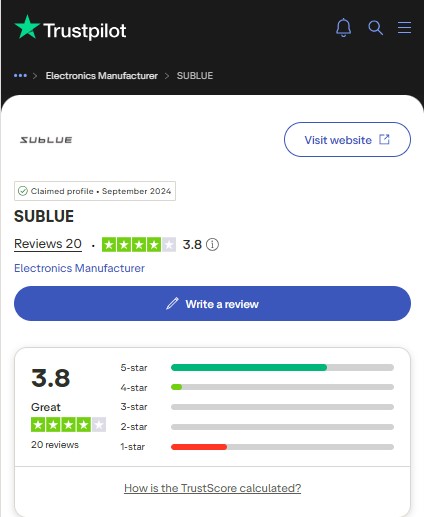
Before pulling the trigger on a purchase, you should thoroughly understand your consumer protections and the manufacturer's policies. Here is a clear breakdown of the logistics, warranties, and support channels provided by Sublue:
- Warranty Protection: Sublue provides a structured warranty policy that covers the main body of the scooter against manufacturing defects. It is critical to note that the warranty does not cover damage caused by flooding due to impact, modification, or neglecting the post-dive rinse instructions. You can review the complete terms directly on their official Warranty Policy Page.
- Shipping and Delivery: Orders placed directly through the official store are processed and shipped with specialized courier services designed to handle lithium-ion batteries safely. For details on shipping zones, delivery timelines, and customs clearance for international orders, check out the Shipping Policy Page.
- Customer Service Access: If you encounter a technical issue, require troubleshooting help, or need to order replacement parts (such as a replacement charger or wrist lanyard), you can contact their team directly via the channels listed on the Customer Support Directory.
- Payment and Security: Purchasing directly from the manufacturer ensures you receive an authentic unit with a valid warranty. The checkout process is secured with industry-standard SSL encryption and supports multiple modern payment protocols, which you can view on their Secure Payment Gateways.
Step-by-Step Guide: How to Operate and Maintain the Hagul EZ
To ensure your Hagul EZ operates flawlessly for years, you need to treat it like life-support equipment. Salt water is incredibly hostile to metals and plastics. By incorporating a few disciplined steps into your dive routine, you can prevent 99% of common maintenance issues.
For a visual demonstration of the scooter's handling characteristics, thrust power, and general maneuverability, watch this detailed video assessment:
1. Pre-Dive Inspection Checklist
- Examine the propeller duct for any debris, sand, or dried salt crystals. Spin the impeller manually with a clean finger to ensure it rotates freely.
- Inspect the external charging contacts on the chassis. They must be clean, dry, and free of any dark oxide layer.
- Verify that the LED battery indicator turns green when you power the unit on.
- Fasten the wrist strap securely to your arm and attach the metal clip to the leash mount on the handle of the scooter.
2. Launching and In-Water Handling
- Step into the water and submerge the Hagul EZ completely before initiating the motors. Do not run the motor dry on the beach or boat deck, as water acts as a cooling lubricant for the shaft seals. Running it dry can overheat the seals and lead to leaks.
- To descend, angle your wrists downward and pull yourself forward. The positive buoyancy means you will need to apply a tiny amount of downward physical pressure to maintain depth, but the motor's thrust makes this effortless.
- If you need to equalize your ears, release one trigger. The scooter will instantly drop to Eco speed or stop entirely, allowing you to easily reach your mask with your free hand to pinch your nose and equalize.
3. Post-Dive Cleaning Protocol (Non-Negotiable)
- The Fresh Water Soak: As soon as you exit the ocean, submerge the entire scooter in a tub of clean, fresh water for 10 to 15 minutes. This dissolves the salt crystals that form inside the motor housing and behind the propeller shroud.
- Trigger Flushing: While the unit is submerged in fresh water, press the triggers repeatedly to flush out any fine sand grains that might have worked their way into the trigger mechanisms.
- Thorough Drying: Remove the scooter from the rinse bucket and shake off any excess water. Wipe down the charging contacts with a dry towel. Never store the unit in a sealed plastic bin or a damp bag while it is still wet; allow it to air-dry completely in a shaded, well-ventilated area away from direct sunlight.
Pros and Cons: An Honest Diver's Perspective
No piece of diving gear is perfect. Every design choice is a compromise between weight, cost, power, and safety. To help you determine if the Hagul EZ fits your diving style, here is a balanced summary of its strengths and weaknesses:
The Pros (What We Love)
- Highly Reliable Waterproofing: No user-accessible battery compartment means there is virtually no risk of accidental flooding due to dirty O-rings.
- Exceptional Safety Engineering: The dual-trigger lock and fully enclosed propeller shroud make this the safest scooter on the market for teenagers and family use.
- Seamless Travel Companion: At 7.7 lbs and 92.88 Wh, it easily complies with TSA carry-on standards for effortless air travel.
- Zero Torque Pull: Balanced stator vanes deliver linear, clean thrust without straining your wrists during extended use.
The Cons (What to Keep in Mind)
- No Swappable Batteries: Once the battery runs dry, your dive day is paused for a 2.5-hour recharge cycle.
- Limited Depth Rating: The 15-meter (49-foot) limit restricts this unit to shallow reefs, preventing its use on deep scuba or technical wreck dives.
- Modest Speed: While 1.4 m/s is great for cruising, it will not pull you through heavy tidal flows or intense ocean currents.
The Verdict: Who is the Hagul EZ Designed For?
The Sublue Hagul EZ is not a technical exploration tool designed for deep cave penetration. If that is what you need, you should look elsewhere and prepare to spend thousands of dollars on a heavy commercial DPV. Instead, the Hagul EZ is designed to be the ultimate user-friendly recreational scooter.
If you are a recreational snorkeler who wants to double your exploration range, a freediver looking for an easy pull down to 10 meters without burning up your oxygen reserves, or a traveling vacationer who wants a high-quality, airline-compliant water toy that won't leak on your first trip, the Hagul EZ is an outstanding investment. By removing the stress of O-ring maintenance and designing a highly balanced, safe propulsion system, Sublue has created a water companion that simply works every time you jump in.

0 Comments