
Sublue 180° Panoramic Diving Mask & Snorkel Set Review: Field Tested Performance
If you're searching for a diving mask full face setup or an ultra-wide field-of-view mask, safety and optical clarity are your main priorities. The Sublue 180° Panoramic Tempered Glass Mask and Snorkel Set is built for surface snorkelers, skin divers, and underwater scooter users who want an expansive view without the dangerous carbon dioxide (CO2) retention or equalization headaches common in cheap single-piece full-face snorkeling masks. Featuring shatter-resistant tempered glass, a soft liquid silicone seal, and a dry-top splash guard with a lower purge valve, this set delivers clean vision and reliable sealing down to moderate depths. If you want a wide field of view while retaining quick access to your nose pocket for ear equalization, this kit is definitely worth considering.
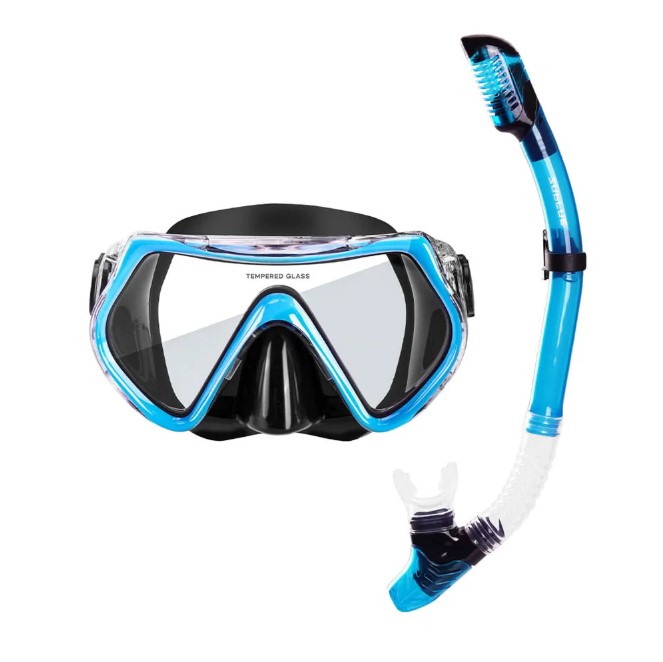
Ready to Upgrade Your Underwater Vision?
Get the genuine Sublue 180° Panoramic Mask Set with direct factory warranty and fast delivery.
Claim Your Discount on the Official Sublue Website🔒 Purchases are completed securely on the official Sublue store. An automatic discount is applied at checkout via this link.
Why Choice of Mask Design Matters: Full-Face vs. Panoramic Mask & Snorkel Systems
Over thirty years of diving all over the world—from cold quarry drop-offs in North Carolina to tropical reefs in Florida and Hawaii—teaches you one thing quickly: bad gear ruins good dives. When divers ask about a diving mask full face setup, they usually mean one of two things: a single-piece integrated full-face mask that covers the eyes, nose, and mouth in one large chamber, or a wide-angle 180° panoramic dive mask paired with a high-flow dry snorkel.
Understanding the distinction between these two designs isn't just about personal preference; it's a critical safety issue that affects your breathing, your ears, and your overall water comfort.
1. Carbon Dioxide (CO2) Buildup and Safety Dynamics
Integrated plastic full-face snorkeling masks gained popularity because they let beginners breathe through their nose on the surface. However, cheap models suffer from a major design flaw: a large internal volume (dead space). When you breathe out inside a single large chamber, a portion of that exhaled carbon dioxide stays inside the mask. If you breathe hard while swimming against a mild current, you end up re-breathing that trapped CO2. This can lead to headaches, dizziness, hyperventilation, or sudden panic underwater.
A dedicated 180° panoramic mask separates the breathing pathway completely from the visual cavity. Air travels in and out through a dedicated dry-top snorkel mouthpiece, leaving zero excess dead space inside your eye compartment. You get an expansive, wide-open visual range without risking air stagnation or CO2 buildup.
2. Ear Equalization and Depth Limits (Boyle's Law in Practice)
Physics doesn't care how comfortable a mask feels on the beach. As you submerge, ambient water pressure increases rapidly. For every 33 feet (10 meters) you drop, pressure increases by one full atmosphere (14.7 psi). According to Boyle's Law, the air inside your ears and inside your mask compresses as depth increases.
To prevent painful ear barotrauma or severe "mask squeeze" (where the air space inside the mask contracts and pulls on your eyes and facial capillaries), you must equalize. Equalization requires pinching your nose and blowing gently through your nostrils to push air up the Eustachian tubes into your middle ear, as well as exhaling slightly through your nose to balance the pressure inside your mask.
Integrated surface full-face masks cover your nose behind a rigid plastic shell, making it impossible to reach your nostrils with your fingers. That limits those masks strictly to surface floating (0–3 feet depth). The Sublue 180° panoramic mask features a soft, flexible silicone nose pocket. Whether you're surface snorkeling or diving down 15 to 20 feet to take a closer look at a coral formation, you can easily reach up and pinch your nose to equalize your ears instantly.
In-Depth Construction Breakdown: Materials & Structural Integrity
When inspecting underwater eye protection, build materials dictate both clarity and longevity. Let's look closely at how the Sublue 180° Panoramic set is constructed.
Optical Lenses: Tempered Glass vs. Polycarbonate Plastic
Many cheap snorkeling masks use polycarbonate (plastic) lenses. Plastic scratches easily from coarse beach sand, degrades when exposed to UV sunlight, distorts light rays underwater, and fogs up rapidly. Polycarbonate also cannot handle standard anti-fog treatments like light abrasive cleaning.
The Sublue mask uses certified tempered glass. Tempered glass undergoes a thermal treatment process that makes it four to five times stronger than standard plate glass. Here is why tempered glass is essential for underwater masks:
- Impact and Depth Resistance: Handles pressure spikes and accidental drops onto boat decks without shattering into dangerous shards. If it ever breaks, it crumbles into small, rounded granules rather than sharp splinters.
- Refractive Clarity: Tempered glass offers superior light transmission. Water has a refractive index of approximately 1.33, while air is 1.00. Glass sits closer to water's refractive qualities than plastic, minimizing optical distortion and keeping objects appearing at their true distance and size.
- Thermal and Chemical Stability: It tolerates commercial anti-fog sprays, baby shampoo solutions, and deep cleaning pastes without hazing or micro-scratching.
Silicone Skirt Dynamics: Liquid Silicone Injection Molding
A mask is only as good as its seal. Sublue uses high-grade, hypo-allergenic liquid silicone for the inner skirt and nose pocket. Cheaper masks often use stiff PVC or lower-tier rubber blends, which stiffen in cold water and create painful pressure points along your forehead and cheekbones.
The Sublue silicone skirt features a double-feathered edge design. The soft inner rim conforms tightly against varying facial contours—including high cheekbones, narrow jaws, and wide foreheads—creating a reliable seal. Because the silicone remains soft across water temperatures ranging from 55°F to 85°F, you won't need to over-tighten the head strap to stop leaks.
Hydrodynamic Snorkel Architecture: Dry-Top Mechanism & Purge Chamber
The included snorkel uses a two-part water management system that keeps your airway clear while swimming:
- Dry-Top Float Valve: Located at the top intake tube, an internal buoyant float mechanism automatically rises and seals the airway tube the second a wave washes over you or when you submerge your head. When you resurface, the float drops down immediately, letting you breathe naturally without swallowing seawater.
- Bottom Purge Valve & Water Collector: Any small drops of water that trickle into the tube settle in a small reservoir below the mouthpiece, completely separated from your breathing channel. A simple, soft exhalation forces that water out through a one-way silicone purge valve at the bottom of the snorkel.
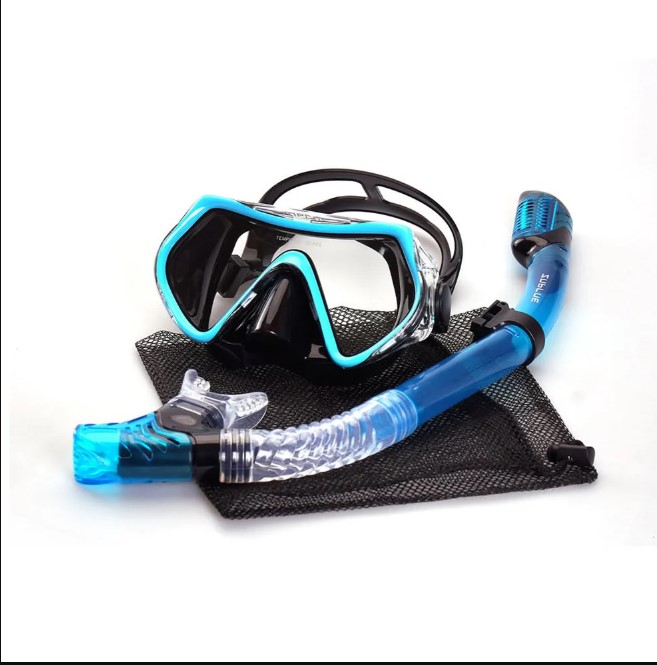
Real-World Testing: Performance in Diverse Water Conditions
To write an honest evaluation, gear must be tested in real-world water conditions, not just pulled out of a box on a dry desk. We put this mask through three distinct aquatic environments to evaluate seal stability, visual tracking, drag, and ease of breathing.
Scenario 1: Shallow Reef Snorkeling & Surface Swim Exertion (0–10 Feet)
During surface swimming along coastal reefs, the primary goal is unbroken visual coverage without having to constantly drain leaking water. The wide single-lens design combined with angled side windows creates a true 180-degree field of vision. You can easily track fish moving through your peripheral vision without turning your entire head, which saves neck strain during long swimming sessions.
The dry-top snorkel operated cleanly in mild surface chop. Wave crests washed over the snorkel tip without leaking sea water into the mouthpiece. The bite-wings on the silicone mouthpiece are comfortable on the teeth and jaw, keeping jaw fatigue low during continuous 45-minute swims.
Scenario 2: Shallow Free Immersion & Skin Diving (10–30 Feet)
Descending below the surface requires two critical performance checks: mask volume equalization and water seal under dynamic movement. As you dive down 15 feet, the increased water pressure compresses the silicone skirt flat against your face.
Because this mask maintains a relatively low internal air volume compared to bulky frame masks, equalizing internal mask pressure requires only a tiny puff of air exhaled through your nose. Pinching the soft silicone nose pocket to equalize your ears is natural and quick. Resurfacing and clearing the snorkel tube requires minimal effort—the lower purge valve drops residual water away immediately on your first strong exhalation.
Scenario 3: Powered Propulsion with Underwater Scooters (DPVs)
Pairing a wide-view mask with an underwater sea scooter (like Sublue's WhiteShark or Navbow series) creates unique hydrodynamic conditions. Water flows rapidly across the front of your face at speeds between 2.5 and 4.5 mph. Flat mask frames can drag and push down on your nose under fast water currents.
The low-profile outer frame of the Sublue set cuts cleanly through water drag. The ratcheting buckle system locks the head strap firmly in place, keeping the mask steady without shifting or breaking the facial seal during quick turns underwater.
Preventing Mask Fogging: Step-by-Step Conditioning Protocol
A common complaint with any brand-new mask is fogging during its first swim. New tempered glass masks leave the factory with a microscopic layer of silicone vapor residue deposited on the interior lens during manufacturing. If left untreated, moisture from your face and warm breath condenses onto this film, blinding your view within two minutes.
Follow this standard diver prep routine before taking your Sublue mask into the water for the first time:
Step 1: The Manufacturing Film Removal Scrub
Apply a small drop of classic, non-gel white toothpaste (like standard Colgate or Crest) to the inside surface of the dry glass lens. Using your clean thumb, rub the paste firmly over every square millimeter of the glass surface for 3 to 4 minutes. The mild abrasives in the toothpaste remove the oily factory silicone film without scratching the glass. Rinse thoroughly with warm fresh water. Repeat this step twice.
Step 2: Pre-Dive Defog Application
Before every dive session, apply a dedicated anti-fog drop, a diluted baby shampoo mixture (5 parts water to 1 part baby shampoo), or clean saliva onto the dry interior lens. Spread the liquid evenly across the glass, give it a quick 2-second rinse in clean water, and put the mask on immediately. Avoid touching the inner glass with dirty fingers after applying defogger.
Step 3: Managing Facial Temperature Differences
Overheating before stepping into the water causes hot skin to transfer warmth to the air inside the mask. Wash your face with ambient sea water or pool water right before putting your mask on. Cool skin reduces air temperature variance, keeping fog from forming inside the glass.
Community Feedback, Real User Reviews & Social Proof
An honest buyer's guide looks beyond manufacturer marketing claims and examines real user experiences across the global diving community. We researched forum threads, video field tests, and buyer sentiment to verify long-term product performance.
Sublue Trustpilot Rating & Customer Satisfaction
Sublue maintains a strong presence across global gear forums and verified merchant platforms. You can check their public rating profile directly on Trustpilot's official Sublue platform review page.
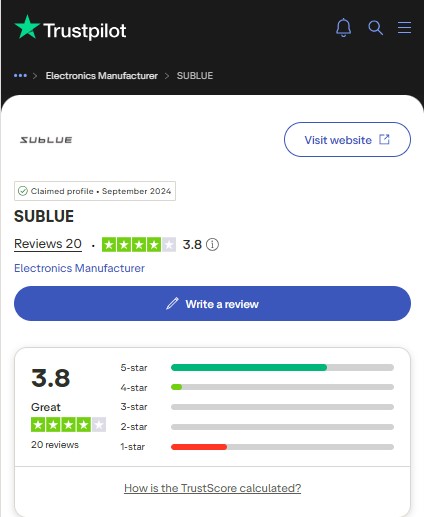
Verified buyers frequently highlight Sublue's responsive order tracking, solid protective packaging, and straightforward warranty replacement process. Users routinely praise the mask set's durable construction, smooth strap buckles, and comfortable, leak-free silicone seal.
Diving Community Discussions on Reddit
On Reddit's main diving forum, r/scuba, experienced divers regularly discuss equipment choices for surface snorkeling and shallow diving. In discussions like this Reddit thread on dive mask and snorkel selection, the community consensus is clear:
- Experienced divers consistently recommend traditional mask and snorkel sets over integrated plastic full-face masks due to safety considerations, air volume control, and nose access for equalization.
- High-quality tempered glass combined with a real dry-top valve is widely considered the safest and most reliable setup for both recreational snorkelers and certified divers.
In-Depth Video Breakdown & Visual Field Test
To see how a high-visibility panoramic mask set performs in action, check out this detailed video review highlighting mask fit, field of view, and purge mechanics underwater:
You can also access the full video directly on YouTube's review stream for extra commentary on underwater clarity and mask comfort.
Official Documentation, Ordering, Warranty & Logistics
When purchasing personal water safety equipment, buying through official, authorized channels guarantees genuine gear, full warranty coverage, and quick access to customer support.
1. Official User Documentation & Operating Manuals
Before using your equipment, review the official safety procedures provided in the Sublue Official Product User Manual. It provides precise instructions on buckle adjustment, skirt positioning, and dry valve maintenance.
2. Factory Warranty Protection Plan
Buying direct from the manufacturer ensures your gear is covered against manufacturing defects. Review the specifics on the Official Sublue Warranty Policy Page. Factory coverage protects against skirt splitting, buckle failure, and valve defects under normal use conditions.
3. Shipping Timelines & Global Fulfillment
Orders are dispatched through secure regional logistics centers. Check delivery schedules, tracking procedures, and international destination options directly on the Sublue Global Shipping Policy Page.
4. Secure Checkout & Payment Options
Purchases made through the official checkout system use 256-bit SSL encryption. You can complete your transaction securely via major credit cards, Shop Pay, PayPal, or Apple Pay on the Sublue Encrypted Checkout System.
5. Customer Service & After-Sales Support
If you need assistance with order changes, spare parts, or fitment questions, reach out directly to customer service via the Sublue Customer Support Portal.
Comparative Feature Matrix: Evaluating Your Options
To give you a clear overview of how different underwater masks perform, here is an objective comparison across key technical metrics:
| Feature Metric | Sublue 180° Panoramic Set | Cheap Surface Full-Face Mask | Standard Dual-Lens Mask |
|---|---|---|---|
| Lens Material | ANSI Certified Tempered Glass | Polycarbonate Plastic | Standard Tempered Glass |
| Field of View (FOV) | 180° Panoramic Continuous | 180° Boxed Visual | 120° – 140° Divided Visual |
| Nose Access for Equalization | Yes (Soft Silicone Pocket) | No (Blocked by Plastic) | Yes (Soft Silicone Pocket) |
| CO2 Dead Space Risk | Zero (Isolated Airway) | Moderate to High Risk | Zero (Isolated Airway) |
| Dry-Top Float Valve | Included (Auto Sealed) | Integrated Valve System | Varies by Snorkel Choice |
| Depth Safety Rating | Recreational Surface & Freediving | Strictly Surface Floating (0-3 ft) | Recreational & Deep Diving |
| Resistance to Scratching | High Resistance | Low (Scratches Easily) | High Resistance |
Comprehensive Fitment & Maintenance Protocols
Even the best diving mask will leak if fitted incorrectly or poorly maintained. Follow these professional tips to ensure a reliable seal every time you hit the water.
How to Perform a Proper Dry Fit Test
Before heading to the beach or pool, test your mask fit at home without using the head strap:
- Push back any hair away from your forehead and temples.
- Place the mask against your face without placing the strap over your head.
- Breathe in gently through your nose.
- Let go of the mask with your hands. If the mask stays sealed tightly against your face through suction alone, it fits your facial structure properly.
Dealing with Facial Hair and Leak Patterns
Mustaches and stubble break the silicone seal along your upper lip, allowing water to trickle in. If you have facial hair, apply a small dab of silicone grease or petroleum jelly (like Vaseline) to your mustache right before putting the mask on. This creates a temporary barrier that blocks micro-leaks without pulling on hair.
Post-Dive Care and Long-Term Storage
Salt crystals act like tiny razor blades against silicone skirts and purge valves. After every swim in salt water or chlorinated pools, complete these maintenance steps:
- Rinse the mask and snorkel thoroughly in fresh, clean warm water.
- Gently press the purge valve at the bottom of the snorkel to flush out sand particles trapped inside the housing.
- Let the gear air-dry completely in a shaded, well-ventilated area away from direct sunlight. High UV rays degrade silicone over time.
- Store your mask in a protective hard case so the tempered glass doesn't scratch or crack against heavy gear during transport.
Frequently Asked Questions (FAQ)
Q: Can I use this mask if I wear prescription glasses?
A: Eyeglass frames prevent the flexible silicone skirt from sealing flat against your temples, causing water to leak in continuously. You cannot wear glasses under this mask. However, you can wear soft disposable contact lenses under the mask without issue, or order custom corrective optical stick-on lenses that attach directly to the inside surface of the tempered glass.
Q: How does this design differ from integrated full-face masks sold in big-box stores?
A: Integrated full-face masks encase your entire face behind a large plastic visor. While they let surface swimmers breathe through their nose, they present CO2 buildup risks and block access to your nose, making pressure equalization impossible. The Sublue 180° Panoramic Set pairs an ultra-wide panoramic tempered glass mask with a separate dry-top snorkel. This gives you a wide field of view with safe airway separation and quick access to your nose pocket for easy ear equalization.
Q: What should I do if water gets into my mask while swimming?
A: Clearing a traditional mask is simple. Look up slightly, press the top frame of the mask against your forehead with your hands, and exhale steadily through your nose. The exhaled air builds pressure inside the mask, forcing water out through the bottom silicone skirt edge.
Q: Does the dry-top snorkel choke off airflow when swimming fast?
A: No. The dry-top mechanism uses a balanced internal float valve. It remains open during surface swimming and heavy exhalation. The valve only closes when submerged or when hit by incoming wave chop. The inner air tube features a wide bore diameter, providing natural airflow during surface swims.
Q: Is this set suitable for children?
A: This set is sized for standard adult and young adult facial structures. If a mask is too large for a small child's face, the skirt will overlap onto their hairline or upper lip, preventing a tight seal. For younger kids, choose a child-specific mask sized for smaller facial profiles.
Q: How do I remove water that gets into the snorkel tube?
A: The snorkel includes a one-way purge valve built into the lower reservoir. Simply exhale firmly through your mouth into the mouthpiece. The air pressure pushes trapped water down and out through the purge valve instantly, clearing your airway without needing to lift your head out of the water.
Q: Can I take this mask down to scuba diving depths?
A: Yes. The heavy-duty tempered glass lens and liquid silicone seal meet standards for recreational scuba diving depths. Because you can pinch your nose through the flexible nose pocket and equalize internal mask volume by blowing through your nose, it performs well for both skin diving and scuba diving.
Final Verdict: High-Visibility Clarity Without Safety Compromises
For surface snorkelers, skin divers, and underwater scooter users, the Sublue 180° Panoramic Tempered Glass Diving Mask & Snorkel Set offers a balanced combination of wide visual coverage, physical safety, and long-term durability. It avoids the safety hazards, CO2 accumulation risks, and equalization limitations of integrated plastic full-face masks, while delivering clear vision through certified tempered glass lenses.
With its soft liquid silicone seal, easy-adjust ratcheting buckles, and reliable dry-top snorkel valve, it's a solid investment for anyone who wants high performance and clear vision in the water.
Upgrade Your Underwater Gear Today
Enjoy crystal-clear 180° panoramic vision with direct warranty coverage from the official store.
Buy the Sublue Panoramic Set Directly from the Official Site✅ Automatic discount applied at checkout. Orders ship directly from Sublue's authorized fulfillment network with full manufacturer warranty protection.

0 Comments