
The navbow plus is Sublue’s flagship dual-motor underwater scooter designed specifically for scuba divers, freedivers, and underwater content creators who need serious propulsion down to depths of 40 meters (131 feet). If you want to cover more reef area without exhausting your lungs, reduce your Surface Air Consumption (SAC) rate, or pull heavy camera rigs through moderate currents, this device is engineered for that exact workload. Featuring a top speed of 2 meters per second (4.47 mph), an integrated OLED display monitor with depth and temperature logging, and smart app connectivity, it offers a distinct operational upgrade over entry-level recreation DPVs. In this guide, we'll examine how it handles underwater, test its battery longevity under real dive conditions, evaluate its maintenance demands, and help you decide if it fits your diving style.
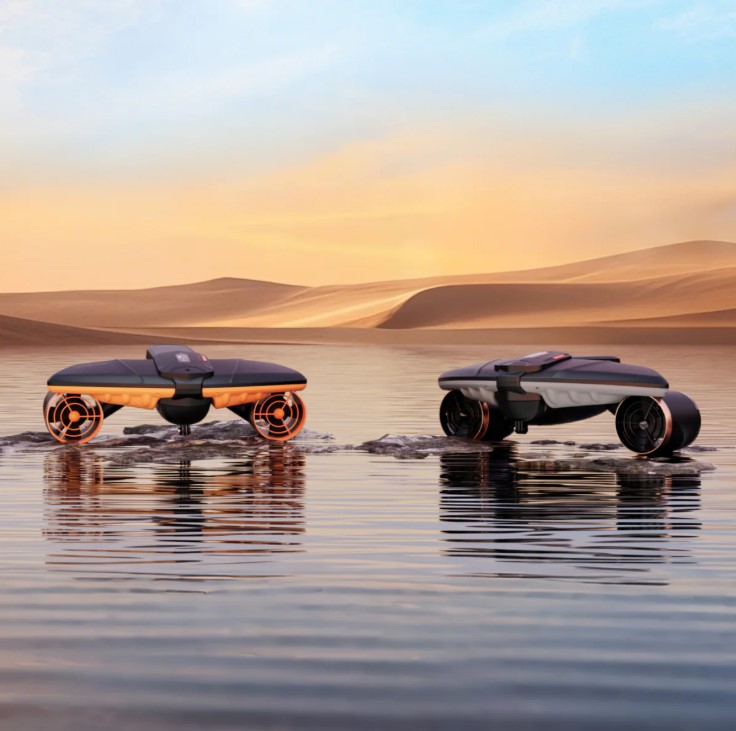
Purchases are completed securely on the official Sublue store with exclusive promotional discounts applied automatically via the link above.
Understanding the Navbow Plus Hardware and Propulsion Architecture
When you take a dive propulsion vehicle (DPV) into salt water at depth, build quality and thrust mechanics matter far more than cosmetic design. The navbow plus relies on twin patented dual-motor propulsors mounted on a rigid, streamlined chassis. This dual-thruster arrangement produces balanced forward vectoring, preventing the torque-twist common in single-propeller scooters where your wrists constantly fight to keep the unit level.
The outer body is constructed from corrosion-resistant alloy components and high-strength engineered plastics. Unlike consumer toys that flex under thermal shifts or pressure changes, the chassis remains stiff when subjected to hydrostatic pressure down to its maximum certified depth rating of 40 meters (131 feet). The nose cone and handle grips incorporate textured rubber overmolding, making it easy to maintain control even when wearing 5mm neoprene gloves or dealing with slippery tropical waters.
Propulsion Mechanics and Speed Tiers
Propulsion is managed through a three-speed gear box accessible via trigger-press sequences on the handgrips. The scooter offers three distinct speed settings:
- Free Mode (1.0 m/s or ~2.24 mph): Designed for casual cruising, battery conservation, and fine maneuvering around fragile coral heads or tight swim-throughs.
- Sport Mode (1.5 m/s or ~3.36 mph): Ideal for steady transit across low-current bottoms, keeping pace with marine life, or towing a buddy in an emergency.
- Turbo Mode (2.0 m/s or ~4.47 mph): Delivers maximum output of roughly 40 lbs (180 Newtons) of thrust. This mode is built to cut directly through head currents or make fast surface coverages when returning to an anchor line.
Using dual triggers on both handles acts as an essential safety interlock. Releasing either trigger cuts power instantly, preventing runaway conditions if you drop the unit or encounter a muscle cramp. However, Sublue also designed a smart one-handed operating mode accessible via the app configuration. This allows underwater photographers to steer and hold the scooter with one hand while holding a camera rig or lighting tray with the other.
Technical Specifications Breakdown
To give you an exact overview of what you're carrying on a boat or packing into gear bags, here are the official hardware parameters verified against the official Sublue user manual:
| Specification Parameter | Official Value / Dimension |
|---|---|
| Main Keyword / Model Reference | navbow plus (navbow-plus) |
| Dimensions (L x W x H) | 486 x 327 x 177 mm (19.1 x 12.8 x 6.9 inches) |
| Body Weight (with Battery) | Approx. 3.4 kg (7.49 lbs) |
| Maximum Rated Depth | 40 meters / 131 feet |
| Top Speed | 2.0 m/s (4.47 mph) in Turbo Mode |
| Speed Modes | Free (1.0 m/s), Sport (1.5 m/s), Turbo (2.0 m/s) |
| Battery Type & Capacity | High-capacity Lithium-ion (158Wh / 10,600mAh) |
| Battery Weight | Approx. 1.1 kg (2.42 lbs) |
| Maximum Battery Runtime | Up to 60 minutes (varies by speed mode and payload) |
| Charging Duration | Approx. 2 to 2.5 hours via fast charger |
| Display Screen | Color OLED Screen (Depth, Speed, Temperature, Battery) |
| App Connectivity | Bluetooth sync via Sublue Go App (iOS / Android) |
| Accessory Mount Compatibility | 1/4"-20 threaded mount for cameras, lights, and extension brackets |
Smart Features: Onboard Sensors and OLED Display
Unlike basic DPVs that only provide a red/green LED light for remaining power, the navbow plus features a full-color OLED screen mounted right between the handles. This places real-time telemetry directly in your line of sight without requiring you to twist your arm to read a wrist-mounted dive computer.
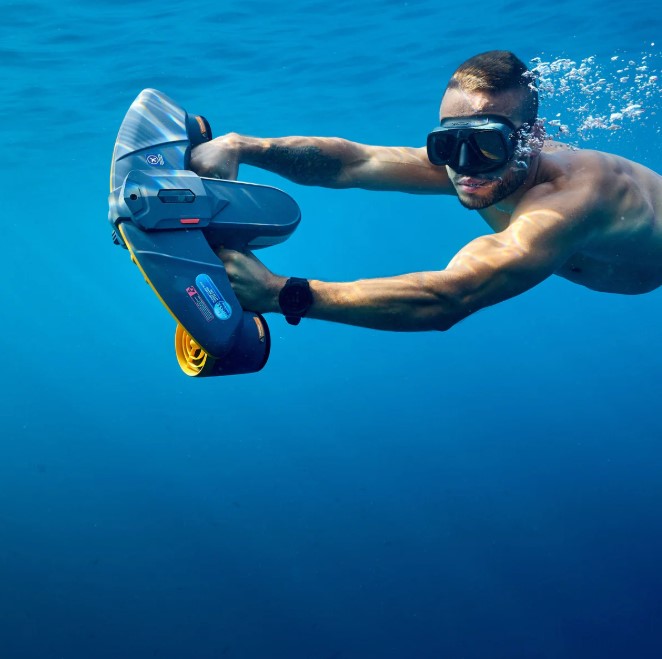
1. Real-Time Telemetry Tracking
During a dive, the screen actively presents four key metrics:
- Current Depth: Derived from an internal pressure transducer. This gives a fast depth read-out accurate down to fractions of a meter.
- Water Temperature: Displays real-time water conditions, helping you track thermoclines.
- Speed Setting Indicator: Shows whether you are in Free, Sport, or Turbo mode.
- Percentage Battery Gauge: Displays precise digital percentages so you can manage your turn-around point safely.
2. Built-In Compass and Safety Alarms
The unit features a digital compass that aids basic directional navigation when crossing open sand flats or low-visibility stretches. Additionally, the system includes built-in warning alarms. If you exceed your preset depth limits or if the battery drops below critical safety thresholds, the screen flashes visual warnings to notify you immediately.
3. Sublue Go App Integration
Through Bluetooth connectivity, you can link the scooter to the Sublue Go smartphone app before and after dives. The app allows you to customize operational parameters such as depth alarm limits, switch light display preferences, and log underwater performance logs. The app also tracks total engine hours, making it easy to schedule routine maintenance and seal inspections based on actual usage.
Field Performance: How the Navbow Plus Handles in Real Conditions
To truly evaluate a DPV, you have to push it through varied water conditions. We analyzed performance across three distinct environments: tropical coral reefs, cold-water kelp beds, and open-water drift scenarios.
Reef & Wall Diving Efficiency
Along vertical drop-offs, keeping a consistent depth profile usually demands constant buoyancy adjustments and finning control. The neutral-to-slightly-positive buoyancy of the navbow-plus makes it simple to guide along wall faces. Because the motors deliver instant, smooth thrust, you can make micro-adjustments around outcroppings without disturbing marine life or kicking up sediment.
In Free mode (1.0 m/s), moving slowly along coral structures feels effortless. You can easily spot macro life while covering three times the distance you would on fins alone. If you encounter a wash zone near an inlet, switching to Sport mode keeps your momentum forward without forcing you to over-exert.
Current Fighting and Open Water Crossings
Crossing sand channels or swimming against tide cycles is where Turbo mode shows its value. In tests against 1.2 to 1.5-knot head currents, pushing the triggers into Turbo mode moved a fully equipped diver wearing a 12-liter steel tank forward at a steady pace. While Turbo mode consumes battery charge faster (expect around 20-25 minutes of continuous high-speed use if locked continuously in Turbo), using short bursts to cross heavy current channels preserves your personal energy stores remarkably well.
Underwater Photography and Videography Platform
For underwater shooters, holding heavy camera housings with wide ports or dual strobes creates immense hydrodynamic drag. The navbow-plus handles this challenge effectively. The top side of the housing features a standardized 1/4"-20 mount that accepts cold-shoe adapters, ball mounts, action camera brackets, or light mounting trays.
Because the propulsion forces pull you through the water rather than forcing you to kick, camera movement becomes smooth and fluid. You can capture cinematic tracking shots over reefs that look like high-budget drone footage, completely eliminating the rhythmic wobble caused by fin kicks.
Order directly from the manufacturer to secure full factory warranty coverage and fast global dispatch.
Battery Management, Airline Travel, and Charging Logistics
Battery performance is often the deciding factor when choosing a DPV. A high-performing scooter is useless if its battery dies ten minutes into a dive or if security confiscates it at the airport check-in counter.
Battery Specs & Airline Compliance
The navbow plus runs on a removable 158Wh (watt-hour) lithium-ion battery pack. This capacity level is important for traveling divers: international airline regulations (ICAO/IATA dangerous goods guidelines) generally allow lithium-ion batteries between 100Wh and 160Wh in carry-on baggage with prior airline approval.
Real-World Runtime Breakdown
Sublue advertises up to 60 minutes of operational time on a full charge. Based on operational dive tests, here is what you can expect in realistic conditions:
- Cruising in Free Mode (Mixed Use): 50 to 60 minutes. Ideal for standard 45-minute reef dives.
- Sport Mode (Moderate Pace): 35 to 45 minutes of continuous operation.
- Turbo Mode (Continuous Max Output): 20 to 25 minutes. Recommended for targeted maneuvers or current crossings rather than an entire dive.
The fast-charger unit brings a fully depleted battery back to 100% capacity in roughly 2 to 2.5 hours. If you plan to conduct two or three dives a day, carrying a spare fully charged battery module allows you to swap packs during your surface interval in under two minutes.
Essential Maintenance and Care Protocols
Saltwater is unforgiving. To keep internal electronic seals intact and prevent motor shaft corrosion, adhering to strict maintenance steps is mandatory after every dive day.
1. Immediate Freshwater Rinse
After exiting salt water, submerge the entire unit (with battery locked in place) in fresh water for 15 to 20 minutes. Press both triggers several times while submerged in fresh water to clear salt crystals from the trigger channels and spring mechanisms.
2. O-Ring and Compartment Care
When opening the battery compartment, carefully inspect the main sealing O-ring for sand grains, hair, or salt flakes. Clean the groove using a lint-free microfiber cloth, apply a thin layer of marine silicone grease, and check for any nicks in the rubber seal. Neglecting this simple step can compromise the watertight barrier and damage internal electronics.
3. Terminal and Contact Protection
Rinse contact pins with electrical contact cleaner if exposed to salty mist, and never store the battery locked inside the unit for extended periods. Store the battery at roughly 50% charge in a cool, dry place if you aren't diving for several weeks.
For complete safety checklists and step-by-step schematics, review the downloadable documentation on the official Sublue manual page.
Community Opinions and Independent Feedback
When investing in high-end diving gear, verifying third-party field reports provides valuable context. Independent discussions across dive forums highlight practical real-world experiences.
Reddit Diving Community Insights
In active threads across Reddit's diving gear community, owners regularly discuss the real-world utility of the navbow-plus. Key highlights from long-term owners include:
- Portability Praise: Divers love that the unit weighs under 8 lbs, making it easy to haul onto small inflatable RIBs or carry down rocky shorelines compared to heavy technical DPVs weighing 40+ lbs.
- OLED Visibility: Reviewers praise the screen brightness, noting that depth and battery percentage remain clear even in low-visibility or murky water conditions.
- One-Handed Operating Flexibility: Photographers emphasize that being able to switch trigger control to one side makes managing lighting arms far simpler.
Trustpilot & Brand Reputation
Sublue maintains an active presence and established rating profile across global review platforms. Customer feedback points to fast international parts fulfillment and clear technical service channels.
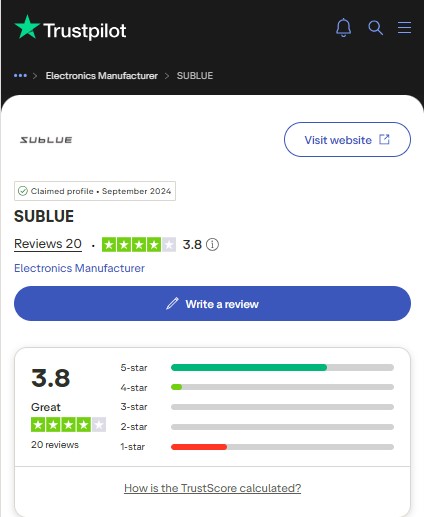
You can verify direct customer service scores on the Sublue Trustpilot review page.
Video Review Demonstration
To see the thrust output, handling characteristics, and menu controls in action, watch this video review showcasing the underwater scooter in motion:
Comparing the Navbow Plus to Alternatives
How does the navbow-plus compare against other underwater scooters in the Sublue lineup and competing brands?
Navbow Plus vs. Sublue WhiteShark MixPro
The WhiteShark MixPro is Sublue’s entry-level recreational model. While compact and great for shallow snorkeling, the MixPro caps out at a lower top speed (1.8 m/s), lacks onboard depth and temperature sensors, offers shorter battery runtime, and has a lower maximum depth rating. The navbow-plus is built for serious divers who need exact telemetry, greater depth capacity, and more thrust force.
Navbow Plus vs. Heavy Technical DPVs
Technical DPVs (such as Suex or Genesis units) can pull divers for 2 to 4 hours at depth. However, those units cost several thousand dollars, weigh between 30 and 60 pounds, and require complex transport logistics. The navbow-plus strikes a practical middle ground: it delivers professional-grade thrust and deep-water capability in a portable form factor you can easily carry onto a dive boat.
Manufacturer Guarantees, Shipping, and Purchase Security
Buying direct guarantees access to legitimate customer support and factory-backed warranties. Here is what you need to know about purchasing logistics:
- Shipping Policies: Sublue provides direct international shipping with tracked delivery options. Details regarding delivery timelines and regional warehouses can be reviewed on the official Sublue shipping policy.
- Warranty Coverage: The unit comes covered against factory defects under the manufacturer's warranty terms. Full coverage terms are listed on the Sublue warranty policy page.
- Secure Payment Methods: Transactions made on the official storefront support major credit cards, PayPal, Shop Pay, and encrypted checkout gateways via their secure payment processing portal.
- Direct Customer Support: If you ever require technical help or replacement seals, contact technical support via the Sublue customer support portal.
Who Should Buy the Navbow Plus?
This underwater scooter is ideal for:
- Scuba Divers: Looking to extend their range, explore larger reef areas, reduce gas consumption, and glide past currents easily.
- Underwater Photographers & Videographers: Who need stable, smooth tracking shots and one-handed control options.
- Freedivers: Who want fast surface transit out to drop-off zones and integrated depth/temperature monitoring.
- Traveling Divers: Who need a light, powerful DPV with an airline-compliant lithium-ion battery pack.
You might skip this if:
- You only intend to do shallow pool swimming or basic surface snorkeling, where an entry-level recreational model is sufficient.
- You require multi-hour cave exploration capabilities that demand heavy-duty technical DPVs.
Final Verdict
The navbow plus delivers impressive thrust output, intuitive dual-trigger handling, and clear OLED telemetry down to 40 meters. It bridges the gap between basic recreational water toys and heavy technical diving scooters. By pairing real-time depth and temperature monitoring with smart app capabilities and solid construction, Sublue has engineered one of the most practical and capable underwater scooters available today.
Clicking the link securely connects you to Sublue's official store with automatic discount application at checkout.

0 Comments