
Navigating the Deep: A Real Diver's Analysis of the Sublue Navbow+
Water scooters have evolved from luxury military gear into essential tools for modern divers. The Sublue Navbow+ is a specialized underwater scooter engineered for recreational divers, technical freedivers, and underwater photographers who need to cover large areas without exhausting their air supply. Its strongest benefit is its balance of speed—topping out at 2 meters per second—and its smart sensory array, including an integrated compass and depth alarm. If you want to maximize your bottom time, reduce gas consumption, and carry heavy camera rigs with ease, it is absolutely worth considering.
When you are fifty feet down, your equipment is not just gear; it is your life support and your means of exploration. Choosing the right propulsion unit requires looking past flashy marketing and analyzing how the machine handles real-world underwater physics, thermal management, and hydrodynamic resistance.
1. Propulsion System and Hydrodynamics
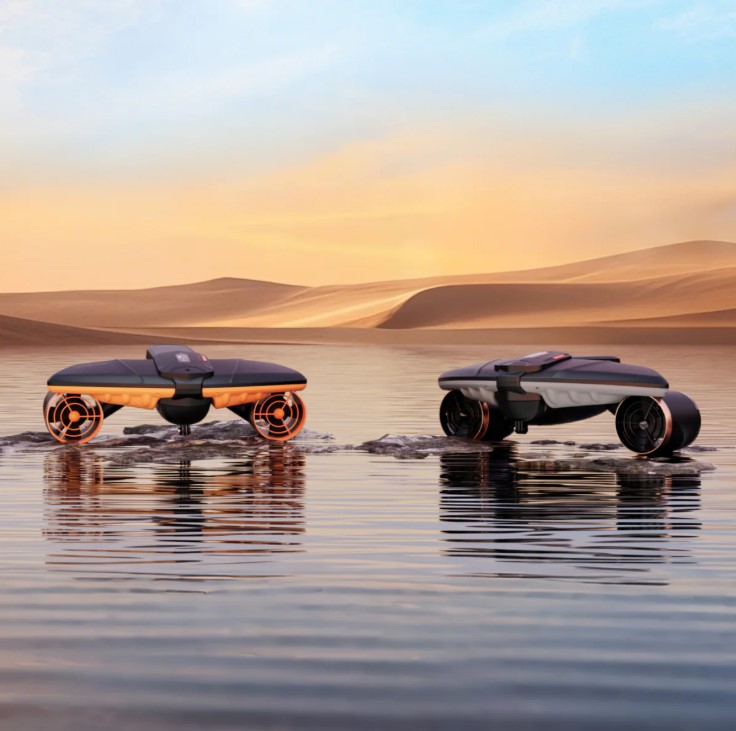
To understand why this unit moves through the water the way it does, we have to look at the dual-motor design. Many entry-level water scooters rely on a single central propeller. While simple, a single propeller creates a rotational torque effect, constantly trying to twist your wrists as you ride. The Navbow+ utilizes two symmetrical, counter-rotating propellers positioned on the outer flanks of the chassis. These counter-rotating blades cancel out each other's torque, resulting in a perfectly straight line of tracking without forcing the diver to constantly fight a rotational pull.
The propulsion system offers three distinct speed gears:
- Free Mode: Moves at approximately 1.0 m/s (2.24 mph). This setting is perfect for leisurely reef surveys, swimming alongside a buddy who is swimming manually, or conserving battery power during a long search-and-recovery pattern.
- Sport Mode: Steps up the pace to 1.5 m/s (3.36 mph). This is the workhorse gear. It provides enough velocity to make noticeable headway against mild tidal currents or channel outflows without draining the battery excessively.
- Turbo Mode: Unleashes the maximum speed of 2.0 m/s (4.47 mph). At this speed, the water resistance against your mask and body is significant. It is highly effective for crossing wide sandy expanses quickly, moving between isolated coral heads, or returning to a dive boat against a sudden head current.
| Speed Mode | Velocity (m/s / mph) | Estimated Runtime | Ideal Use Case |
|---|---|---|---|
| Free | 1.0 m/s (2.24 mph) | Up to 60 minutes | Reef exploration, buddy team diving, basic snorkeling |
| Sport | 1.5 m/s (3.36 mph) | Up to 40 minutes | Mild currents, open water navigation, deep reef transit |
| Turbo | 2.0 m/s (4.47 mph) | Up to 20 minutes | Strong head currents, fast channel crossings, emergencies |
The dual motors are brushless, which is crucial for underwater durability. Brushless motors lack physical brushes that rub against internal components, which eliminates friction wear and reduces heat generation inside the sealed motor housings. Water cooling is handled naturally by the flow of surrounding seawater over the aluminum motor casings, ensuring that even during extended runs in Turbo mode, the internal electronics remain well within safe thermal parameters.
2. Ergonomics and One-Handed Control Mechanics
Most water scooters require the diver to hold on with both hands at all times to maintain throttle and directional stability. If you let go with one hand, the safety cutoff switch triggers, immediately stopping the motor. While this is an excellent safety feature for beginners, it poses a major challenge for advanced divers, instructors, and underwater photographers.
If you cannot release one hand, how do you adjust a leaking mask? How do you clear your ears during a rapid descent? How do you check your dive computer, dump air from your buoyancy compensator (BCD), or adjust the manual focus ring on your camera housing?
The Navbow+ addresses this critical operational challenge by supporting true one-handed operation. The control layout allows you to lock the throttle control to either the left or right handle using a smart toggle system. The internal gyroscopic stabilization system works continuously behind the scenes, making micro-adjustments to the power output of each motor to ensure the scooter continues to track straight, even when you are holding it with only one hand. This frees up your secondary hand to manage your primary dive equipment, pull a line, check your depth gauge, or hold an external strobe light.
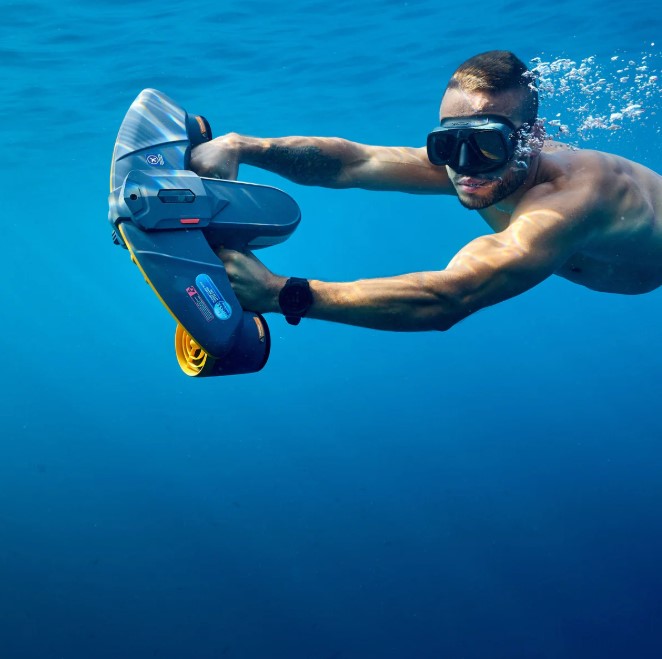
The handles themselves are covered in a textured, non-slip rubber grip. This texture provides excellent traction even when wearing thick 5mm neoprene gloves, which can often feel slippery on smooth plastic housings. The spacing between the handles is wide enough to prevent shoulder fatigue, keeping your arms in a natural, relaxed position that minimizes muscle strain during long drift dives.
3. The Smart Sensory Suite: Depth, Compass, and Alarms
What elevates this model from a basic mechanical propulsion device to an intelligent diving instrument is its integrated sensory package. It features a bright, full-color OLED screen mounted directly on top of the main body, angled upward toward the diver's mask for instant readability.
The onboard telemetry displays three crucial data points in real time:
- Digital Compass: Unlike traditional magnetic compasses that can get stuck if not held perfectly level, the electronic compass in this scooter is designed to self-compensate for tilt. It provides an accurate heading even when the nose of the scooter is pitched up or down during climbs or descents. This is an incredible asset when navigating featureless sandy bottoms, night diving, or executing search patterns in low-visibility lakes.
- Intelligent Depth Sensor: The unit continuously monitors your depth. Because depth transitions can happen rapidly when propelled by a motorized vehicle, the scooter features an integrated depth alarm system. You can program a target depth limit into the scooter before your dive. If you cross that threshold, the screen flashes a warning and the entire unit vibrates, alerting you to halt your descent. This acts as a critical safety backup to prevent accidental descents past your planned depth limit or your certification limits.
- Water Temperature Sensor: Tracking temperature gradients is important, especially when looking for thermoclines or diving near deep walls. The real-time temperature display lets you anticipate cold layers, allowing you to adjust your diving posture or prepare for a thermal shift before you find yourself shivering.
By placing this information directly in your line of sight on the scooter's display, you do not have to constantly twist your wrist to check your dive computer while trying to steer. It streamlines your underwater dashboard, keeping all high-priority flight data in a single, clear viewport.
4. Underwater Photography and Mounting Configurations
For underwater videographers and photographers, a water scooter is much more than a way to get from point A to point B. It is a highly stable, mobile camera platform. Standard swimming with a heavy camera rig creates natural, up-and-down body movement as you kick, which translates into shaky, hard-to-watch footage. The constant forward thrust of a dual-propeller scooter acts like an underwater steady-cam, smoothing out the minor tremors of your body and creating cinematic, gliding tracking shots.
The design features dedicated mounting options to accommodate various camera configurations:
Top Action Camera Mount: Located directly in the center of the main body is a standard three-prong interface designed for action cameras like GoPros. This positioning puts the camera's lens right in line with the scooter's centerline, allowing you to capture point-of-view footage that perfectly tracks your direction of travel. Because the camera is mounted directly to the rigid frame, it is entirely free from hand-shake.
Bottom Quarter-Inch Screw Thread: For more advanced setups, the bottom of the chassis features a standard 1/4-20 threaded mount. This allows you to attach heavy-duty camera trays, mechanical arms, or external lighting systems. You can mount dual video lights on flexible arms, positioning them wide enough to eliminate backscatter (the reflection of light off suspended particles in the water) while illuminating a wide field of view in front of you.
When rigging your camera, keep in mind how the added equipment affects buoyancy. The scooter is designed with a removable float block on top. If you attach a heavy camera tray or thick aluminum arms to the bottom, you can leave the float block in place to help offset the extra weight. If you are diving without any accessories, you can remove the float block to make the scooter more compact and neutral in the water column.
5. Battery Management, Safety, and Aviation Travel Rules
Let's talk about the heart of the machine: the battery. The unit is powered by a high-capacity, rechargeable Lithium-ion battery pack. Understanding battery specifications is absolutely critical because they dictate both how long you can dive and how you must travel with your gear.
The battery has a rating of 158.4 Watt-hours (Wh). For divers who travel internationally to reach pristine dive destinations, this number is incredibly important. The Federal Aviation Administration (FAA) and international aviation authorities (such as IATA) have strict rules regarding the transport of Lithium-ion batteries on commercial aircraft:
- Batteries 100Wh or less can be carried in carry-on baggage without prior airline approval.
- Batteries between 100Wh and 160Wh (which includes the Navbow+ battery) are allowed on commercial aircraft, but they must be packed in your carry-on luggage and require prior airline approval. You cannot pack them in your checked baggage under any circumstances due to cargo fire safety regulations.
When flying, always contact your airline's customer service desk at least 48 hours before your flight to let them know you are traveling with a 158.4Wh dive equipment battery. Keep the battery inside a protective lipo-safe bag within your carry-on, and make sure the battery terminals are protected with electrical tape or plastic caps to prevent short circuits. The physical battery casing has the technical specifications clearly printed on the exterior shell, which makes it easy for airport security staff to verify compliance quickly.
Regarding battery life on the boat, the quick-charge system can replenish a fully drained battery to 100% capacity in approximately two hours. This fast turnaround is a massive advantage when you are doing two-tank or three-tank boat charters, allowing you to recharge the battery between surface intervals so you never have to skip motorized propulsion on your afternoon dives.
6. Routine Maintenance and O-Ring Care
To ensure your scooter remains fully waterproof and reliable over hundreds of dives, you must follow a strict maintenance protocol. Saltwater is incredibly corrosive, and fine sand grains are the absolute enemy of waterproof seals.
According to the instructions laid out in the Official Navbow Manual, there are several non-negotiable steps you must take after every single submergence:
- Freshwater Rinse: As soon as you exit the water, submerge the entire unit in a clean freshwater rinse tank. Let it soak for at least 10 to 15 minutes to dissolve any salt crystals that have formed around the triggers, motors, and battery latch. While submerged in freshwater, gently press the speed triggers several times to flush out any trapped grit.
- Battery Terminal Care: Before opening the battery compartment, dry the exterior of the scooter thoroughly with a clean towel to prevent water droplets from falling onto the electrical pins. Once opened, inspect the gold-plated contact pins. If you spot any moisture, dry it immediately using a cotton swab. Water on active electrical terminals causes rapid galvanic corrosion, which can permanently ruin the connection and prevent the scooter from charging or powering on.
- O-Ring Inspection: The waterproof integrity of the battery door relies entirely on a flexible rubber O-ring. Every single time you open the battery compartment, visually inspect this seal. Look for tiny hairs, sand grains, or cracks. Even a single strand of hair can create a micro-channel that allows high-pressure water to bypass the seal at depth. Clean the O-ring with a lint-free cloth, apply a very light coat of high-quality silicone grease to keep it supple, and ensure it sits perfectly flat in its channel before closing the door.
Neglecting these simple steps is the primary cause of flooded equipment. Taking ten minutes of post-dive care is the best way to protect your investment and keep your gear performing flawlessly for years.
7. Community Sentiment: Reddit and Trustpilot Analysis
A glossy product brochure only tells you so much. To truly understand how a piece of dive gear performs over months of active use, we have to look at community feedback from experienced divers who put these machines through their paces.
On the Reddit Diving Gear Review thread, users frequently discuss the real-world handling of the Navbow model line. The consensus among active divers is highly positive regarding the unit's sheer power and wrist comfort. Several technical divers noted that the dual-thruster setup makes a massive difference when pushing large camera rigs that create high hydrodynamic drag. However, some Reddit users emphasize the importance of dialing in your buoyancy correctly. If you dive in saltwater and transition to freshwater springs or lakes, you must manually adjust the float block configuration; otherwise, you will find yourself fighting the natural rise or sink of the unit, which can tire your arms over a long dive.
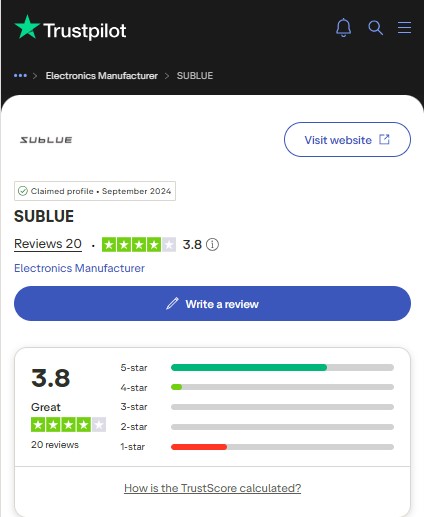
On the official Sublue Trustpilot page, customers frequently highlight the build quality and the responsiveness of customer service. Buyers appreciate how sturdy the polycarbonate body feels, noting that it can handle the occasional bump against rock walls or boat swim ladders without fracturing. Some users did mention that international shipping timelines can vary depending on customs clearance for large lithium batteries, which is a common logistical hurdle for high-capacity battery gear worldwide. Overall, the brand holds a strong reputation among water sports enthusiasts for delivering reliable consumer-grade DPVs (Dive Propulsion Vehicles).
8. Purchase Logistics: Shipping, Warranty, and Payments
Investing in a high-end water scooter is a serious commitment, so you want to ensure the entire purchasing and ownership process is secure and transparent. Before clicking buy, familiarize yourself with Sublue's operational policies:
- Shipping Policy: Because of the high-capacity lithium battery, shipping requires specific hazardous materials classification (Class 9). Sublue manages these shipping logistics directly through specialized carriers to ensure your scooter arrives safely and fully compliant with transit laws. You can review their detailed transit times, regional shipping costs, and customs handling processes on the official Sublue Shipping Policy page.
- Warranty Protection: Sublue provides a comprehensive warranty that covers manufacturing defects. Typically, this covers the main chassis and motor assembly for one year, and the battery pack for six months. It is important to note that the warranty does not cover flooding caused by user error (such as failing to clean the battery door O-ring or leaving the battery compartment unlatched). To understand exactly what is covered and how to file a claim if you ever encounter an issue, read their official Sublue Warranty Policy.
- Secure Payment Methods: To guarantee your transaction is fully protected against fraud, Sublue's online store utilizes industry-standard SSL encryption. They support verified, secure payment processing including major credit cards, Shop Pay, and PayPal. You can view their direct, secure checkout portal and available payment gateways on their official Sublue Secure Checkout Page.
- Customer Support: If you have pre-sales questions, need help troubleshooting a setting on your OLED screen, or need to order replacement parts like a lost float block or a spare charger, you can reach out directly to their service team via the contact channels listed on their official Sublue Contact Information Page.
9. Video Walkthrough and Field Testing
While specifications and manuals provide an excellent technical foundation, nothing replaces seeing a water scooter operate in real water conditions. To get a better sense of how the speed settings perform, how loud the dual motors are under load, and how the OLED screen looks in bright, shallow water, check out this in-depth field test video:
In this video demonstration, you can see how the diver holds the unit, how easily it maneuvers around tight coral formations, and how quick the acceleration is when switching from Free mode to Turbo mode. Pay close attention to the diver's body position: keeping your body perfectly horizontal and tucked in line behind the scooter minimizes drag and helps you get the maximum possible run time out of every battery charge.
10. Comparative Analysis: Navbow+ vs. Competitors
To help you determine if this is the right water scooter for your specific diving style, let's compare it directly to other types of motorized propulsion units on the market.
Single-Propeller Recreational Scooters
These are the lightweight, highly affordable plastic units you often see families using at the beach or pool. While incredibly fun for shallow snorkeling, they generally top out at speeds around 0.8 m/s, have a maximum depth limit of only 15 to 20 feet, and lack the motor power to push against any noticeable ocean current. If you try to use a single-propeller unit on an offshore dive site, you will likely find yourself drift-diving backwards. The Navbow+, by contrast, is a true sea-going vehicle rated to 131 feet (40 meters) with dual motors that can easily tackle coastal currents.
Heavy Technical DPVs (Dive Propulsion Vehicles)
At the other end of the spectrum are the massive, torpedo-style DPVs used by cave explorers and deep wreck divers. These machines are incredibly powerful, often boasting runtimes of 2 to 3 hours and towing capacities for multiple divers. However, they weigh anywhere from 30 to 50 pounds, are incredibly difficult to travel with on commercial flights, and can cost thousands of dollars. The Navbow+ occupies a perfect middle ground. It offers professional-grade speed, thrust, and telemetry, yet weighs only 7.5 pounds (including the battery) and fits comfortably inside a standard travel backpack.
11. Deep-Dive Frequently Asked Questions (FAQ)
Is the Navbow+ suitable for complete beginners, or is it strictly for advanced divers?
It is highly adaptable and perfectly safe for beginners, yet packed with advanced features that experienced divers will appreciate. The simple, intuitive dual-trigger system means anyone can pick it up and use it within two minutes. Beginners can simply keep the scooter locked in "Free" mode to safely practice their buoyancy and navigation. As your diving skills and comfort levels progress, you can unlock Sport and Turbo modes, experiment with one-handed controls, and utilize the advanced telemetry features like the digital compass and depth alarms.
What happens if I release the triggers underwater? Will the scooter float away or sink to the bottom?
The unit is designed with an instant-cutoff safety system. The moment you release either of the triggers, the power cuts to the brushless motors immediately, bringing the scooter to a complete stop. Regarding buoyancy, the unit is designed with the removable float block installed to be slightly positively buoyant in saltwater. This means if you let go of it to adjust your gear, it will slowly drift upward toward the surface rather than sinking down into the deep where it could be lost. If you are diving in freshwater, it behaves closer to neutrally buoyant. Always test the buoyancy in a shallow area at the start of your dive so you know exactly how it will behave if you let go.
Can I use this water scooter for freediving and spearfishing?
Yes, absolutely. Freedivers love this model because the rapid descent and ascent speeds allow them to reach deep thermoclines quickly without burning up valuable oxygen through muscle exertion. This significantly extends their comfortable breath-hold bottom time. For spearfishers, the one-handed operation is a massive advantage, allowing them to hold the scooter in one hand and their speargun in the other, tracking target fish with minimal movement and noise. Just remember to respect local game laws, as some regions restrict the use of motorized propulsion units while actively taking marine life.
How do I calibrate the digital compass underwater?
The digital compass uses a built-in magnetometer. Over time, or when traveling between different geographic locations with varying magnetic fields, you may need to calibrate it. To do this, access the settings menu on the OLED display before your dive. The screen will prompt you to rotate the unit in a slow, continuous figure-eight pattern. This movement allows the internal sensors to map the local magnetic field and self-compensate for any metallic gear you might be wearing, ensuring highly accurate directional tracking during your dive.
What is the best way to store the battery if I don't plan on diving for several months?
Proper long-term battery storage is critical to preventing permanent capacity loss. Never store a lithium-ion battery completely flat (0% charge) or completely full (100% charge) for extended periods. The sweet spot for storage is between 50% and 60% capacity (usually indicated by 3 out of 5 bars on the battery indicator). Store the battery in a cool, dry place away from direct sunlight, ideally at temperatures between 50°F and 70°F (10°C to 21°C). Check the battery level every two to three months and give it a minor top-off if it has self-discharged below 30%.
Are the propeller blades dangerous? Can they cut my fingers or dive gear?
Safety is a major priority in the physical design of this unit. Both propeller enclosures are completely shrouded by heavy-duty, tightly spaced plastic safety grilles. These grilles are engineered to prevent fingers, seaweed, or loose dive gear (like camera lanyards or regulator hoses) from accidentally coming into contact with the spinning blades. However, you should still exercise caution if you have very long hair; always tie your hair back securely before diving with any motorized water scooter to prevent it from getting drawn into the water intakes.

0 Comments